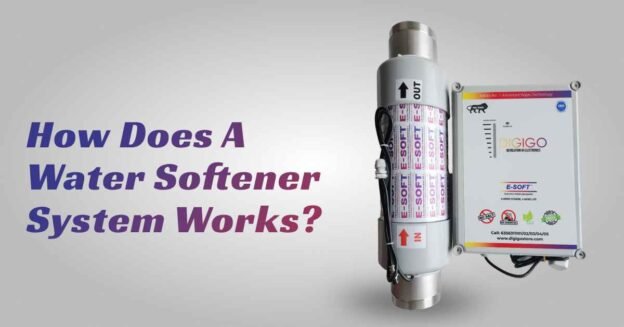
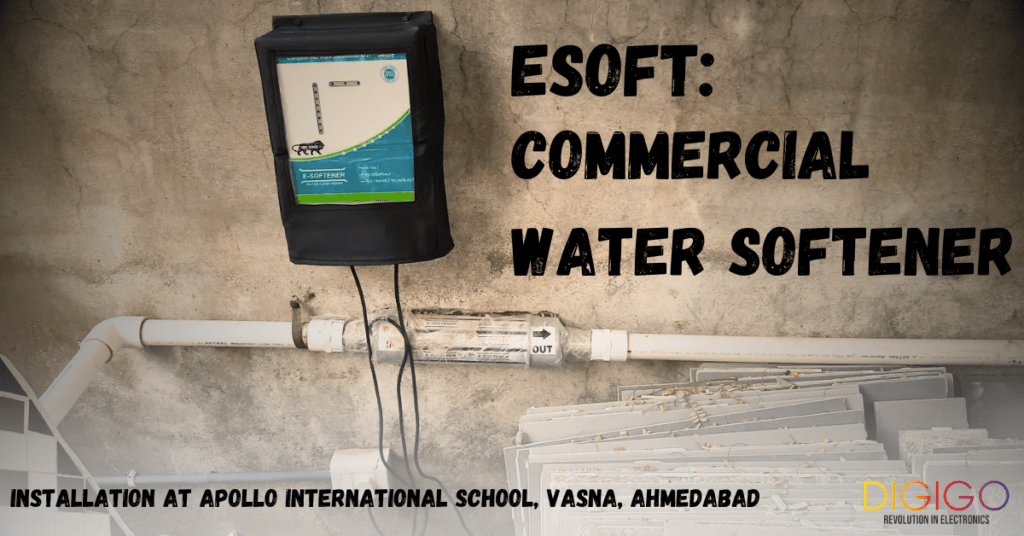
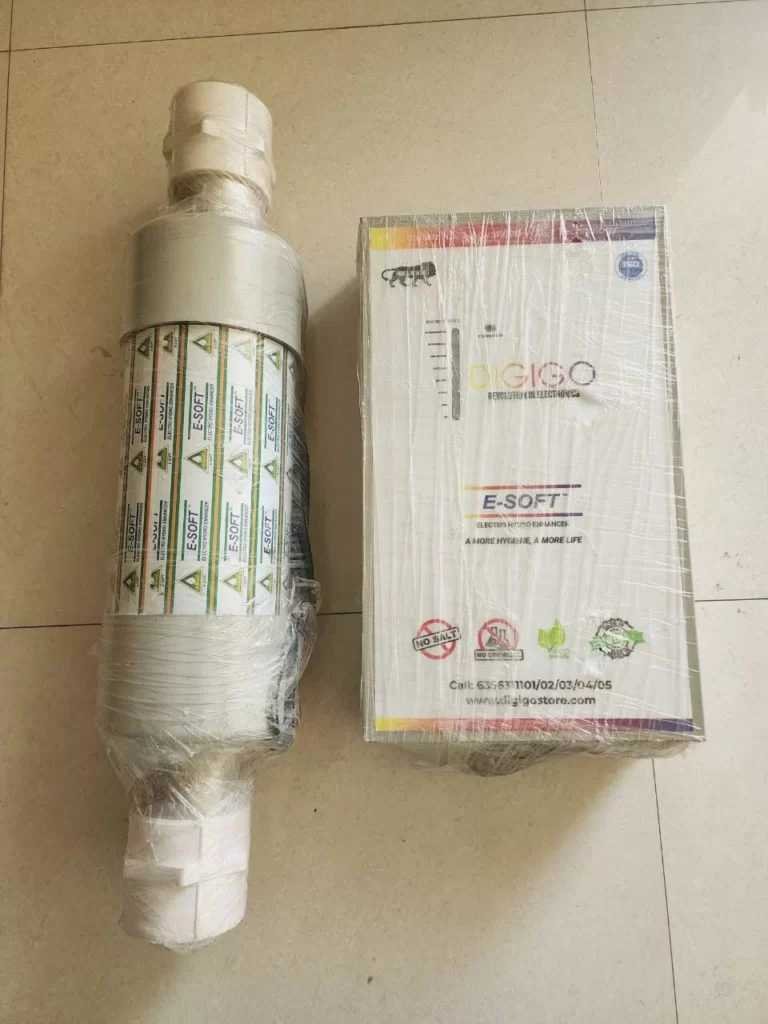
A Water Softener System is a machine that can soften the hard water arriving from different water sources by removing harmful particles like magnesium or ions. It is simply installed in the pipes and from there, it starts the work. The water softener system can easily soften any type of hard water depending on the hardness of the water and the capacity and efficiency of the system.
Commercial projects often have a major usage of water to carry out back-end work or to do business like laundry, cafes, restaurants, beauty parlors, and many more. In these businesses, water is necessary as without water one cannot do the business work. Water is important in cafes or restaurants for cooking purposes, washing utensils, and cleaning processes. In beauty parlors, water is necessary to do the cleaning, waxing, and other work. In laundry, without water, this business cannot be implemented as one cannot wash clothes without water.
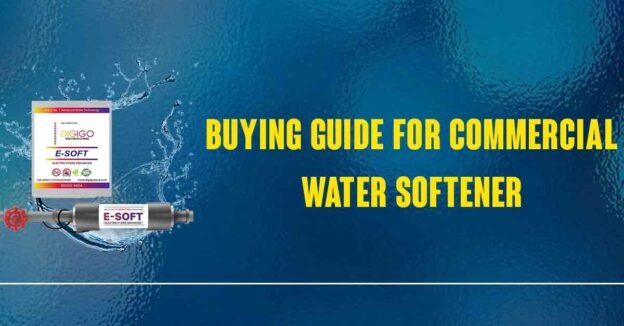
If you are looking to purchase a commercial water softener system then you have come to the perfect page. We will guide you Buying Guide for Commercial Water Softener System regarding things to consider while purchasing a commercial water softener system.
Firstly, the commercial water softener system should be efficient to soften huge loads of water, i.e. the capacity of the water softener system should be high otherwise, it will be unable to soften the water and might break down as well. The water softener system should use salt or chemicals minimally. As the chemicals or salts are harmful if used regularly. The repairing and maintenance costs should be minimal and not regular otherwise, you will be using the money you saved on plumbing costs and the benefits of the water softener system will become irrelevant. The water softener system should soften the water 100% without any traces of hard water particles. A reasonable price is a brownie point for you if you could get a water softener system in your budget.
Overview of various types of commercial water softeners:
Salt-based
Salt-free
Dual-tank
Magnetic
Reverse osmosis systems
Salt-based Water Softener System- A salt-based water softener system is a system that softens the water by removing hard water particles such as calcium or magnesium into resin and exchanging them with salt. Making the water safe and healthy to use.
Salt-free Water Softener System- Salt-free water softeners change the chemical makeup of water. Salt-free systems crystalize the hard minerals in such a way that scales will not form when the water flows through your water pipes. The hard water minerals are still in the water, but they are in a different chemical state.
Dual-tank Water Softener System- Dual-tank water softener system can soften the water for 24 hours. There is no requirement of reserve capacity with its’ extra tank installed. Soft Water is more maintained in all circumstances. Even with less water and less salt, it will still produce a high-efficiency rate. It tends to be very efficient.
Magnetic Water Softener System- The Magnetic Water Softener System is a technology that uses magnets to alter the structure of water without changing its chemistry and removing the particles of hard water. It works by applying a magnetic field to water, which exerts a Lorentz force on ions and increases collisions between ions and hence, provides you the soft water.
Reverse osmosis systems- Reverse osmosis is a membrane treatment process primarily used to separate dissolved solutes from water. Reverse osmosis is most commonly known for its use in drinking water purification, particularly concerning removing salt and other effluent materials from water molecules.
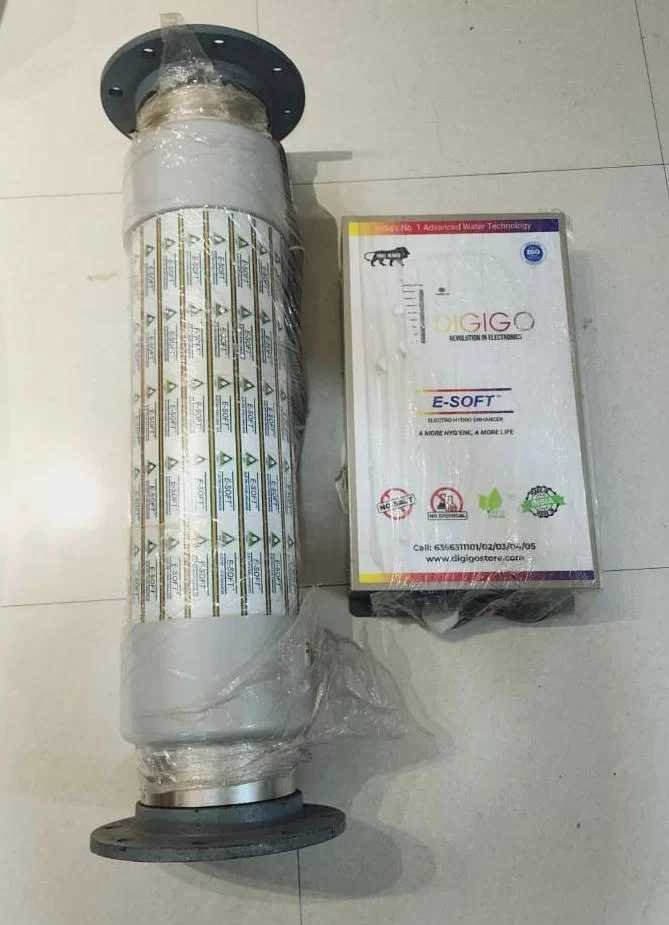
Why should you install Digigo E-Soft as your commercial water softener system? Digigo E-Soft is the world’s first 5th generation water softener system that softens water electronically rather than using harmful chemicals or salts. It is a great system that has a work life of 30 years. No requirement for monthly maintenance, even yearly maintenance is not required. The best thing is that it does not waste any water during the process of water softening like most water softener systems. It is eco-friendly. It is 100% Made In India.
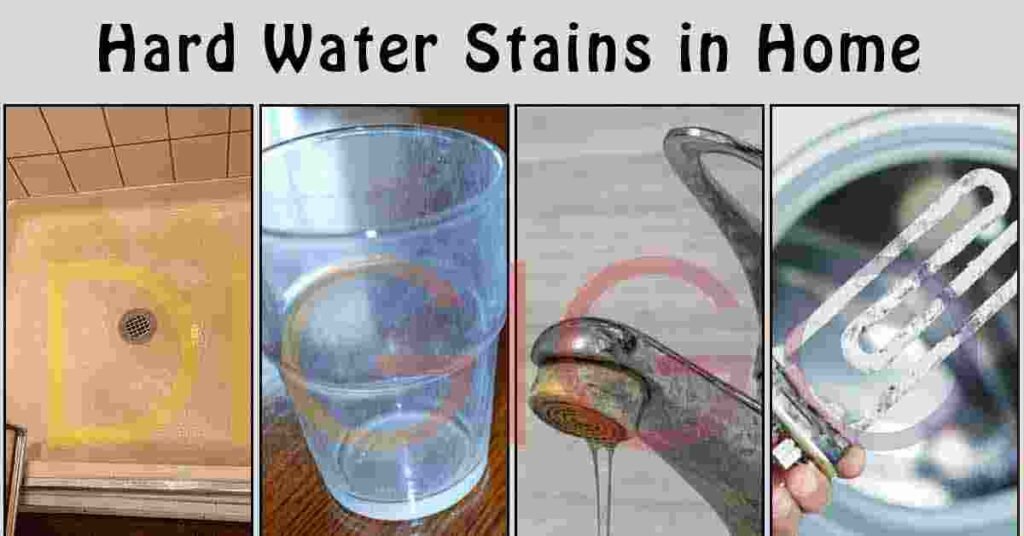
My color, white as cotton, bright as a sun. This was my appearance when I was first constructed but as people kept using me, the color started to fade and it became yellowish. It was not because of the usage but because of the hard water.
Hard water has affected me, my equipment, and my color badly. The hard water has harmful particles such as magnesium and ions which has created a bad scenario for me due to the usage in the long term.
Hard water is the raw form of water flowing through the pipes to the house. Due to its hard nature, it is unsuitable for use and needs to be treated properly to save myself from various problems.
I was well made and was neat and clean but as people kept on using hard water I became the exact opposite. The hard water has developed scales and corrosion on my surfaces.
Algae and other fungi had also been developed. Due to this regular plumbing was needed which made my house budget unstable and time wastage was also experienced. The water didn’t come out from the surface properly and the water was harsh as well.
My pipes were regularly clogged and choked, regular plumbing was a main issue and very problematic not only for me but for the house owners as well. The hard water also helped in the color fading. I was rich as white and then I became pale, sticky, and yellowish. The hard water can fade the colors of the bathroom if used for a long run.
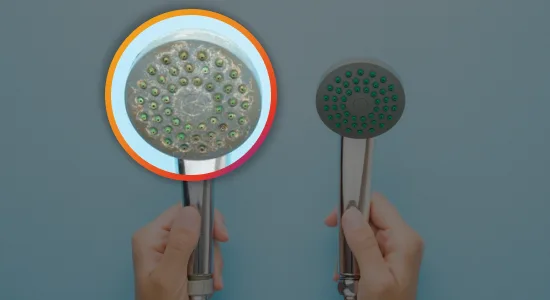
My appliances also became insufficient, the hand shower didn’t have water flowing fully but partially which was a problem during hair wash and the shower was facing the same problem.
Regular changes to the shower were done and the cleaning was done as well still the problem wasn’t solved. The wash basin was choked and the showering experience was getting ruined day by day. It was more ruckus than relaxing.
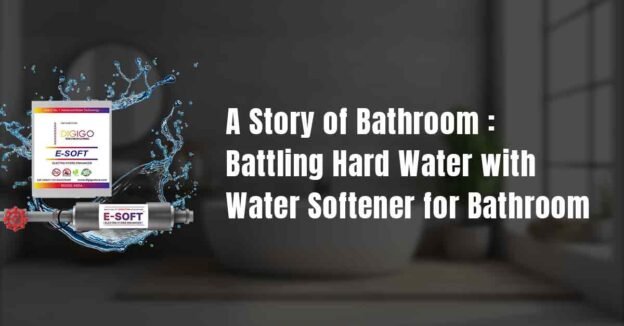
Then a water softener for home installed in my bathroom and then I was just like never before. The hard water problems were cured. The scales and corrosion were cured. The water from Water softener for bathroom was so efficient that the pre-developed scales were removed automatically in no time.
The water started flowing easily from the pipes and at full speed. Whether it was the hand shower, main shower, wash basin, or any other source, the water flow was very efficient. No plumbing was required and a lot of money was saved with this one-time investment.
The yellowish and pale color transformed into white and apart from me, house owners were benefitted also. Their skin became soft and glowy, their hair got nourished and their hair strength also improved.
The water never got stuck in my pipes and there was no money wastage or time usage behind plumbing. This hard water softener for bathroom has turned out to be a gift for me.
The best thing is that I am salt-free and chemical-free as Digigo water softener does not use any chemicals or salts to soften the water, it softens the water electronically.
I became brighter than white, and my equipment was like new after using soft water from water softener for bathroom for a little amount of time. No cloaking, no choking, and no ruckus. The bathroom experience for house owners became better than before and softer too.
100% recommended water softener for bathroom available in the market. This bathroom water softener provide you with a free demo too. So what are you waiting for??? Check our Digigo E-Soft now!!!
A Water Softener System is a machine that is used to Soften the hard water. Hard water is the raw form of water that contains harmful particles like magnesium or ions that will damage your well-being and your appliance if used for a long time. It is advised to soften the hard water as after the softening process the harmful particles will be removed and the water will become suitable for use.
How does the hard water damage you?
Hard water can damage you severely, it will create havoc around you and will disrupt your appliances as well. It will give you problems like skin problems, dry or rough skin as well as allergies. It will result in baldness and rough hair as well. It will also damage your appliances by developing scales and choking the pipes which will increase the plumbing cost.
Hard water also results in corrosion. If you wash the clothes with hard water then, the color will fade and the fabric will suffer poorly. The cleaning is also not done properly with hard water as the hard water is not capable of forming a lather.
What are the pros of soft water?
There are plenty of benefits of a Water Softener System like, it does not allow scales to develop on the surface, it prevents corrosion from happening, and it increases your appliance’s work life by supplying soft water for its use.
The cleaning process is also eased as the soft water is capable of promoting lathers which results in efficient cleaning. The clothes will be washed effectively and the dirt will be removed fully. The quality of the fabric will also be maintained. With soft water, the plumbing cost will be reduced constantly.
You will get bright and a new glow in your skin. Your hair will also be nourished. By watering the plants, you will get greener plants and more fertile soil. The crops will be grown properly and with nourishment. The grown crops will be rich in vitamins and nutrients.
How does a water softener system work?
The Water Softener System is priory installed in the pipes or the water source. Then it directly converts the hard water coming from from there and provides soft water to the taps.
The hard water particles are removed to the different side and then the soft water is supplied. You just need to add salt or chemicals in the system (Depends on the water softener system you opt for).
Why should you opt for Digigo E-Soft?
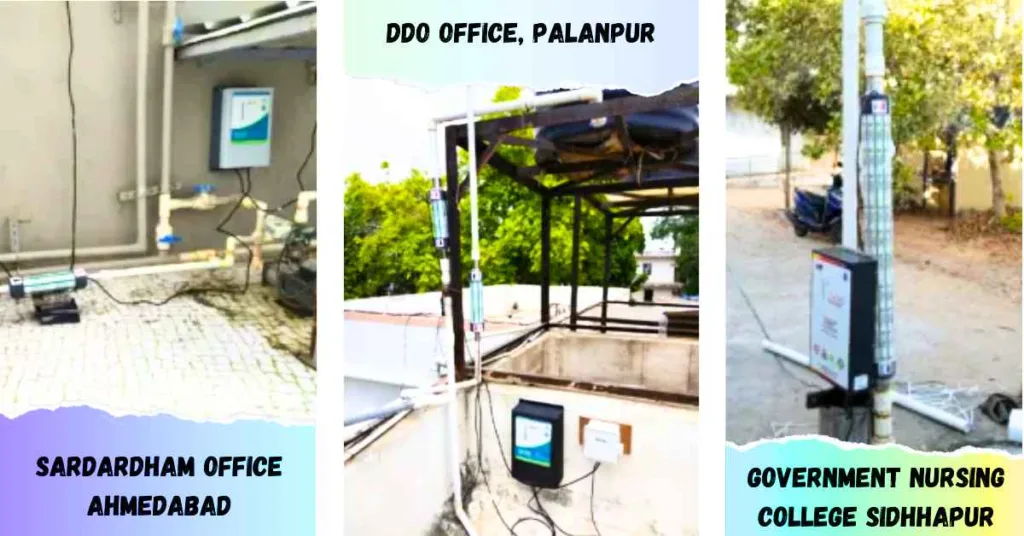
Digigo E-Soft is the best water softener system available in the market. Don’t believe us ask our clients and organizations we are tied up with. E-Soft does not use any chemicals or salts to soften the water, it softens the water electronically. Moreover, you will get a work-life of 30 years with a 1-month warranty. No regular maintenance is required not even monthly maintenance.
The soft water from E-Soft is so efficient that it will remove the existing scales from the surfaces and it does not waste even a single droplet of water during the process of water softening. It does not leave any prints or particles of hard water. The best thing is that it is 100% Made In India.
Hello people! We know how frustrating it can be to deal with hard water in your home. It’s not just annoying – it can actually cost you a lot of money over time. That’s why we the leaders of the water softening industry are always researching ways to help you save money and stay safe. We’ve put together our research results to show you how a Hard Water Softener For Home can protect your wallet and improve your quality of life.
Know the Hidden Costs of Hard Water
You might not realize it, but hard water is draining your wallets day by day:
Energy Bills:
Hard water creates scale buildup in your water heater, geysers, washing machines and dishwashers making them work harder and use more energy. This means higher electricity or gas bills for you.
Appliances:
That same scale buildup can shorten the lifespan of your geysers, dishwasher, washing machine, and other water-using appliances. You might find yourself replacing these expensive items much sooner than you should.
Pipes and Fixtures:
Over time, hard water can clog your pipes and damage fixtures, leading to costly repairs or replacements.
Laundry:
Hard water makes it harder for soap to lather, so you end up using more detergent. Your clothes might also wear out faster due to mineral buildup in the fabric.
Cleaning Agents:
You will likely use more soap, shampoo, and cleaning products to combat the effects of hard water, which adds up over time. The yellow spots of water, stains on taps, and the algae bacteria in toilets and bathrooms make it more clumsy and unhygienic. Eventually, you need more toilet cleaners and acids to maintain the cleanliness of toilets and bathrooms.
Investing in a Hard Water Softener for Home
Now, we know what you’re thinking – “A water softener sounds expensive!” But hear us out. While there is an upfront cost, a good water softening system can save you money in the long run. Here’s how to choose the best hard water softener for home needs:
Consider your home’s flow rate to ensure you get a system that can keep up with your water usage.
Look at the capacity and how often it needs to regenerate. This affects both efficiency and convenience.
Decide between salt-based and salt-free options. Each has its pros and cons, which we’ll dive into next.
Finding an Affordable Water Softener for House Without Compromising Quality
We understand that budget is a big concern. Here are some tips to help you find a cost-effective solution:
Compare both upfront costs and long-term operational expenses when shopping for water softeners.
Consider DIY installation if you’re handy, but be aware of potential pitfalls. Sometimes, professional installation can save you headaches down the line.
Look into rental options. These can be budget-friendly in the short term, but owning often makes more financial sense if you plan to stay in your home long-term.
The Future of Soft Water: Electronic Water Softeners
We’re really excited about electronic water softeners. These innovative devices work by sending out electronic pulses to break down the structure of hard water minerals, preventing them from sticking to surfaces. Here’s why we think they’re worth considering:
They’re chemical-free, which is great for the environment.
They’re incredibly energy-efficient, using about as much power as a small LED bulb.
There are no moving parts, which means less maintenance and a longer lifespan.
While the upfront cost can be higher, electronic water softeners often pay for themselves through energy savings and reduced maintenance needs. Plus, you never have to buy salt!
Additional Benefits of Hard Water Softeners
A water softener for home doesn’t just save you money – it can improve your daily life in several ways:
Softer Skin and Hair: Say goodbye to dry, itchy skin and hello to silky smooth hair. You might even be able to cut back on bathing soaps, moisturizers, shampoo and conditioners.
Cleaner Clothes: Soft water helps your detergent work better, keeping your clothes cleaner and brighter for longer. This means you save big on detergent expenses and won’t need to replace your wardrobe as often.
Spotless Dishes and Fixtures: No more water spots on your glasses or crusty buildup on your faucets. You’ll spend less time cleaning and less money on harsh cleaning products.
Making the Smart Choice for Your Home and Wallet
We hope this guide has shown you how a hard water softener for home can be a smart investment for your home. Whether you choose a traditional salt-based system, a salt-free conditioner, or an innovative electronic water softener, the benefits are clear: lower bills, longer-lasting appliances, and a more comfortable home.
Remember, the best hard water softener for you depends on your specific needs and water conditions. We’re always here to help you find the perfect solution for your home. After all, your comfort and savings are our top priorities!
So why wait? Start your journey to softer water today and watch those savings add up. Your wallet (and your skin, hair, clothes, and appliances) will thank you!
In many Indian homes, especially where borewell water is the main source, this is not a rare situation. It’s happening in the background every single day.
That’s why choosing a water treatment system is not just about water quality. It’s about understanding how your home’s entire water system behaves and how to keep it working efficiently over time.
What is a Water Softener?
Before choosing anything, it helps to understand what you are actually trying to control.
Hard water mainly contains calcium and magnesium. These minerals enter your home through groundwater and travel across every pipeline, appliance, and outlet.
The problem is not their presence. It is their harmful behavior.
When water is heated or pressure changes inside pipes, these minerals start settling on surfaces. Over time, this becomes scale.
A home water softener is designed to change this behavior.
Different systems approach this differently:
Some remove minerals from water
Others change how these minerals act inside the system
Traditional systems use ion exchange. They replace hardness-causing minerals with sodium and require salt-based regeneration.
Modern electronic systems, often used as a water softener for residential homes, work by altering mineral crystallization. Instead of sticking to surfaces, minerals stay inactive in water and pass through the system.
This distinction is important because the goal is not always removal. In many homes, it is about preventing buildup.
Why Do You Need a Water Softener?
Most homeowners don’t think about water quality until something starts going wrong. But hard water rarely shows up as a sudden failure. It appears as small, repeated inefficiencies.
You might notice:
The geyser taking longer to heat
White stains returning even after cleaning
Soap not lathering properly
Appliances needing servicing more often
All of the above mentioned problems are connected to one root, which is hard water.
● Inside the plumbing system
Mineral deposits begin narrowing pipelines. Flow continues, but pressure and distribution start changing. Over time, this affects how water reaches different parts of the house.
● Inside appliances
Heating elements in geysers and washing machines get coated with scale. This layer reduces heat transfer, forcing the system to consume more energy.
● In daily usage
More detergent is used. More rinsing is required. Cleaning becomes repetitive instead of effective.
● On surfaces
Tiles, taps, and glass panels start holding stains that regular cleaning cannot fully remove.
● On your Skin and hair
Hard water leaves behind a mineral residue that prevents proper rinsing of soap and shampoo. This can lead to an itchy scalp, increased hair fall, and even skin irritation or infections over time. In many cases, it’s not the products but the water itself affecting skin and hair health.
This is why installing a hard water softener for home is less about convenience and more about preventing long-term issues.
Step-by-Step Guide on How to Choose the Best Water Softener For Your Home
Choosing the right system is not about picking a product. It is about understanding how water moves through your home.
Step 1: Start With Your Water Source
Everything begins here.
If your home depends on borewell water, hardness levels are usually higher due to mineral-rich underground formations.
Municipal water may vary. Tanker water is often inconsistent.
Knowing your source gives you a baseline. It tells you how aggressive the scaling tendency might be.
Step 2: Look at How Your Home Uses Water
Every household has a different usage pattern.
Think in terms of:
Number of bathrooms
Kitchen and washing load
Simultaneous usage points
External usage like gardening
Many people look for the best water softener for home based only on size or capacity.
But in reality, flow behavior matters more than volume. A system should align with how water moves, not just how much is used.
Step 3: Understand the Type of System
This is where clarity becomes important. Different systems handle hard water differently, and the long-term impact depends on how they interact with your plumbing and usage patterns.
There are four commonly seen approaches in residential setups:
1) Salt-Based Systems
These systems remove hardness minerals by replacing calcium and magnesium with sodium.
They operate in cycles and require:
Regular salt refilling
Regeneration cycles
Water discharge during cleaning
They are widely used where hardness removal is the primary goal, but they come with ongoing maintenance and water usage.
2) Resin-Based Systems
This is the core mechanism used in salt-based setups. Resin beads capture hardness minerals during water flow and release sodium in exchange. Over time, the resin gets saturated and needs regeneration. This means:
System performance depends on timely regeneration
Efficiency reduces if maintenance is irregular
Long-term operation involves recurring inputs
3) Magnetic Systems
These systems use magnetic fields applied externally to pipelines to influence mineral behavior.
They:
Do not remove minerals
Attempt to reduce scale formation
Require minimal installation effort
Their performance can vary depending on water composition, pipe material, and flow conditions.
4) Electronic Systems
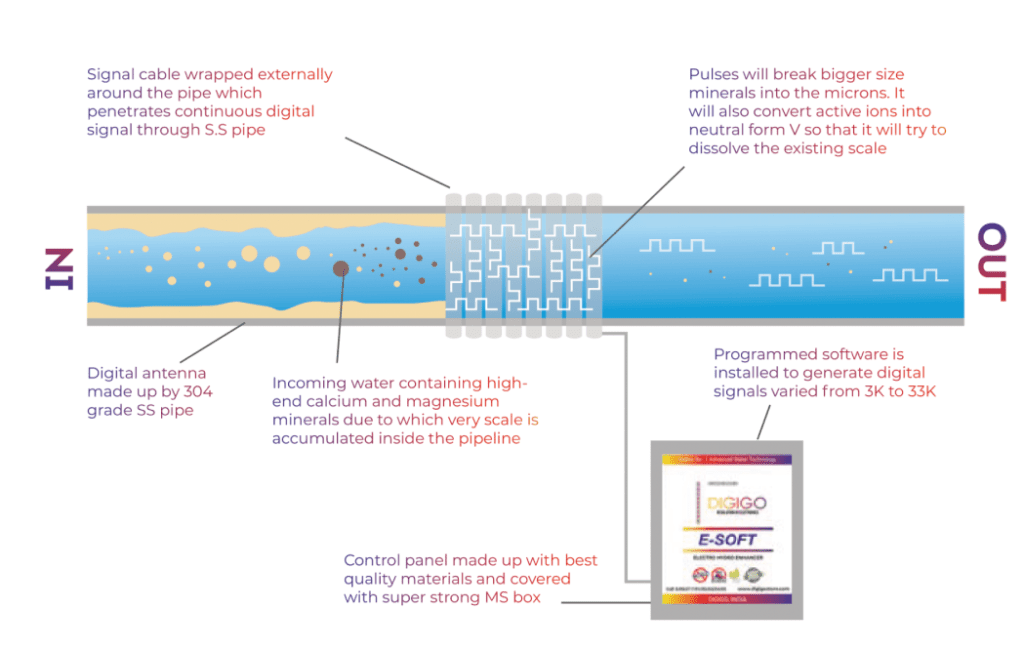
These systems work on breaking down the minerals into micron size and changing the mineral behavior within the flow using controlled electronic signals.
They:
Do not remove calcium and magnesium
Break down larger mineral structures into smaller particles
Reduce their tendency to stick and form scale
Work without salt, chemicals, or regeneration cycles
In many residential environments where continuous water usage, limited maintenance access, and borewell dependency are common, systems that manage scale without adding operational load tend to integrate more smoothly into daily use.
If your focus is reducing scale formation, lowering maintenance, and maintaining system efficiency over time, electronic systems often align better with residential infrastructure realities.
Step 4: Check Installation Practicality
Many decisions fail at this stage. Ask simple questions:
Where does water enter your home
Is there space for installation?
Can the system integrate without major plumbing changes?
In existing homes, retrofitting should be simple. Systems that connect directly to pipelines without structural changes are easier to implement and maintain.
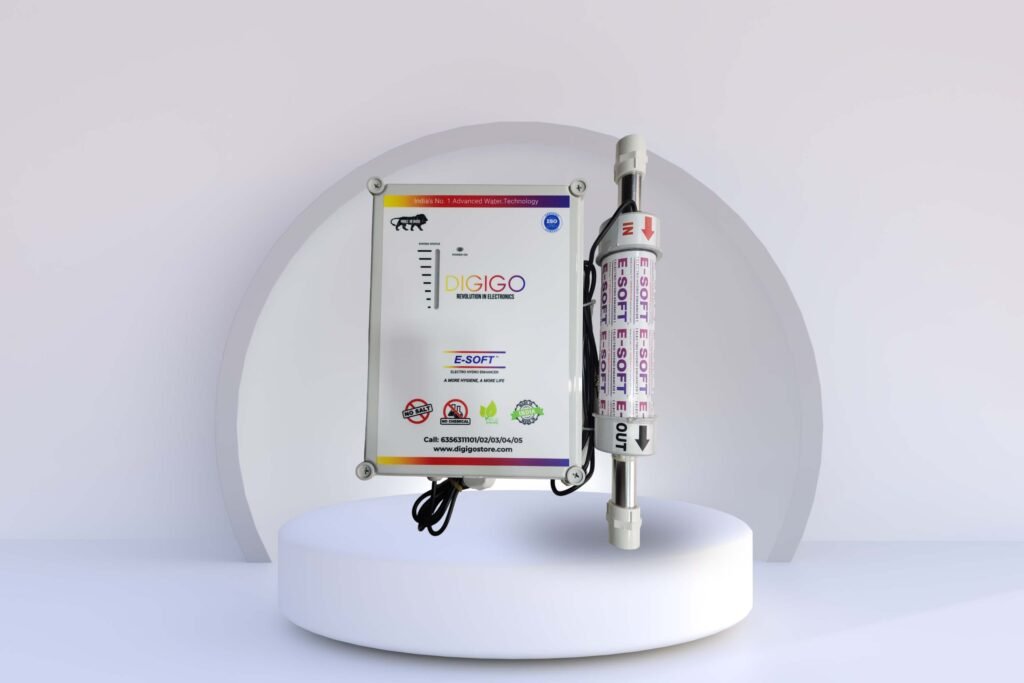
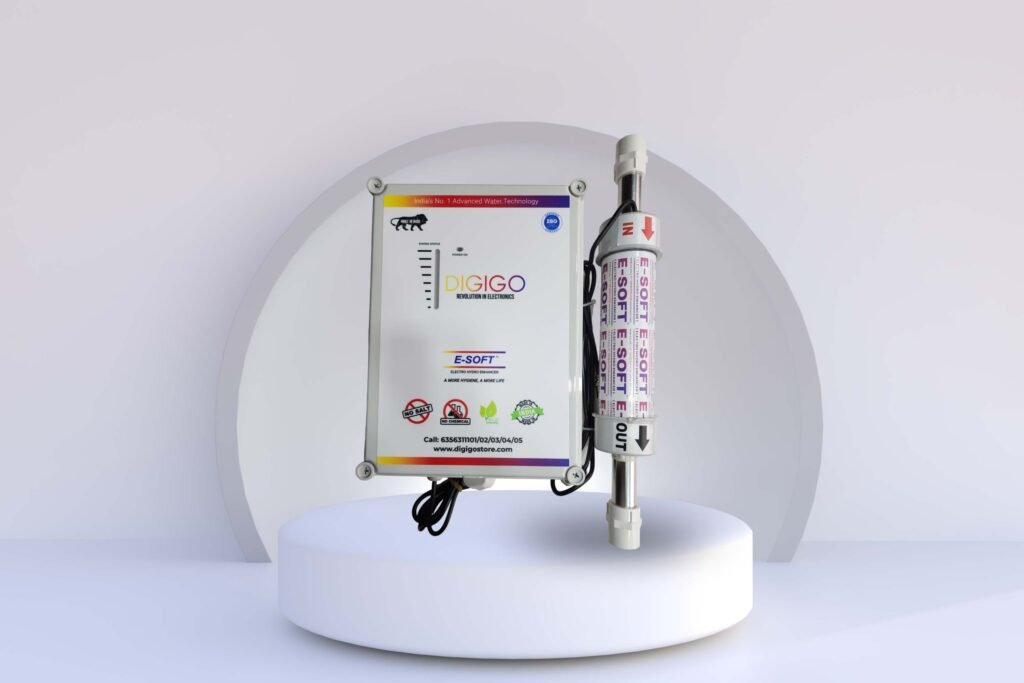
In many residential setups, especially where plumbing access is limited or already built, solutions like DIGIGO E-Soft water softener for homes are preferred because they can be installed directly on the main water line without breaking walls or altering the pipeline layout. This allows the system to start working across the house without disrupting daily usage.
Step 5: Think About Maintenance, Not Just Purchase
Every system works well on day one. The difference appears over time.
Consider:
Does it need regular manual intervention?
Are there consumables involved?
Will you need frequent servicing?
A system that performs consistently with minimal attention often proves more practical in the long run.
Step 6: Focus on System-Level Impact
This is where most buyers miss the bigger picture. Instead of asking “Will this improve water quality?”, ask:
Will this reduce scale inside my geyser?
Will my appliances run more efficiently?
Will cleaning frequency reduce?
Will pipeline performance remain stable?
The best Water softener for house use is the one that improves how your entire system behaves, not just how water feels at one outlet.
Step 7: Align With Real Indian Conditions
Water systems in Indian homes do not operate under ideal conditions.
Borewell usage is increasing
Water supply is not always consistent
Power conditions vary
Maintenance access is limited
The solution you choose should adapt to these realities.
Systems like E-SOFT Water Softener for Homes are often considered in such environments because they work within existing plumbing setups and focus on reducing scale without adding operational complexity.
What is Hard Water?
Hard water is a common problem in households as a majority of houses are supplied with hard water. Hard water is raw water that contains impure substances like magnesium and ions that are harmful for you to use in the long run. These impure substances will result in various skin problems, and hair problems as well and they will reduce the work life of appliances by developing scales on corrosion on the surfaces.
Moreover, your hair can become harsh and there is a severe chance of going bald. Hard water causes several skin problems, it will make your skin dry as well. Many people become allergic to hard water if used for the long term. Plumbing costs also increase as hard water causes cloaking and choking in the pipes.
Why Water Softener is Important?
It is important to install a Water Softener System in your homes to save yourself from hard water as a water softener system is reliable in removing harmful substances like magnesium and ions. It can easily make the hard water soft and sufficient enough for use.
Moreover, water softener systems are like a one-time investment that will provide you with several benefits in the long run. It will help you increase your appliance’s work life by providing the proper water type that will maintain them, will not allow scales to develop, and prevent corrosion as well. Soft water will also nourish your hair and make your skin glow and soft as well.
The evolution of the water softener systems started during the 18th and 19th centuries. Scottish Engineer Thomas Clark was recognized for the discovery of lime’s ability to soften the water in 1748. After that many companies launched their water softener system in the market the soften the hard water available, and new generations of water softeners were introduced.
The hard water has gotten its hard nature from the particles like magnesium and calcium. To soften the water these particles are needed to be removed. To check if the water in your house is hard or not, add a little soap to it and if the water turns out to be soapy it’ll be soft water, and if not then it will be hard water. It is so because soap is easily mixed with soft water.
There are various types of water softener systems available in the market. The Types of water softeners available in 2025 are as mentioned below:-
Types of Water Softeners for Houses Available in 2025
Salt-based ion exchange systems
Salt-free water conditioners
Dual-tank water softeners
Magnetic water softeners
Reverse osmosis systems
Salt-Based Ion Exchange System
A salt-based water softener typically works by drawing heavy minerals in the water, like calcium and magnesium, into a resin within the softener and exchanging them for sodium (salt).
Salt-Free Water Conditioners
A salt-free water conditioner is a water treatment system that crystallizes magnesium and calcium minerals prevalent in hard water. These micro-crystals are unable to attach to pipes and water heaters in the form of scale. Water conditioners do not remove hardness minerals.
Dual-Tank Water Softeners
Dual-tank water softener systems have 2 tanks in them. They have 2 resins present in them rather than 1 resin that helps them provide a continuous flow of soft water, without stopping the supply of soft water. This ensures that you have a continuous supply of water, even during regeneration.
Magnetic Water Softener Systems
Magnetic water treatment (also known as anti-scale magnetic treatment or AMT) is a method of supposedly reducing the effects of hard water by passing it through a magnetic field as a non-chemical alternative to water softening. Magnetic water treatment is regarded as unproven and unscientific.
Reverse Osmosis Systems
An RO system can soften water. However, constantly filtering hard water wears out the water purifier more quickly. Using an RO water system wastes a lot of water, so getting a water softener is a more economical solution if tackling water hardness is your top priority.
Top 5 Best Water Softener for Houses in India in 2025
Digigo E-Soft 5th Generation Water Softener
Digigo E-Soft is the number 1 Water Softener for Home in the market. It is the World’s first 5th generation Water Softener System. It converts water electronically rather than using any chemicals or salts. Moreover, it does not waste any water in the process of softening the water, unlike other water softener systems.
It gives you a work life of 30 years and it does not require any regular maintenance, even monthly or yearly maintenance. It softens water fully without any trace of hard water. It is eco-friendly and the best part is that it is 100% Made In India. It is the best hard water softener for home in 2025.
KENT Water Softener
KENT is constantly innovating and providing solutions to protect people from harmful diseases. Driven by the purpose of offering good health to one and all, KENT is, without a doubt, the best guardian of your family’s health and lets you drink pure, breathe pure, eat pure & live pure. KENT is a very recognized brand in Water Softener Systems. With several benefits and features, KENT is constantly working to establish itself better in the market.
3M Water Softeners
3M™ Fully Automatic Water Softener is available in two series namely SFT & WTS. It uses ion exchange technology for treating and softening hard water. It comes with a programmable multi-port valve thereby avoiding any manual intervention for its daily operation. Regeneration time can be set once and then the regeneration happens automatically while you are asleep.
ZeroB Water Softener
ZeroB offers advanced and uniquely designed water softeners for homes that convert hard water into soft water. Our water softeners use non-electric automatic regeneration technology along with an ion exchange process that helps you get rid of that manual and time-consuming regeneration process.
Tata Swach Water Softener
Tata Swach Automatic Water Softener has been granted a place in the top 5 water softener systems in 2025. It has many pros such as no boiling required, zero water wastage, and chemical usage.
We would recommend you go for Digigo E-Soft, with various benefits it is budget-friendly as well. The service is also good and they respond pretty well. So what do you want more? Check out Digigo E-Soft NOW!!!
Closing Thoughts
Hard water is not a visible problem in the beginning. It builds slowly inside pipelines, appliances, and systems until performance starts dropping.
By the time it becomes noticeable, the impact is already spread across multiple parts of the home.
Choosing a water softener for residential use is not about reacting to damage. It is about preventing it.
When mineral behavior is managed early:
Appliances last longer
Energy usage stays controlled
Maintenance reduces
Systems remain stable
The decision is not about choosing a device. It is about choosing how your home’s water system will behave over time.
FAQs
1. How can I identify hard water in my home?
Look for signs like white scaling on taps, reduced soap lather, frequent appliance issues, stains on bathroom surfaces, sticky skin even after bath, and heavy hairfall. Borewell-dependent homes are more likely to experience this.
2. What makes a residential water softener effective?
Effectiveness depends on how well the system manages mineral behavior, integrates with plumbing, and reduces long-term scaling without increasing maintenance burden.
3. Is removing minerals always necessary?
Not always. In many cases, preventing minerals from forming deposits is enough to protect plumbing and appliances.
4. Does a water softener affect water pressure?
A well-installed system should not negatively impact pressure. In fact, reducing scale buildup can help maintain consistent flow over time.
5. How do I choose the right system for my home?
Focus on your water source, usage pattern, maintenance needs, and installation feasibility. Also consider long-term factors like system durability, recurring costs, and impact on appliance life. The right system should reduce maintenance effort and support long-term efficiency, not just meet short-term requirements.
The laundry business is a responsible work as people trust you with their precious clothes and one slight mistake can ruin their clothes, and hence they can get disappointed easily. Which results in damage to your business and your reputation in the market. Your goodwill is also decreased if anything Happens to their clothes. Hard Water helps in damaging the clothes due to its harmful and hard Particles.
How does Hard Water damage your clothes?
Hard Water contains particles that are Hard in nature and can easily damage your clothes making them rough. Moreover, Hard Water includes particles such as Magnesium and ions which will degrade the quality of the clothes, making it poor in terms of quality. Moreover, Hard Water weakens the clothes making it easy to tear if used for a long time.
The brightness of the clothes are also reduced, making it dull and less appealing. The White clothes are seen yellowish in many cases, if frequently used for a longer time. Similarly, all the colors of the clothes tends to fade easily even if they are new, making them look old and rough.
How does Hard Water increase your cost?
Hard Water has many negative impacts but one of the primary negative impacts is that Hard Water makes you incur a lot of expenses and it’s impossible to avoid these expenses as they are interlinked to your business.
Hard Water helps in the corrosion of your pipes, it develops scales on your pipes resulting in reduced lifespan of your Pipes. Moreover, Hard Water requires more soap to form lather and many times Hard Water is not able to remove the dirt from the clothes efficiently. Soap is often left on the Clothes if washed with Hard Water. Hence, more amount of Water a well as efforts are required to wash clothes with Hard Water.
How Soft Water can help you?
Soft Water is Soft in nature and hence, its Soft nature helps to keep the clothes like new ones. The Soft Water keeps the cloth’s fabric Soft and Strong, making it long lasting. It doesn’t make the clothes color fade, the bright colors remain bright. There is absence of Yellowish color on White Clothes after washing. Soft Water removes the harmful particles like magnesium and ions so that your clothes can experience gentle wash.
How can Soft Water save your money?
Soft Water is not only beneficial for a client’s clothes but also brings many monetary benefits to the table. With Soft Water you can save lots of money. Soft Water doesn’t require much water to wash clothes and it is able to remove dirt easily. No amount of soap is left out on clothes during the procedure of Washing. Moreover, your plumbing cost will be saved as with Soft Water no scales on the pipes will be developed, no corrosion and no reduction in pipe’s lifespan. This way you can save your pipes and client’s clothes too.
The washing machine also gets damaged when Hard Water is used in washing the clothes. Whereas, in Soft Water the washing machine is not damaged and the lifespan of the machine is increased due to Soft Water.
Why should you choose Digigo Water Softener?
Digigo E-Soft is the World’s First 5th Generation Water Softener System. E-Soft tends to soften Water electronically rather than using amounts of chemicals or Salt. That means no additional chemicals will be dissolved in the client’s clothes which is quite beneficial for clothe’s life and strength. Moreover, Water is 100% Softened without any droplet of Hard Water left if Digigo E-Soft is installed.
Digigo is eco-friendly too as in the process of Water Softening not a single droplet of Water goes wasted unlike the wastage of Water done by most Water Softeners. Moreover, Digigo E-Soft promises a lifespan of more than 30 years.
So what are you waiting for? Install Digigo E-Soft and grow your laundry business to several folds.
As a nation with a vast agricultural landscape, India takes immense pride in its thriving pastoral industries. From dairy farming to poultry rearing and livestock breeding, these sectors play a crucial role in our rural economy and food security. However, an often-overlooked issue that hinders their productivity is the prevalence of hard water.
What is Hard Water?
Hard water is characterized by high levels of dissolved minerals, primarily calcium and magnesium. These minerals can create chaos in pastoral operations, compromising animal well-being and overall yield.
Impact on Animal Health
The adage “you are what you eat (and drink)” holds true for our four-legged friends as well. Hard water can have severe implications for animal health, affecting various aspects of their lives.
Digestive Distress:
Livestock, being sensitive to water hardness fluctuations, can suffer from digestive issues like constipation, diarrhea, and nutrient absorption problems when consuming hard water regularly.
Reproductive Woes:
Excessive mineral content can disrupt the reproductive cycle in animals, leading to reduced fertility, delayed estrus cycles, and difficulties in maintaining pregnancy – a significant concern for breeders.
Urinary Troubles:
The formation of urinary calculi or bladder stones is more prevalent in animals exposed to hard water. These obstructions can cause excruciating pain, infections, and potential blockages in the urinary tract.
Dental Damages:
Prolonged hard water consumption can lead to mineral deposits on animals’ teeth, resulting in tooth decay, gum disease, and other dental problems that affect their overall health and productivity.
Skin and Coat Issues:
Hard water can strip away the natural oils from an animal’s skin and coat, leaving them dry, itchy, and susceptible to infections. A dull, lacklustre coat is often a telltale sign of hard water exposure.
Compromised Performance:
Perhaps the most significant impact of hard water is on animal productivity. Livestock raised with hard water may experience stunted growth, lower milk yield in dairy cows, and reduced egg production in poultry.
Challenges in Pastoral Operations
Beyond animal health, hard water poses several operational challenges for pastoral industries, affecting efficiency and profitability.
Equipment Corrosion:
The high mineral content in hard water can lead to scale buildup and corrosion in water pipes, drinking troughs, and milking equipment, necessitating frequent repairs and replacements.
Cleaning Difficulties:
Effective cleaning and sanitation are crucial in pastoral operations. However, hard water can impede the performance of cleaning agents, leaving behind stubborn residues and mineral deposits on surfaces.
Water Heating Inefficiencies:
Hard water can significantly reduce the efficiency of water heaters used for cleaning purposes or maintaining optimal temperatures in animal housing, leading to higher energy costs and maintenance expenses.
Water Softening Solution for Pastoral Industry
Fortunately, there is a simple and effective solution to combat the challenges posed by hard water – installing a reliable water softening system like E-Soft.
E-Soft’s German water softening technology works by neutralizing the excess minerals from the water through an electrical pulse process, transforming hard water into soft, mineral-free water throughout your pastoral operations.
By incorporating an E-Soft water softener, you can unlock numerous benefits for your animals and business:
Improved Animal Health: E-Soft water softener ensures proper nutrient absorption, reduces the risk of urinary and digestive issues, and promotes healthier skin and coat in animals.
Enhanced Productivity: With soft water, livestock can thrive, leading to increased milk yield, better egg production, and improved growth rates – translating into higher profitability.
Extended Equipment Life: By eliminating scale buildup and mineral deposits, the E-Soft water softening system helps prolong the lifespan of water pipes, troughs, and milking equipment, reducing maintenance costs.
Efficient Cleaning: E-Soft Water Softener enhances the performance of cleaning agents, ensuring thorough sanitation and maintaining hygienic conditions crucial for pastoral operations.
Energy Savings: Water heaters and heating systems operate more efficiently with soft water, resulting in lower energy bills and reduced environmental impact.
Investing in an E-Soft water softening system is a smart choice for pastoral industry professionals who prioritize animal welfare, operational efficiency, and long-term sustainability. By addressing the hard water challenge, you can unlock the full potential of your pastoral operations and contribute to the growth of India’s vibrant agricultural sector.
Don’t let hard water hold your pastoral business back. Have the power of soft water with E-Soft water softening technology and witness a transformative change in your animals’ health, productivity, and overall profitability.
If you’re in the hospitality business, whether running hotels, restaurants or banquet halls, you know that the key to success is delivering an extraordinary experience to your guests. From mouth-watering cuisine to luxurious amenities and service, every detail matters in creating an ambience that keeps visitors coming back for more.
However, there’s one often overlooked factor that can make or break this experience – the quality of water used in your establishment and having a proper commercial water softener system in place. Yes, you read that right! That humble liquid we so easily take for granted can significantly impact the comfort, health and overall satisfaction of your valued guests.
The Effect of Hard Water in Hospitality Businesses
Don’t believe us? Let’s dive into the potential pitfalls of neglecting proper water treatment in your hospitality business:
Cleanliness Compromised: Hard water, laden with mineral deposits, can leave unsightly stains, soap scum and grimy residues on bathroom surfaces, dishware, glassware and laundry. Not quite the sparkling clean image you want to project!
Guest Dissatisfaction: Imagine your guests taking a shower only to emerge with dull, limp hair and itchy skin thanks to hard water. Or running a relaxing bath but the water looks and feels anything but inviting. Talk about an unpleasant surprise after a long travel day!
Equipment Malfunction: Those high-end appliances like washing machines, geysers, dishwashers and coffee makers you invested in? Hard water can be damaged by building up scales inside, leading to frequent breakdowns, costly repairs and premature replacements.
Food Quality Affected: From imparting an off-taste to beverages like tea/coffee to making it harder to cook lentils and clean utensils, poor water quality can seriously undermine your culinary team’s efforts to dish out delectable meals.
The Refreshing Solution: E-Soft Commercial Water Softener
Skimping on water treatment is a surefire way to tarnish your hospitality brand’s reputation. But don’t freak out! There’s a simple yet highly effective solution that can help you regain control over this vital operational aspect – E-Soft’s premium commercial water softening systems.
Established as India’s #1 water softeners brand, E-Soft employs cutting-edge technology to remove hardness-causing calcium and magnesium minerals from your water supply through an electronic pulse process. By consistently providing soft, mineral-free water across your premises, E-Soft enables you to:
E-Soft Commercial Water Softener‘s Benefits to Hospitality Businesses
Uphold Hygiene Standards: Say goodbye to water stains, scale buildup and residues. Soft water ensures sparklingly clean surfaces, crisp linens and spotless dishes/glassware – everything your guests expect from an upscale hospitality experience.
Enhance Guest Comfort: With soft water, your guests can indulge in luxuriously refreshing showers that leave hair smooth and skin supple. No more dryness, irritation or that sticky after-feel!
Optimize Operations: By preventing mineral scaling, soft water helps prolong the lifespan of costly equipment like boilers, dishwashers, geysers and laundry machines. This translates into lower downtime, fewer repairs and significant cost savings.
Elevate Culinary Delights: From improving beverage taste to ensuring vegetables cook quickly and dishes/utensils come out squeaky clean, soft water is the chef’s best friend in the kitchen.
Eco-Friendly & Cost-Effective: Unlike conventional water softeners using salts, E-Soft’s commercial water softener systems employ an eco-friendly technology that’s gentle on the environment without any waste of water while delivering long-term cost efficiency.
At DIGIGO, we understand that in the hospitality world, the smallest details can create the biggest impressions. That’s why India’s most prestigious hotel chains, fine-dining restaurants and luxurious banquet halls trust our premium commercial water softening solutions to provide that essential yet often overlooked factor – high-quality, soft water.
So why settle for anything less than the best when it comes to water treatment? Invest in an E-Soft commercial water softener today and let your hospitality brand shine, one refreshingly soft water droplet at a time! After all, genuinely satisfied guests are the greatest reward in this industry.
For softening the water Digigo doesn’t use any chemical or salt. This means Digigo water softeners is free from harmful chemicals that could act as a slow poison in the long run as well as salt that could result in severe health problems. In Salt softener which uses salt to make Soft Water there are a lot of residues left but in E-Soft no residue is left. Salt Softeners uses sodium that is left making residue and making it toxic. Moreover, the environment also remains healthy and green due to less wastage of water as well as less concentrated water. That means Reduction in Water pollution as well as land pollution.
No requirement of maintenance
DIGIGO Water Softeners doesn’t not require regular maintenance, that means savings in money and increase in productivity yayyyyy! Digigo E-Soft is capable enough to go without maintenance, even if it is weekly, monthly or yearly maintenance. Now that is called a smart product. Are you smart enough to understand the intelligence of this product? We think you are, what do you say?
Decrease in money usage
Money usage on salt keeps on decreasing as with Digigo Water Softener System, you don’t have to purchase salt to soften your water or convert hard water into soft water. Again savings of money double yayyyyy! No usage of Salt means natural water with natural minerals, beneficial for your health. Now that’s healthy, isn’t it?
Reduction in electricity bill
We are again gonna save your money, you ask how? Through your electricity bill. We will reduce your electricity bill to a minimum amount with our DIGIGO Water Softeners as the Soft Water will be heated easily in the geyser and your geyser will be operated in the optimum level and the Soft Water will be heated with 30% less energy, saving your money about 30% in your electricity bill. As you don’t require to work with hard water after the installation of Digigo, So the energy used to work with hard water will be reduced to minimum, saving lots of money. Now That’s good, isn’t it?
Reasonable price
Let’s save your money once again, shall we? With DIGIGO Automatic Water Softeners benefits there is one more benefit that the price of our product is reasonable. Whether it is residential, commercial, Industrial or Agriculture sector we are keen to serve each and every sector and that too at a low price. Our product is reasonable as well as reliable irrespective of the sectors. Our prices are lower than the savings of yours after installing our product. Digigo E-Soft is highly beneficial, isn’t it?
Relief from corrosion
DIGIGO Water Softeners will remove your lime and corrosion generated ages before too. Within 3 months, your lime or corrosion will disappear like there was no corrosion. Not a single stain. Now that is called an ideal product doesn’t it?
Huge lifespan
The life of DIGIGO Water Softeners is more than 30 years, isn’t it fabulous? That means even generations will change but Digigo E-Soft will keep on working and treating your Hard Water problems. This also means no requirement of a new E-Soft machine for about 30 years, SAVINGS SAVINGS SAVINGS!!! Seems like Digigo E-Soft is the metaphor for savings, doesn’t it?
Are you convinced to go for our Digigo DIGIGO Water Softeners? If not, it’s totally fine, you can read other blogs too on our website or read more about our product or aout us and then make a decision. We’ll be waiting to hear from you.
Ever wish your dishes sparkled, your hair flowed like waterfalls, and your appliances didn’t throw tantrums? Hard water, that pesky villain in Indian homes, throws limescale parties on your pipes, leaving you scrubbing and sighing. But guess what? There’s a water softener hero on the horizon, ready to banish hard water blues without harsh chemicals or endless maintenance!
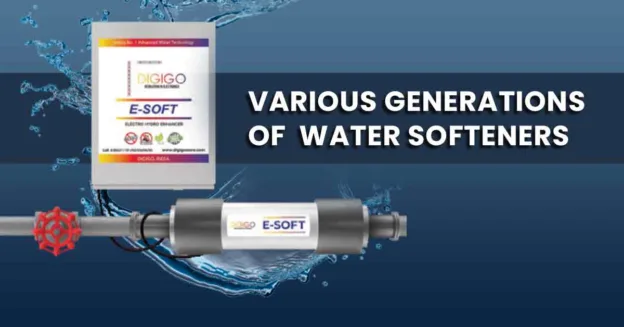
Welcome to the exciting world of water-softening technology, a landscape constantly evolving to tackle this age-old problem. Today, we’ll delve into the various generations of water softener systems, culminating in Digigo’s revolutionary E-Soft technology – a game-changer poised to redefine soft water solutions.
Various Generations of Water Softeners systems
1st Generation: The Classics – Salt Softeners
These time-tested warriors have served us well for years. In the first generation salt based water softeners get calcium and magnesium from salt and combine them with chloride and added to excess water to form sodium water. This technology’s effective score is around 70% on our efficiency scale due to waste generation and maintenance needs.
2nd Generation: The Refinement – Ion Exchangers
Building on the foundation of salt softeners, ion exchangers use alternative resins to remove hard minerals. While offering similar efficiency (70%), they address the sodium concern to some extent. However, these systems still require regular regeneration and maintenance, making them a practical, but not revolutionary, solution.
3rd Generation: Magnet Technology
These methods fall under the “neutralization” category, aiming to alter the properties of hard minerals without removal. Magnets, shrouded in scientific uncertainty, claim to change the mineral structure, but their effectiveness is largely disputed. But 3rd generation hard water filter offers only 20% efficiency.
This technology gets soft water without waste and without maintenance. It is and eco-friendly technology. This technology uses magnetic waves of north-pole and neutralizes the minerals available in the water. But due to high concentration the efficiency of this technology was not enough to neutralize hard minerals.
4th Generation: Conditioners
Efficiency of the 3rd generation was too less therefore to tackle this; the 4th generation came into action which is conditioners. The limitation of magnetic frequency was fulfilled by computers. By generating pulses by computers, it achieved the frequency to neutralize the hard minerals. It was basically invented by Germans. Conditioners, meanwhile, attempt to coat minerals, preventing them from sticking, but their long-term effectiveness and potential environmental impact raise concerns. The efficiency of the 4th generation water softener is 50%.
5th Generation: Electro Hydro Enhancer (E-Soft)
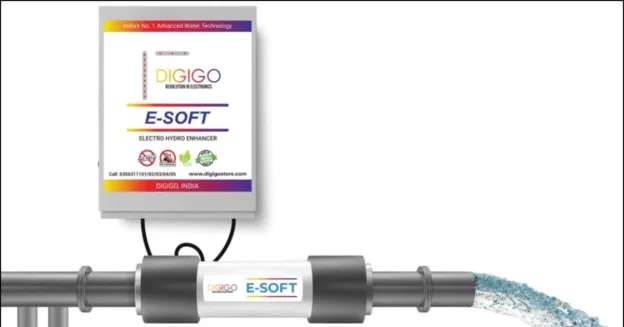
The conditioner technology could not survive in the India. Digigo is the only company which studied the technical drawbacks of 4th generation. This is where Digigo shines. Digigo cracked the design and technical code by doing research and development of this technology that can perfectly match the Indian hard water condition. Digigo made Electro Hydro Enhancer- E-Soft which is MADE IN INDIA. Because Our E-Soft water softener system ushers in a new era of soft water solutions. Forget harsh chemicals, wasteful membranes, and questionable techniques. E-Soft employs a breakthrough low-frequency electronic pulse technology to neutralize the charge of hard minerals within the water itself.
Here’s how Digigo E-Soft works:
● E-Soft transmits low-frequency electronic pulse through the water.
● E-Soft transmits low-frequency electronic pulse through the water.
● These waves interact with hard mineral particles, altering their electrical charge.
● The neutralized minerals lose their tendency to stick and form scale, rendering them harmlessly suspended in the water.
● No minerals are removed, no chemicals are added, just pure, soft water flowing freely.
This revolutionary approach boasts unparalleled benefits:
● Unmatched Efficiency of 100%: E-Soft utilizes minimal energy, with no water waste or regeneration requirements.
● Eco-Friendly: No harsh chemicals or brine discharge, making it a sustainable choice.
● Low Maintenance: E-Soft requires minimal upkeep, saving you time and money.
● Safe for All Appliances: Unlike salt softeners that can harm specific appliances, E-Soft is gentle on everything it touches.
So, what does this mean for you?
If you’re tired of hard water problems, Digigo’s E-Soft water softener offers a transformative solution. Experience the joy of sparkling dishes, shiny hair, and effortlessly clean appliances. Enjoy peace of mind knowing you’re making a sustainable choice for your home and the environment.
Ready to say goodbye to hard water woes?
Visit our website to learn more about Digigo’s E-Soft water softening technology and find the perfect solution for your home. We offer a variety of hard water softeners for home, whole house water filters, and water softener options to suit your specific needs and budget.
Invest in your future, invest in soft water, invest in Digigo’s E-Soft.
Effectiveness of each method is indicated on a scale of 100% (most effective) to 20% (least effective):