Category Archives: Hard Water Softener

Is Water Treatment the Next Frontier of Climate Change

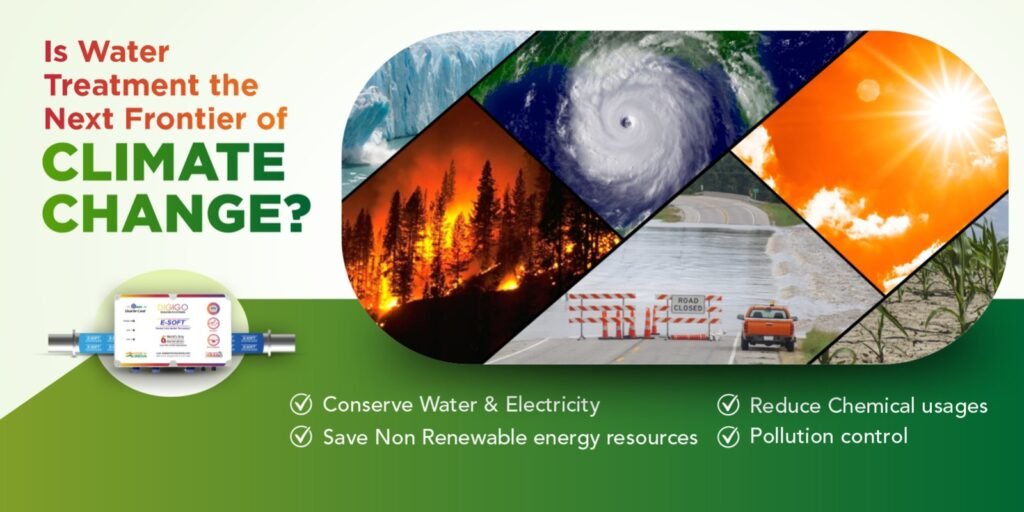
Is Water Treatment the Next Frontier of Climate Change?

Just two days ago, a major incident in Kanpur made headlines.

Two large treatment plants were forced to shut down, not because of a technical failure, but because they couldn’t keep up with electricity costs. Within hours, lakhs of litres of untreated sewage began flowing directly into the river.

It wasn’t just a pollution story. It was a system failure.

A reminder that water treatment today is not just about filtration or compliance, it’s deeply tied to energy, cost, and infrastructure resilience.

And this isn’t an isolated case. Across India, industrial zones are seeing water demand surge with expansion. As consumption rises, so does the energy required to pump, heat, treat, and circulate that water.

What we often overlook is this:

Water systems don’t just consume water; they consume energy, money, and stability.

And when inefficiencies build up inside them, the cost is not always visible, but it is always paid.

Which brings us to a critical question: What if water treatment is not just an operational necessity anymore but the next frontier of climate action?

The Intersection of Water, Energy, and Carbon

Every industrial process that uses water is also using energy. But the real impact begins when water quality interferes with system performance.

Hard water, rich in calcium and magnesium, quietly alters how systems behave. As it flows through pipelines, boilers, and cooling systems, it begins forming scale deposits on internal surfaces.

At first, this buildup is invisible.

Then gradually, systems start compensating.

  • Heat exchangers take longer to transfer heat
  • Boilers consume more fuel to maintain output
  • Pumps work harder to push water through narrowed pathways
  • Maintenance cycles become more frequent

What looks like a minor mineral issue becomes an energy problem. And energy problems eventually become carbon problems.

Even a thin layer of scale can significantly reduce thermal efficiency. Over time, this leads to increased emissions, not because production increased, but because systems became inefficient.

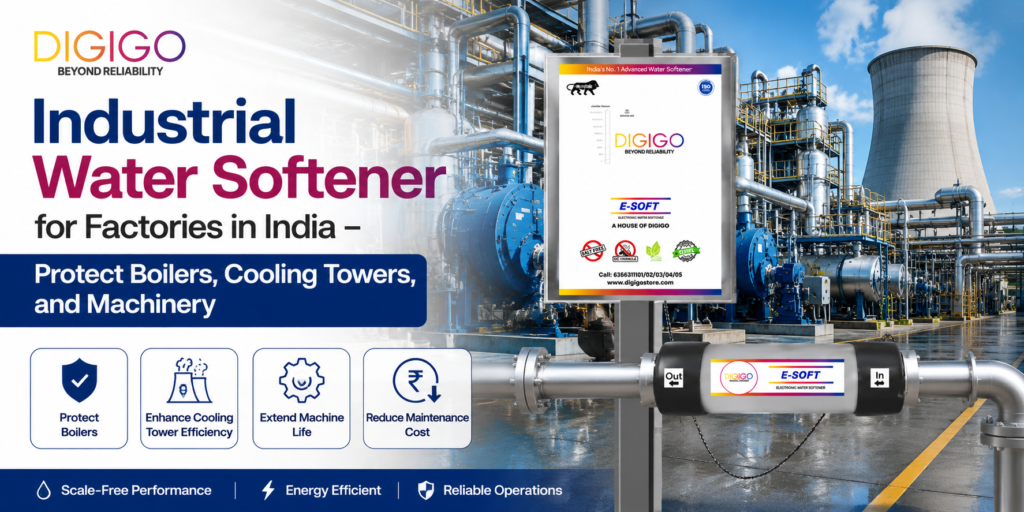
This is where the role of an Industrial Water Softener becomes more strategic than operational.

It’s no longer just about preventing deposits. It’s about protecting energy efficiency at its core.

Is Water Treatment the Next Frontier of Climate Change

Sustainable Technologies: The Tools of Change

For decades, industries have relied on conventional softening methods, primarily salt-based ion exchange systems.

While effective in reducing hardness, they come with hidden costs:

  • High water consumption during regeneration cycles
  • Continuous dependence on salt and chemicals
  • Wastewater discharge that requires further handling
  • Operational interruptions for maintenance

In a world moving toward sustainability, these trade-offs are becoming harder to justify.

This has led to a new category of solutions, ones that focus not on removing minerals, but on changing how they behave inside systems.

Electronic water softening treatment is one such approach.

Instead of extracting calcium and magnesium, it uses controlled electronic signals to alter their structure. Large mineral clusters are broken down into much finer particles, reducing their tendency to stick to surfaces.

This means:

  • Minerals stay in water but remain inactive
  • Scale formation is significantly reduced
  • Existing deposits may gradually weaken over time

What makes this approach relevant to climate action is its simplicity.

No chemicals.
No salt.
No water wastage.

Just a shift in how water interacts within the system. Modern water softener system for industries are increasingly being evaluated through this lens, not just performance, but also environmental impact.

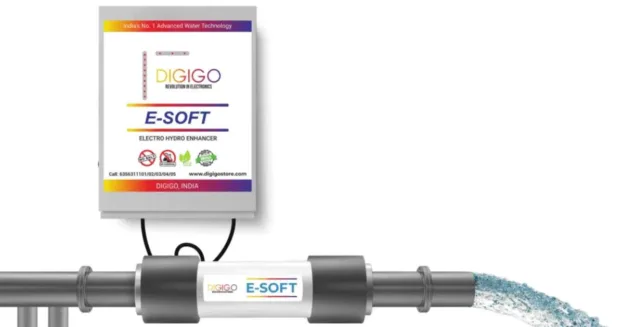
And this is where technologies like E-Soft begin to fit naturally into the conversation.

Why the Shift is Happening Now

This transition toward smarter water treatment isn’t accidental. It’s being driven by multiple real-world pressures.

1. Energy is Becoming Unpredictable

As seen in the Kanpur incident, energy costs can directly disrupt water systems.

Industries are realizing that reducing energy dependency is not optional; it’s essential for stability.

2. Sustainability is Now Measurable

ESG frameworks are pushing industries to quantify their environmental impact.

Water systems, once ignored, are now being evaluated for:

  • Energy efficiency
  • Waste generation
  • Chemical usage

This is changing how decisions are made.

3. Water Scarcity is Reshaping Priorities

In many industrial regions, water availability is no longer guaranteed.

Systems that waste water during treatment cycles are becoming less viable. Efficiency is no longer just about cost; it’s about continuity.

4. Hidden Costs are Becoming Visible

Earlier, scaling, maintenance, and energy losses were treated as separate issues. Now, industries are connecting the dots.

They are beginning to see how water quality impacts:

  • Equipment lifespan
  • Downtime frequency
  • Overall operational efficiency

This shift in understanding is why conversations around how E-Soft Water Softener works in industries are gaining relevance not just as a technical explanation, but as a strategic approach to system optimization.

From Water Treatment to Water Behavior

What’s changing today is not just technology but mindset. Traditional systems focused on removal.

Remove hardness. Remove impurities. Remove risk. But removal always comes at a cost of chemicals, water, or energy.

The new approach is different.

It asks:

  • Can we keep minerals but make them harmless?
  • Can we reduce intervention instead of increasing it?
  • Can systems become self-efficient instead of dependent?

This is where behavior-based treatment stands out.

By influencing how minerals act rather than eliminating them, it reduces the need for continuous external inputs.

Solutions like E-Soft follow this philosophy. They work silently within existing infrastructure, improving performance without adding complexity.

And in doing so, they align more closely with the principles of sustainability.

Where DIGIGO E-Soft Fits in Industries

As industries rethink water systems from a sustainability lens, companies focusing on system-level efficiency are becoming more relevant.

DIGIGO operates in this space, looking at water not just as a resource, but as a behavior within infrastructure.

Their E-Soft solution reflects this shift.

Instead of altering water composition, it works on mineral dynamics, reducing scale formation and improving system efficiency without chemicals or regeneration cycles.

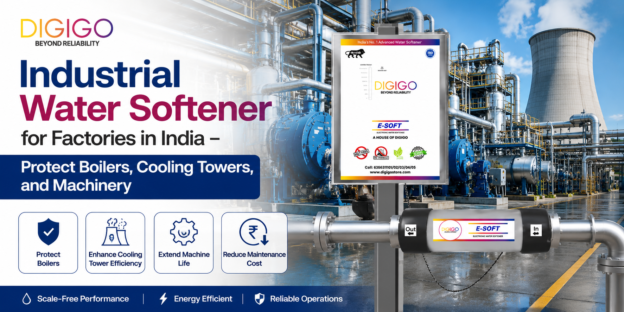
In practical terms, the benefits of E-Soft Industrial Water Softener extend across multiple layers:

  • Lower energy consumption due to better heat transfer
  • Reduced maintenance and downtime
  • No water wastage from regeneration
  • Minimal environmental discharge

All without disrupting existing operations. It’s a subtle intervention, but one that creates measurable impact over time.

Final Perspective

Climate action is often associated with large-scale transformation. But in reality, some of the most powerful changes happen within systems we rarely see.

Water treatment is one of them. It sits quietly at the intersection of energy, infrastructure, and sustainability.

And as industries search for practical ways to reduce their environmental footprint, it’s becoming clear that optimizing water systems is not just a technical upgrade; it’s a strategic move.

The future of climate action may not only depend on how we generate energy. But also on how efficiently we use it.

And in that equation, water might just be the most underestimated variable.

Hard Water Problems in Indian Homes - Causes, Effects & Solutions

Hard Water Problems in Indian Homes – Causes, Effects & Solutions

Introduction

It usually begins with a small observation.

A geyser that takes longer to heat water during winter.
A bathroom tap that slowly loses pressure.
White marks forming around the edges of the shower or bucket.
Soap that refuses to form proper lather even when you use more of it.

Most homeowners initially assume these are appliance issues, plumbing problems, or detergent quality concerns. A plumber may replace a valve. Someone may change the geyser element. Sometimes an entire tap gets replaced.

But in many Indian homes, the underlying reason sits much deeper in the water itself.

Across cities and towns, households increasingly depend on borewell water or mixed municipal supply. Much of this groundwater passes through mineral-rich rock layers before reaching homes. As a result, the water carries naturally dissolved minerals such as calcium and magnesium. Over time, these minerals interact with plumbing systems, appliances, and heating equipment.

This is where hard water problems in Indian homes begin to show up not as a single issue, but as a system behaviour affecting multiple parts of daily living.

Understanding how this happens helps homeowners and facility managers make better infrastructure decisions.

Hard Water Problems in Indian Homes - Causes, Effects & Solutions

What Causes Hard Water in Indian Homes?

Hard water is primarily caused by dissolved minerals picked up by water as it moves through underground geological formations.

In India, this situation is becoming increasingly common because of how water is sourced.

1. Groundwater Dependence

In many regions, groundwater has become the primary water source. Borewells are common in:

  • Independent houses
  • Residential societies
  • Apartment complexes
  • Commercial buildings

As water travels through limestone, chalk, and mineral-rich soil layers, it dissolves calcium and magnesium. When this water enters plumbing systems, these minerals remain present.

Over time, they can react with heat, pressure changes, and surface contact to form deposits.

2. Borewell Depth and Aquifer Composition

Many borewells today are drilled deeper than they were a decade ago due to falling water tables.

Deeper aquifers often contain higher mineral concentrations. This means water extracted from these sources may carry a heavier mineral load compared to earlier shallow groundwater sources.

3. Municipal and Borewell Mixing

In several urban areas, residential societies receive mixed supply:

  • Municipal water during certain hours
  • Borewell water during shortages

When these supplies mix within storage tanks and pipelines, the mineral composition varies throughout the day. This variability often makes scale behaviour less predictable.

These conditions explain why many properties eventually consider a water softener solution for Home to manage mineral behavior in their plumbing systems.

How Can You Identify Hard Water Problems at Home?

Hard water rarely announces itself immediately. Instead, it leaves small operational signals across different parts of a home.

Some common indicators include:

1. White or Chalky Deposits

Mineral residue often appears around:

  • Taps
  • Shower heads
  • Sink edges
  • Kettle interiors

These deposits form when water evaporates and leaves behind calcium carbonate.

2. Reduced Water Flow in Fixtures

Mineral buildup inside pipes and shower heads can slowly reduce flow.

What appears to be a plumbing blockage may actually be scale narrowing the internal diameter of the pipe or nozzle.

3. Appliance Efficiency Changes

Water heating appliances often reveal hard water behaviour first.

Common examples include:

  • Geysers taking longer to heat
  • Heating elements requiring frequent replacement
  • Electric kettles forming thick deposits

Scale acts as an insulating layer on heating surfaces. This reduces heat transfer efficiency.

4. Soap and Detergent Behaviour

Mineral-heavy water interacts differently with soap.

People often notice:

  • Reduced lather
  • Higher detergent usage
  • Soap residue on tiles or fabrics

These effects are chemical reactions between minerals and soap compounds.

When these indicators appear together, households sometimes start exploring options such as a hard water softener for residential plumbing systems.

Why Hard Water Issues in India Becoming More Noticeable?

Hard water has existed for centuries. However, its impact is becoming more visible today due to changes in infrastructure usage.

Increased Appliance Dependence

Modern homes rely on multiple water-dependent systems:

  • Geysers
  • Washing machines
  • Dishwashers
  • Water heaters
  • Pressure pumps

Each of these systems contains surfaces where mineral deposits can accumulate.

Higher Hot Water Usage

Heating accelerates mineral precipitation.

As more households use instant heaters, storage geysers, and solar water systems, scale formation inside these devices becomes more noticeable.

Long Plumbing Networks

Residential societies and large apartment complexes contain extensive piping networks. Over time, mineral deposition inside these pipes can alter flow behaviour.

Facility managers often observe gradual maintenance increases related to scaling rather than mechanical failure.

These conditions explain why many buildings now explore infrastructure-level solutions such as a hard water softener for society water lines rather than treating individual fixtures.

How Does Hard Water Affect Daily Living in Indian Homes?

The impact of hard water is not limited to plumbing surfaces. It often influences everyday routines in subtle ways.

1. Appliance Maintenance Cycles

Scale deposits tend to accumulate on internal components.

This can lead to:

  • Frequent heating element replacement
  • Reduced appliance lifespan
  • Increased servicing requirements

These maintenance patterns are often linked to mineral buildup rather than product quality.

2. Kitchen Performance and Cooking Behaviour

Hard water can also influence kitchen operations, particularly where water is used repeatedly for boiling and cooking.

Mineral-heavy water may affect:

  • How quickly water reaches boiling point
  • Residue formation inside kettles and cookware
  • Surface scaling in heating vessels

Over time, deposits inside cooking vessels or heating plates can reduce heat transfer efficiency.

Some infrastructure-level approaches attempt to influence mineral behaviour before the water reaches kitchen systems. Electronic softening systems work by modifying mineral crystallization patterns in flowing water. Instead of forming hard deposits, minerals are more likely to remain suspended and pass through the system.

The intent of such solutions is not to change the nutritional composition of water but to reduce scale accumulation across heating equipment and kitchen infrastructure.

3. Energy Efficiency Changes

Mineral layers inside heating systems act as insulation.

When heat transfer reduces:

  • Appliances may consume more electricity
  • Heating cycles may take longer
  • Energy efficiency drops over time

These effects become noticeable in high-usage homes or residential complexes.

4. Plumbing System Behaviour

Within pipelines, mineral deposition may slowly build along interior surfaces.

In extreme cases this can contribute to:

  • Reduced internal pipe diameter
  • Uneven water pressure across floors
  • Clogging in small nozzles and fixtures

5. Cleaning Effort

Hard water residue often leaves visible marks on:

  • Bathroom glass
  • Tiles
  • Steel utensils

This leads many households to increase cleaning frequency or use stronger cleaning agents.

Over time, many residents consider infrastructure-level solutions such as a hard water softener for flat plumbing entry points to manage mineral behaviour across the entire water system.

6. Personal Care: Hair and Skin Behavior

Hard water also interacts with soaps, shampoos, and body care products.

When calcium and magnesium react with cleansing agents, they form residues that do not rinse away easily. This can influence how skin and hair feel after bathing.

Households commonly observe:

  • Hair feeling rough or hair fall
  • Shampoo requiring more rinsing
  • Skin feeling dry after bathing

These effects are typically related to mineral–soap interaction rather than direct health impact. When mineral adherence reduces inside water systems, soap behaviour can become more consistent.

7. Home Gardens and Outdoor Water Use

In many Indian homes, the same borewell supply used indoors is also used for gardens and small landscape areas.

When water carries high mineral concentrations, it may gradually leave deposits around:

  • Irrigation nozzles
  • Hose outlets
  • Drip emitters
  • Plant pot edges

Over time, this can influence water distribution patterns in small garden systems.

While plants themselves generally tolerate mineral-rich water, irrigation equipment may require cleaning more frequently when scaling occurs.

Where properties rely heavily on borewell water, some homeowners extend scale-management systems to the main pipeline. This allows the same treated flow to reach both indoor plumbing and outdoor watering points.

In some residential plumbing setups, electronic systems such as the Digigo water softener for home are installed at the inlet line to influence mineral crystallization behavior. By reducing the tendency of minerals to stick to surfaces, these systems aim to improve overall water interaction across appliances and daily-use fixtures.

What Health Concerns Link to Hard Water in Indian Homes?

Hard water is not generally classified as unsafe for consumption. Calcium and magnesium are naturally occurring minerals that are also present in food.

However, the experience of using hard water can sometimes influence personal comfort.

Some households report:

  • Dryness after bathing
  • Soap residue on skin or hair
  • Difficulty rinsing shampoo completely

These effects often relate more to soap-mineral interaction rather than direct health impact.

The primary challenges associated with hard water tend to be infrastructure and maintenance related rather than medical.

This is why many treatment approaches focus on managing mineral behaviour inside plumbing systems instead of removing minerals entirely.

Understanding Water Softener Systems in Homes

To manage hard water effects, homeowners typically explore two broad approaches.

Traditional Ion Exchange Softeners

These systems remove calcium and magnesium by exchanging them with sodium ions through resin beds.

They generally involve:

  • Salt regeneration cycles
  • Periodic maintenance
  • Discharge of regeneration wastewater

Ion exchange systems have been widely used for decades in residential and commercial applications.

Electronic Water Softening Systems

Another approach focuses on altering mineral behaviour instead of removing the minerals.

Electronic systems send digital impulses through coils wrapped around pipelines. These impulses influence how mineral crystals form in flowing water.

Instead of sticking easily to surfaces, the minerals tend to remain suspended and flow through the system.

This approach is used in several infrastructure environments because it:

  • Operates without salt or chemical regeneration
  • Works on existing pipelines
  • Focuses on scale behaviour rather than mineral elimination

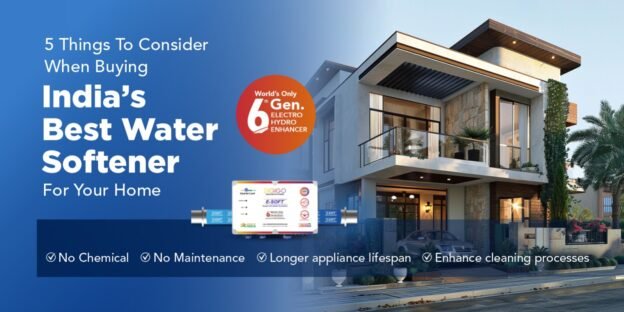
In residential environments, technologies such as the E-Soft water softener for home follow this electronic water softening model.

These systems are designed to interact with the flow of water in plumbing lines to reduce scale formation risk across heaters, pipes, and appliances.

The goal is not to change the chemistry of the water entirely, but to influence how minerals behave within the infrastructure.

FAQs

1. Does hard water damage household appliances?

Over time, mineral deposits can accumulate inside heating elements and narrow pipes. This can reduce efficiency and increase maintenance cycles for appliances like geysers and washing machines.

2. Can boiling water remove hardness?

Boiling may precipitate a small portion of temporary hardness, but most mineral content remains dissolved. It does not address scale formation within plumbing systems.

3. Do all homes need a water softener?

Not necessarily. The need depends on the mineral content of the water supply and how frequently scale-related issues appear in appliances or plumbing systems.

4. What is the best hard water softener for residential properties?

Different technologies address the problem in different ways. Some systems remove minerals through ion exchange, while others modify mineral crystallization behaviour to reduce scale formation.

Electronic water softening systems, such as the E-soft water softener for home work by breaking down calcium and magnesium minerals and behave passively in flowing water, helping reduce their tendency to stick to pipes, heaters, and appliances. The right choice ultimately depends on the installation environment and maintenance expectations.

What Next?

Hard water in Indian homes is rarely just a cosmetic inconvenience.

It reflects deeper interactions between groundwater sources, plumbing infrastructure, heating systems, and mineral behaviour inside water networks.

As borewell dependence increases across many regions, mineral-heavy water has become a common reality for residential buildings, apartments, and housing societies.

Understanding how these minerals behave inside pipes, heaters, and appliances helps homeowners make more practical decisions about water infrastructure.

Rather than focusing only on surface symptoms like stains or soap usage, addressing the underlying mineral behaviour within the plumbing system can improve long-term operational stability.

In many cases, water management solutions are less about changing the water completely and more about guiding how it interacts with the systems that depend on it every day.

Digigo Esoft Water Softener

Comparison: DIGIGO Hard Water Softeners vs Other Hard Water Softeners

Blog Overview:

  • Understand what makes Digigo hard water softener stand out.
  • Know the real difference between TDS and hardness.
  • Read real-life stories of Indian families solving hard water problems.
  • Discover expert insights and online reviews.
  • Learn what to look for in a softener for your home.

Introduction: Why My Geyser Gave Up Early?

“Why does my new geyser need servicing again?”

That’s exactly what my aunt said last summer. She’d just installed a fancy new geyser, and within months, white stains and low water pressure became a regular issue. The culprit? Borewell water. And like many Indian homes, her house depend completely on it.

Hard water isn’t just a pipe or appliance issue; it slowly affects skin, hair, clothes, and even daily peace of mind. That’s when someone in our family WhatsApp group said, “Try a Digigo hard water softener. We used it, and our bathroom tap stains just vanished!”

That got me curious. What’s so special about Digigo? How is it different from other softeners? And how do we know if it’s the right one for our home?

Let’s break it down simply.

TDS vs Hardness: Don’t Mix the Two

Most people think a high TDS level in water means it’s hard water. But that’s not always true.

Let’s understand the difference:

  • TDS (Total Dissolved Solids) includes all salts and minerals in water, not all of which are bad.
  • Hardness comes from calcium and magnesium ions, specifically, these are what leave white scale and make water “hard.”

For example, a glass of mineral water may have high TDS but is soft to the touch. Meanwhile, borewell water with high calcium can ruin your taps, even with lower TDS.

So, the next time someone says “check your TDS”, also ask: What’s the calcium and magnesium content?

Do Softeners Reduce TDS? The Truth

This is a common myth.

No, most water softeners, including the Digigo hard water softener, do not reduce TDS. They replace calcium and magnesium with sodium or potassium, making the water soft.

Why is this important?

Because even with the same TDS, softened water:

  • Doesn’t form white scales.
  • Feels gentler on skin.
  • Don’t choke your geysers or washing machines.
  • Stats say: 70% of Indian households that use borewell water have hardness levels above the recommended 200 ppm.

Authentic Narrative: Transitioning from Uncomfortable, Itchy Skin to Delightfully Smooth Mornings

Hi Ramesh from Nagpur. He got a water softener installed for domestic use after his children began developing dry, scratchy skin.

“Since making the change to a Digigo softener, we’ve noticed that even our clothes are noticeably softer to the touch and more pleasant to wear. We no longer have any problem with shampoo foam, either,” he reports.

This is quite a common occurrence. Hard water has a tendency to react with soap, and this causes it to not lather as it should or as effectively, and it also leaves a nasty residue on the hair and skin.

Why Digigo Hard Water Softener?

There are many brands. So why are people choosing Digigo?

Here’s a side-by-side look (simplified):

FeatureDigigo Hard Water SoftenerOther Brands
Price RangeMid-affordable for homesVaries
InstallationEasy, home-readySometimes complex
MaintenanceLow, filter-basedResin cleaning needed
AvailabilityOnline & OfflineLimited access
SuitabilityPerfect water softener for Indian homesNot always customized

People on forums like Quora say Digigo offers value for money without unnecessary complexity. For someone who doesn’t want a “science lab” attached to their pipeline, it’s ideal.

What Do Online Users Say?

From Reddit threads to Quora answers, here’s what real users share:

“Digigo worked for our borewell water in Pune. No more salty stains!”

“Other softeners had too much maintenance. Digigo was plug-and-play.”

“We compared many before choosing this. Good service and performance.”

Expert Insight: What Most People Miss

A plumbing expert from Chennai said, “Many families choose the wrong type of softener. They buy big, expensive industrial models for small houses. That’s a mistake. Brands like Digigo offer units made specifically for home use.”

He also mentioned that in cities like Hyderabad, where borewell water has over 500 ppm hardness, a good softener becomes essential, not optional.

Post-Lockdown Trend: Softeners on the Rise

Ever since the pandemic, more Indian families have focused on home hygiene and appliance care. This led to:

  • A 40% rise in softener sales in 2021-22 in Tier 2 cities.
  • Increased awareness about the benefits of water softeners, especially in hard water zones.
  • More brands are launching “home-optimised” softeners.

This explains why options like the Digigo hard water softener are becoming household names.

If you use borewell water and face stains, poor lather, or appliance issues, yes, a softener is a must. And if you want something simple, budget-friendly, and reliable?

The Digigo hard water softener is a smart choice.

It won’t reduce TDS, but it will make your water softener, life easier, and skin healthier. For Indian homes, it checks most boxes.

FAQs

1. Does Digigo reduce TDS?
No. Like most softeners, it reduces hardness, not TDS.

2. How do I know if I need a softener?
If your taps have white marks, geysers choke up, or soap doesn’t foam, you likely have hard water.

3. What is better: low TDS or low hardness?
Low hardness is more important for appliances and skin. TDS includes good minerals, too.

4. Can I use it in apartments?
Yes. The Digigo unit is perfect as a hard water softener for home use, including apartments.

Final Thoughts

If you are still in the discovery phase, don’t confine it to a single brand. E-Soft Water Softeners offer solutions for homes, commercial businesses, industries, and even farms.

The range of products that they offer is thoughtfully planned with careful consideration of the specific water quality issues that are widespread in India. If you prefer to look for a wider range of choices, you can easily log on to their website, where you can determine the water softener that best suits your personal water needs and your budget.

Does Water Softener Reduce TDS

Everything You Need to Know: Does Water Softener Reduce TDS?

Blog Overview

  • Understand the real meaning of TDS and hardness in water
  • Learn whether water softeners actually reduce TDS or not
  • Real-life cases from Indian households that fixed hard water problems
  • Insights from industry experts and what online forums are saying
  • Recent trends in Indian homes post-lockdown
  • A look at E-Soft Water Softeners for homes, societies, industries, and farms

Introduction: 

“Yeh paani peene ke laayak hai ya sirf kapde dho sakte hain?”

That’s what my elder brother asked one day while cleaning his bathroom tiles. They were covered with a white, powdery layer that just wouldn’t go away.

His wife had already started complaining about hair fall. The washing machine was making strange noises. He thought, “Pani toh saaf lagta hai, phir yeh sab kyun ho raha hai?”

We did some basic tests and the TDS was around 1000 ppm. The water felt ‘harsh’. So he asked the same question you’re thinking right now:

Does water softener reduce TDS?
Let’s break it down in the simplest way.

What is TDS? What is Hardness? 

These two words are often thrown around when we talk about water quality, but they’re not the same.

TDS – Total Dissolved Solids

  • TDS means all the salts, minerals, metals, and ions dissolved in water.
  • Think of it like everything that’s “invisible” but still present in the water.
  • Measured in ppm (parts per million).
  • TDS includes minerals like calcium, magnesium, sodium, iron, chloride, and more.

Hardness – Just a Part of TDS

  • Hardness comes mainly from calcium and magnesium.
  • These minerals stop soap from lathering, leave white stains, and clog your geyser.
  • High hardness = white rings in buckets, dry skin, and dull hair.

So, TDS is a bigger term, and hardness is just one part of it.

Does Water Softener Reduce TDS?

Let’s be 100% honest here. No, water softeners do not reduce TDS.

But don’t worry it’s not a problem. Let’s understand why.

Stats You Should Know

  • TDS in Indian tap water: Often ranges from 300 to 1200 ppm
  • Ideal TDS for drinking water (BIS standard): Up to 500 ppm
  • Softener’s job: Replace calcium and magnesium with sodium or potassium not reduce total dissolved solids

So after installing a water softener, TDS readings stay the same or even go up slightly. But the feel of the water becomes drastically better.

Real-Life Case #1: Seema Aunty from Pune

Seema Aunty was constantly calling the plumber. Her geyser stopped working every 3-4 months. Bathroom tiles were stained. Her daughter’s hair had become lifeless.

She thought, “Is it something in the water?”

After testing, she found out:

  • TDS: 900 ppm
  • Hardness: Very high

She installed an E-Soft Water softener for her home. And in just a week:

  • Geyser issues stopped
  • Her daughter’s scalp itching reduced
  • No more white residue on tiles and taps
  • Even clothes started feeling softer after wash

She told us, “TDS toh utna hi hai, lekin paani ab sukoon deta hai.”

Real-Life Case #2: Ravi Bhai from Ahmedabad

Ravi Bhai owns a duplex and uses borewell water. His RO machine kept getting clogged. Clothes were getting rough even after washing with premium detergent.

After he added a water softener to the whole-house line:

  • RO maintenance reduced
  • Water pressure improved
  • Utensils were cleaner after wash
  • His wife said, “Pehle lagta tha washing machine ne dhang se nahi dhoya!”

What Experts Say: The Truth Most People Don’t Know

We spoke to Rajeev Maheshwari, a water treatment expert with 25+ years of experience:

“People often confuse TDS with water quality. But it’s not the TDS that’s harmful it’s the hardness. Softening water gives instant results even if TDS stays the same.”

He explained that soft water:

  • Protects appliances
  • Is gentler on skin and clothes
  • Increases the lifespan of plumbing and fittings

So, don’t be obsessed with lowering TDS unless you’re talking about drinking water.

What People Are Saying Online

Some real responses from Indian users:

  • “After installing a softener, water felt silkier. But yes, TDS stayed the same.”
  • “My RO showed 1000+ TDS. But only when I installed a softener did my bathroom stop looking like a chalk factory.”
  • “Soft water feels different. Easier on skin and clothes. I didn’t expect such a big change.”

People across platforms are agreeing on one point:
Softener ≠ TDS control
Softener = Water behavior improvement

Trends in Indian Homes (Post-COVID Shift)

In the last few years, especially after lockdown, Indian families started paying more attention to their water quality. Some new trends:

  • Builders offering softeners as part of new property packages
  • Softener demand up by 40% in borewell-heavy zones
  • Online searches for “Water softener for house” growing 2X every year
  • Many families combining RO + softener to cover both drinking and usage needs

Conclusion: 

So, Does Water Softener Reduce TDS?

Let’s say it loud and clear:

No, a water softener does not reduce TDS.
But it removes hardness which is the real reason behind most of your water-related problems.

From dry skin and hair to broken taps and dull clothes it all starts with hard water. So even if TDS remains high, your experience with water can become softer, cleaner, and safer.

FAQs About TDS and Water Softeners

Q1. Is high TDS harmful for bathing or washing?
Not necessarily. It’s the hardness (calcium & magnesium) that causes most trouble in non-drinking uses.

Q2. Can I use softener water for drinking?
No. Softeners don’t purify water they only reduce hardness. Use an RO for drinking.

Q3. Why is TDS not going down after using a softener?
Because softeners swap minerals they don’t remove total solids.

Q4. Can I use both RO and softener together?
Absolutely. RO for kitchen, softener for the rest of the house.

Q5. How to check if my water is hard?
Watch for white deposits, soap not lathering, itchy skin, or rough laundry. You can also get a simple water test kit.

E-Soft Water Softeners – For Every Indian Family’s Needs

Whether you live in a flat in Delhi, a bungalow in Ahmedabad, or run a farmhouse near Pune E-Soft Water Softeners have a solution:

  • Domestic softeners for daily use
  • Commercial-grade for buildings & offices
  • Heavy-duty for industries and agricultural setups

If you’re confused by TDS but tired of hard water, it’s time to act.
Explore E-Soft’s full range on their official website and choose soft living, one drop at a time.

Digigo Esoft Water Softener

The Ultimate Guide on Best Water Softener for Apartment in 2025 | Benefits, How to Choose & More

Key Takeaways

  • Hard water is a significant issue that arises in many Indian apartments. 
  • It creates discomfort for consumers, as well as damages personal and family appliances.  
  • An apartment water softener removes harmful minerals such as calcium and magnesium from water.
  • Water Softener helps extend the life of washing machines, geysers, and purifiers.
  • It improves cleaning results, skin feel, and hair texture.
  • Choose the right softener based on your water hardness, space, and family size.
  • E-Soft Water Softeners offer compact units for flats and heavy-duty models for societies.
  • Soft water saves electricity and maintenance costs in the long run.
  • Real-life cases show huge improvements in daily life after switching to soft water.
  • Top brands include E-Soft, KENT, and 3M for apartment-friendly options.
  • Regular maintenance ensures your softener runs smoothly for years.

Introduction

Residents in a majority of Indian cities experience the very common issue of hard water with high levels of minerals such as calcium and magnesium. It is felt mostly in cities where the bulk of the source of water is groundwater. Cities with a very high degree of popularity, such as Delhi, Ahmedabad, Chennai, and Pune, typically suffer from very high levels of hardness, not just limited to purely calcium and magnesium. Such hardness exceeds best recommendations for water hardness, and hardness above 200 mg/L can be considered poor condition beyond recommendations to the index of 7,8 hardness down recommendations. 

Let us tell you the story of Mrs. Patel. She is a homemaker from Ahmedabad. She noticed that her freshly laundered clothes appeared dull, her water purifier’s filter clogged frequently, and her kitchen sink carried stubborn white deposits. And even after cleaning regularly these problems are not leaving her. When she talked about this issue with her ladies’ group, she found out that this was not her problem alone. All of the ladies were suffering from this stubborn, hard water issue. But Mrs. Patel was not at all in the mood of giving up on this problem. She researched the reasons behind this. And you will be shocked knowing what she found out. 

Only one beast was ruining their entire homely environment, and that was Hard Water! She tested her water hardness level and it showed 243 mg/L. Very shocking, right? But this is a common issue in every other society in the cities. 

But what happened to Mrs. Patel’s home? She got a very sustainable solution not only for her home but her entire society. Do you want to know what she did? Read the article below and you will get to know everything. 

Understand Hard Water and Its Impacts

Before we get to the topic at hand, let’s talk about water first. Hard water has high levels of certain minerals, including calcium and magnesium, that can result in:

  •  Limescale buildup on your water-using appliances and fixtures.
  • Reduced effectiveness and lifespan of water-using appliances.
  • Dry skin and hair as a result of soap that is less effective with hard water.

If you don’t soften hard water, it will negatively impact the lifespan of household appliances and your convenience.

Benefits of Installing a Water Softener for Apartment

If you’re considering putting a water softener in your apartment, you’ll definitely enjoy these benefits. 

Longer Lifespan of Appliances: 

The softened water deposits no minerals. This means better performance and longer-lasting appliances such as washing machines and water heaters. 

More Cleaning Power: 

Soft water works better with soaps and detergents. This means your dishes, clothing, and surfaces will be cleaner, ALL with less soap scum. 

Softer Skin and Hair: 

Soft water has fewer drying and irritation effects on your skin and hair. 

Types of Water Softeners Suitable for Apartments

When thinking of getting a water softener for your apartment, it is a good idea to consider the available options. Here are some of the most popular water softener options on the market.

1. Salt-Based Ion Exchange Softeners:

  • Replace calcium and magnesium ions with sodium ions.
  • Require space for a brine tank and regular salt replenishment.

2. Salt-Free Water Conditioners:

  • Use potassium chloride or other methods to condition water without removing minerals.
  • Suitable for those seeking a low-maintenance option without adding sodium to the water.

3. Magnetic or Electronic Descalers:

  • Alter the electromagnetic properties of minerals to prevent them from depositing as scale.
  • Space-saving and maintenance-free, but may be less effective in extremely hard water conditions.

4. Electro Hydro Enhancer:

  • All the bigger sized hard water minerals are broken down into small particles and are made neutralized. So that they don’t stick to the inner surface of the pipes or appliances. 
  • 100% efficiency with zero wastage of water. No maintenance is needed for the entire lifespan.

Things to Consider While Selecting a Water Softener for Your Apartment

Make sure to assess the following with the water softeners:

  • Water Hardness Scale: Test to check the hardness levels of your water and select accordingly for the proper size softener.
  • Space Availability: Compact models that are space-friendly can easily college apartments that can fit into the apartments without discomfort.
  • Budget: First, determine the balance between the initial price and future savings on servicing the appliance and the costs associated with power bills
  • Maintenance Needs: Simplicity of maintenance such as salt refilling and cleaning of the system.

Top Water Softeners for Apartment in India in 2025

Here are some of best-performing water softeners suitable for Indian apartments:

E-Soft Water Softeners:

Features: 

Offers both domestic units for single apartments and tubewell units for residential societies. Known for efficient performance and eco-friendly operation.

Benefits: 

– No maintenance needed.

– Solves the highest level of hardness

– Zero water wastage

– Removes existing scale from the pipes

KENT Water Softeners

Features: 

Utilizes ion-exchange technology with automatic regeneration. Suitable for both individual apartments and larger societies.

Requirement: 

KENT Water Softeners demand space for installation and regular maintenance.

3M Fully Automatic Water Softeners:

Features: Employs ion-exchange technology with programmable settings. Minimal manual intervention needed.

Consideration: Premium pricing but offers reliable performance.

ZeroB Water Softeners:

Features: 

Provides models with smart regeneration technology, reducing water wastage.

Consideration: 

Suitable for eco-conscious consumers seeking efficient water management.

Installation and Maintenance Tips

Proper installation and upkeep are vital for optimal performance:

  • Professional Installation: Engage certified technicians to ensure correct setup and adherence to safety standards.
  • Routine Maintenance: Follow the manufacturer’s instructions for cleaning and component inspection to extend the lifespan of the system.
  • Salt Management: For salt systems, check and add unpurified salt as necessary to keep the system efficient.

How to Address Hard Water in Residential Societies?

For larger residential complexes, a centralized water softener for society can be more effective:

Centralized Systems:

 Treat water at the source before distribution to individual units, ensuring uniform water quality.

Cost Efficiency: 

Shared investment among residents can lead to reduced individual costs and collective benefits.

If you Implement a centralized system, it requires coordination among residents and management. But at the same time it offers long-term advantages in water quality and appliance longevity.

Final Take

So, what happened next in Mrs. Patel’s home?

After understanding that hard water was silently damaging everything she made a wise decision. She spoke to her building committee and told them everything she had found in her research. She showed them the test results, discussed the complaints from her ladies’ group, and then introduced them to a solution E-Soft Water Softener for Apartment.

To everyone’s surprise, it worked. Not just in her flat, but in the entire society. No more white patches on utensils. No more dull clothes. And definitely no more fighting with hard water every single day.

Today, Mrs. Patel proudly says, “I just thank E-Soft that actually understands the Indian water problem and gives an exact solution to our household hard water problems.” Isn’t that what we all want?

If hard water is quietly ruining your peaceful home life, don’t wait too long. Test your water. Ask your neighbours. Start the conversation. Maybe your home and your entire society needs the same change Mrs. Patel made. And once you switch, you’ll feel the difference not just in your pipes or taps, but in your everyday comfort.

E-Soft is not just a product. It’s a quiet helper that brings ease to your water and peace to your home.

Digigo Esoft Water Softener

India’s Hard Water Problem: One Solution for Every Industry

Hey there, Indian business owners and factory managers! If you’re reading this, chances are you’ve faced the headache of hard water in your businesses. Whether you run a textile unit, a food processing plant, or a steel factory, hard water is a silent troublemaker that messes with your machines, pipes, and profits. Today, let’s talk about India’s hard water problem and how one simple solution hard water softeners can work wonders for every industry. It’s practical, it’s affordable, and it’s something every Indian business needs to know about!

What’s the Hard Water Problem in India?

If you’ve ever seen white, chalky buildup on your taps or machines, that’s hard water at work. Hard water has too much calcium and magnesium—minerals that come from the ground, especially in places like Rajasthan, Gujarat, and Punjab. In India, over 70% of our water is hard because of our soil and rocks. Borewells, rivers, and even municipal supplies often carry these minerals, and they’re a big problem for industries.

Why? Because hard water clogs pipes, damages equipment, and slows down production. Imagine your boiler breaking down or your cooling system failing—all because of that stubborn scale buildup. It’s not just a small issue; it’s costing Indian industries crores every year in repairs and delays.

How Hard Water Hurts Different Industries

Let’s break it down so it’s easy to see how hard water affects your work:

  • Textile Industry: Hard water leaves stains on fabrics and messes up dyeing. Your clothes don’t look as bright, and customers notice.
  • Food Processing: Scaling in boilers and pipes affects taste and safety. Plus, it’s tough to clean equipment properly.
  • Steel and Manufacturing: Machines overheat or fail when hard water blocks cooling systems. That means more downtime and less output.
  • Hotels and Restaurants: Guests complain about spotty glasses or dull laundry. Hard water even makes cooking harder.
  • Pharma Industry: Water quality is everything here. Hard water can ruin medicines and fail strict standards.

No matter your industry, hard water is like an uninvited guest that keeps causing trouble. But don’t worry—there’s a fix!

One Solution Fits All: Hard Water Softeners

Here’s the good news: Industrial water softeners can solve this problem for every industry in India. A water softener takes out those pesky minerals and gives you soft water that’s safe for your machines, products, and people. It’s like giving your business a shield against hard water damage.

How does it work? Simple! A water softener uses a process (like ion exchange) to swap calcium and magnesium with sodium. The result? Clean, soft water that doesn’t leave scale or harm your equipment. There are different types—some use salt, some don’t—but they all do one thing: make hard water harmless.

Why Every Indian Industry Needs a Hard Water Softener

Still not sure? Here’s why water softeners are a game-changer:

  1. Save Money: Less scaling means fewer repairs and lower energy bills. Soft water helps machines run smoothly.
  2. Better Products: From tastier food to brighter clothes, soft water improves quality.
  3. Longer Machine Life: No more replacing boilers or pipes every few years.
  4. Happy Customers: Whether it’s spotless dishes or perfect medicines, your clients will notice the difference.
  5. Eco-Friendly: Soft water means less detergent and energy use—good for your wallet and the planet.

In India, where water quality changes from state to state, a water softener is like a magic wand. It works whether busy factories or textile hubs.

DIGIGO Industrial Hard Water Softener, Made for India, Made for You

DIGIGO Industrial hard water softeners are designed with India in mind. They handle borewell water, monsoon changes, and high mineral levels. You can get small units for a restaurant or big systems for a factory. And they’re easy to install—no need to stop your work for days.

Time to Act: Beat India’s Hard Water Problem

Hard water isn’t going away on its own. With India’s industries growing fast, we can’t let it slow us down. A water softener isn’t just a tool—it’s an investment in your business’s future. Think about it: less stress, more savings, and happier customers.

Digigo Esoft Water Softener

A Comprehensive Guide on How to Choose The Best Water Softener for Washing Machines in India

Dear friends,

Let me tell you something that happened in my house last week. Every Indian woman has a Silk saree gifted by her mother. Just like my wife, they keep this for special occasions. Yesterday, she washed it, and she told me to take out the clothes after washing. It could be my last day on the earth, I swear! Every husband’s nightmare, the saree became hard like a board. Not only that, the saree got white clouds not because of design but because of fading. 

A week later, barely the saree incident was forgotten, and our washing machine – the one we bought just 6 months ago – started making weird sounds. Dhak-dhak, dhak-dhak! Like those old buses on village roads.

I had to research on this to save myself from this blame. You won’t believe friends, what I got on Google! It’s all because of hard water. Can you believe it? Simple water causing so many problems!

But I got some good solutions too. It’s called a water softener for washing machines. Yes, I know it sounds fancy, but trust me, it’s as simple as adding an extra protection for your clothes and washing machine. As suggested by Google, we tried the E-Soft Water Softener for washing machine in our home. It’s made right here in India, understanding Indian water conditions. Let me explain everything, how this washing machine water softener made our life easy.

What is Hard Water?

Hard water contains high levels of minerals like calcium and magnesium. These minerals build up over time and cause limescale deposits in appliances, pipes, and even clothes.

In India, many regions have hard water due to natural sources like groundwater or borewells. It creates a nuisance for washing machines and clothes.

Problems Indian Families Face with Washing Machines and Hard Water

Hard water creates challenges like-

  1. Dull and Stiff Clothes
    Clothes washed in hard water lose their shine and softness over time. You might notice whites turning grey or bright colours becoming dull.
  2. Extra Detergent Usage
    Hard water reduces the efficiency of detergent, which means you need more soap to clean the cloth dirt. This adds to your monthly budget.
  3. Frequent Appliance Repairs
    Mineral deposits from hard water clog in the pipes and parts of your washing machine. And eventually, this results in breakdowns and costly repairs.
  4. High Electricity Bills
    When your washing machine works harder due to hard water build-up, it consumes more power. This way your electricity bills increase behind your back.

How Hard Water Affects Washing Machines?

Hard water slowly damages your washing machine.

  • Limescale Build-up
    Hard water Mineral deposits form a crust on the washing drum, heating elements, and pipes. This gradually reduces the machine’s efficiency and capacity.
  • Poor Cleaning Performance
    Hard water prevents detergents from lathering properly. So these detergents leave residue on clothes and inside the drum.
  • Short Lifespan
    Over time, hard water damage forces you to replace your washing machine. So your machine has to be replaced by a new one before its life expires.

How Soft Water Can Save Your Washing Machine?

Soft water is free from harsh minerals. Soft water is ideal for washing machines. Here’s how soft water helps:

  • Prevents Limescale Build-Up
    Soft water protects your washing machine’s drum, pipes, and heating elements from damage.
  • Improves Cleaning Efficiency
    Detergent dissolves better in soft water, giving cleaner, fresher clothes.
  • Extends Appliance Lifespan
    With soft water, your washing machine works smoothly for years, reducing maintenance and replacement costs.
  1. Save Money
    Less detergent + less repairs + lower electricity bills = Save Money
  2. Protect Clothes
    Clothes stay soft, vibrant, and fresh for longer.
  3. Eco-Friendly
    Soft water reduces detergent usage, which means fewer chemicals are released into the environment.
  4. Hassle-Free Maintenance
    Say goodbye to calling the service boy again and again!

Which Water Softener is Best for Washing Machines?

Choosing the right water softener is very crucial. I myself researched on Google and asked in my friend circle, I found only one name: for Indian homes, E-Soft Water Softener is best for washing machines.

  • Why E-Soft Water Softener?
    • Specially designed for Indian water conditions
    • Easy to install
    • No Maintenance costs
    • Affordable and durable
    • Protects other appliances like geysers and dishwashers

E-Soft offers a variety of water softeners for homes. Whether you live in a city or a village, they have a solution for you.

Additional Care Tips for Washing Machines

  1. Regular Cleaning
    Clean your washing machine drum and filters every month to avoid residue build-up.
  2. Use the Right Detergent
    Some detergents are designed for hard water—these can help, especially when paired with a water softener.
  3. Install a Water Softener
    This is the most effective step you should take to protect your washing machine and improve its performance.

Take Action!

A water softener for washing machines, like the E-Soft Water Softener, is an affordable and effective way to solve this issue. Not only will it protect your washing machine, but it will also make your laundry fresher and your life easier.

Don’t let hard water damage your washing machine or clothes. Contact DIGIGO today! Their services team will come and install the washing machine water softener at your home.

FAQs

1. What is the best water softener for washing machines in India?
The E-Soft Water Softener is one of the best options. It’s affordable, easy to install, designed for Indian homes and the best thing is E-Soft does not need any maintenance.

2. How do I know if my washing machine is affected by hard water?
Stiff clothes, faded colours, residue on your machine drum, and frequent repairings.

3. Can a water softener reduce detergent usage?
Yes! Soft water allows detergent to lather better, so you will save 70% on detergent costs.

4. Is installing a water softener expensive?
Not at all! E-Soft water softeners are budget-friendly and provide long-term savings like reducing repairs and less electricity bills.

5. Will E-Soft work for front-load washing machines?
E-Soft works for both front-load and top-load washing machines! It prevents limescale build-up, improves cleaning efficiency, and protects your machine, no matter the type.6. Can this water softener be used for other appliances?
Yes, water softeners can protect other appliances like geysers and dishwashers.

Digigo Esoft Water Softener

Water Softener for Tank: Why We Need It, Top Water Softener for Tanks, Benefits & More

In every household, water plays a very crucial role. Because we use this water for drinking, cooking food, bathing and cleaning. And in these daily activities, water quality matters the most. For once, we have RO and water purifiers for drinking water. It’s another debate that RO water is not so beneficial for our health. 

We’ve arrangements for drinking water but what about the other? Let’s be honest: every second person is facing hair fall, and every second house is witnessing lime scale buildup on taps, buckets, wash basins and bathrooms. Am I right? Or why do our geysers need repairing every winter? For once, we can ignore this because it’s a yearly cost what about the washing machines? They are like a headache to repair every 3rd month.

But don’t worry—there’s a solution! A water softener for tank can transform hard water into soft water for every need.

1. Why Are People Facing Hard Water Problems at Home?

Areas dependent on borewells, rivers, or untreated municipal water are most affected. They contain minerals like Calcium and Magnesium. Some areas where untreated water is the only option, suffer the most.

Hard water is common issue in India. The hard water minerals leave stains, clog pipes, and damage appliances like geysers and washing machines.

2. How Can We Tell If Our Home Has Hard Water?

Notice these signs-

  • White stains on taps, tiles, and wash basins.
  • Clothes feel stiff or fade after washing.
  • Soap or shampoo does not form a good lather.
  • Dry skin and hair fall problems after bathing.
  • Appliances like geysers and washing machines need frequent repairs.

3. Can RO Solve the Hard Water Problem?

People think an RO or water purifier system is the solution, but this is a misconception. RO systems are designed to purify drinking water by removing impurities. However, they:

  • Only soften water for drinking, not for the whole house.
  • Remove both bad and good minerals, which may not always be necessary.

To solve the whole house water problem, you need a water softener for tank.

4. Then How Can We Treat Water for the Whole House?

To remove hard water in the entire house, you need a water softener for your tank. Water softeners treat all the water stored in your home tank. You can use this for drinking, bathing, washing clothes, cooking, and more, without causing stains or damage to appliances.

5. How Is a Water Softener Different from an RO System?

The main difference is in their purpose and capacity:

  • Water Softener: Treats hard water by removing hard minerals like calcium and magnesium. It’s perfect for household needs, including washing and bathing.
  • RO System: Purifies drinking water by removing impurities. However, it’s limited to drinking and cooking purposes only.

6. What Types of Water Softeners Are Available for Home Tanks?

There are various types of water softeners in the market, but for Indian homes, two are proven to be 100% efficient:

  1. E-Soft Domestic Water Softener for Tank (Low Duty)
    Ideal for single homes, these softeners are affordable and easy to maintain.
  2. E-Soft Heavy-Duty Water Softener for borewells (Heavy Duty)
    Designed for societies, flats, or large families, these units handle a larger water volume and are perfect for borewell water supply.

7. How to Install Water Softener on the Home Tank? (Add image of properly installed machine for reference)

  1. Place Teflon tape on both sides of the machine and hold it tightly from both ends to tighten it.
  2. While tightening, don’t hold it from the middle, because there is a coil in the middle, and holding it there might break it.
  3. Once it is tightened, rotate it slowly and gently. Do not twist it suddenly or with a jerk, as this can cause the FT to break.
  4. Apply the solution both on the pipe and inside the FT, and then fit the coil properly.
  5. After setting it this way, hold it tightly in place and allow it to dry completely. This will ensure that there is no chance of leakage.

If you have doubts; don’t worry the DIGIGO team will come to your place and install.

8. Benefits of Using a Water Softener for Tanks

  • Protects Appliances: Prevents limescale buildup in geysers, washing machines, and dishwashers.
  • Softer Skin and Hair: Soft water prevents dryness and keeps your skin and hair healthy.
  • Cleaner Clothes and Utensils: No more dull fabrics or water stains on the basin.
  • Saves Money: Reduces repair costs for appliances and minimizes detergent usage.
  • Eco-Friendly: Lowers energy consumption and reduces the need for chemical cleaning agents.
  • Save Electricity: Increase appliances’ efficiency so that they burn less energy.

9. FAQs

1. Can I install a water softener myself?
Yes, many water softeners, like E-Soft, come with user-friendly guides. However, you can also call them for quick installation.

2. Does a water softener affect drinking water?
Soft water is very beneficial for drinking because they don’t burn any healthy minerals. 

3. What If Our Water Supply Is Borewell?
E-Soft has two variants. The heavy-duty is for borewells. They can soften water at high capacity.  

4. Can a water softener work with a municipal water supply?
Yes, it works with both municipal and borewell water supplies.

5. Does soft water affect plants?
No, soft water is safe for watering plants and gardening.

10. Conclusion: Soft Water, Happy Home

A reliable and efficient E-Soft Water Softener for your tank can protect your whole home, appliances, and health from hard water damage. Whether your water supply comes from borewells or municipal sources, E-Soft is made for every Indian family.

Digigo Esoft Water Softener

હાર્ડ વોટર સોફ્ટનર્સ: પાણી ટેક્નોલોજીનું ક્રાંતિકારી ભવિષ્ય | હાર્ડ વોટર સમસ્યાનું સમાધાન

કેમ છો બધા? ક્યારેય વિચાર્યું છે કે અમુક જગ્યાઓએ કપડાં ધોવાં કેમ ખૂબ જ મુશ્કેલ લાગે છે? કોમલ કાકી ને યાદ કરો, તેઓ દરેક રવિવારે તેમના વોશિંગ મશીન માટે ફરિયાદ કરતાં, “સાંભળો છો! આ વોશિંગ મશીન ફરીથી બગડી ગયું! કોણ જાણે કયું સસ્તું ઉપાડી લાવ્યા છો?” 

કે પછી દશરથ મામા, જેમની ખેતીમાં ખારાશના કારણે પાકનું વળતર મળતું નથી. જમીન પર પડેલા મીઠાના ડાઘો ને પાંદડાના પીળાશથી ખેતર તૂટી ગયું હોય એવું લાગતું.

આ તો માત્ર ઘર અને ખેતરના કિસ્સા છે. ઉદ્યોગોમાં તો મોટી મશીનો પર આ જ હાર્ડ વોટર સ્કેલના કારણે ઠેર ઠેર મૂંઝવણ ઊભી થાય છે. અને તેમના નુકશાનની ગણતરી તો લાખોમાં પડે છે. 

અહીં વોશિંગ મશીન, જમીન કે મશીનરીનો કોઈ વાંક નથી; આ સમસ્યાનું કારણ છે ક્ષારયુક્ત પાણી એટલે કે હાર્ડ વોટર. 

પણ હવે ધ્યાન આપો! વોટર સોફ્ટનર જેવી નવીન ટેક્નોલોજી આ દરેક સમસ્યાનો અસરકારક ઉકેલ છે. હા, હવે પાણીના આ પથ્થરીય ખનિજોને નિષ્ક્રિય બનાવી શકાય છે અને તે પણ અદ્યતન અને પર્યાવરણમિત્ર રીતથી.

ચાલો, સાથે મળીને સમજીએ કે શા માટે હાર્ડ વોટર સોફ્ટનર માત્ર એક વિકલ્પ નથી, પણ આજના યુગની જરૂરિયાત બની ગયું છે, અને કેવી રીતે આ ટેકનોલોજી આપણા જીવનને વધુ સરળ અને ટકાઉ બનાવે છે.

હાર્ડ વોટર શું છે, અને શા માટે તેની ચિંતા કરવી જોઈએ?

હાર્ડ વોટરમાં કેલ્શિયમ અને મૅગ્નેશિયમ જેવા ખનિજો સક્રિય તેમજ વધુ પ્રમાણમાં હોય છે. આ ખનિજો પ્રાકૃતિક છે, પરંતુ તેનો સ્વાસ્થ્ય, ઉપકરણો, જમીન અને પર્યાવરણ પર થતી અસર સુરક્ષિત નથી.

સ્વાસ્થ્ય પર અસર:

હાર્ડ વોટરનો ઉપયોગ શુષ્ક ત્વચા, નાજુક વાળ અને લાંબા ગાળાના સ્વાસ્થ્ય સંબંધિત પ્રશ્નો ઊભા કરી શકે છે, ખાસ કરીને જો તે કોઈ ટ્રીટમેન્ટ વિના પીવામાં આવે.

ઉપકરણોને નુકસાન:

વોશિંગ મશીન, ડિશવોશર અને વોટર હીટર જેવા ઉપકરણોમાં સ્કેલ બનવાથી તેનો જીવનકાળ નોંધપાત્ર રીતે ઓછો થાય છે.

પર્યાવરણ પર અસર:

હાર્ડ વોટરનો ઉપયોગ કરતી ઔદ્યોગિક મશીનોને વધુ ઊર્જા જરૂર પડે છે, જે પર્યાવરણ માટે નુકશાનકારક કાર્બન ફૂટપ્રિન્ટ્સ વધારવામાં ફાળો આપે છે.

આ સમયે, હાર્ડ વોટર સોફ્ટનર ખૂબ મહત્વપૂર્ણ બની જાય છે.

શા માટે હાર્ડ વોટર સોફ્ટનર જરૂરી છે?

હાર્ડ વોટર માત્ર એક અસુવિધા નથી; તે આપણા દૈનિક જીવન પર અસર કરે છે, ઉદ્યોગોથી લઈને સ્વાસ્થ્ય સુધી. ચાલો જાણીએ કે હાર્ડ વોટર સોફ્ટનર કેવી રીતે આ તમામ સમસ્યાઓથી ભર્યા જીવનમાં બદલાવ લાવી શકે છે:

તમારા ઉપકરણો અને મશીનરીની રક્ષા કરે છે

હાર્ડ વોટર પાઇપમાં સ્કેલ ડિપોઝિટ છોડે છે, હીટિંગ એલિમેન્ટ પર ક્ષાર જમાવે છે અને ઉપકરણોની કાર્યક્ષમતા ઘટાડે છે.

જો તમારું વોટર હીટર પાણી ગરમ કરવા માટે વધુ સમય લે છે અથવા તમારું ડિશવોશર વારંવાર બગડે છે, તો આ હાર્ડ વોટરનો છુપાયો ખર્ચ છે જે તમે દર મહિને ચૂકવી રહ્યા છો.

હાર્ડ વોટર સોફ્ટનર આ ખનિજો દૂર કરે છે, ઉપકરણોને નુકસાન થવા અટકાવે છે અને તેના આયુષ્યને લંબાવે છે.

ઘર હોય કે ઉદ્યોગ, સોફ્ટ વોટર મશીનોને મોંઘા રિપેર વિના સરળતાથી ચાલવા દે છે.

ઊર્જા બચાવે છે અને બિલ ઘટાડે છે

શું તમે જાણો છો કે સ્કેલ જમાવ ઉપકરણોને 30-40% વધુ મહેનત કરાવે છે? હા, હાર્ડ વોટર પર જરૂર કરતાં વધુ ઊર્જા બરબાદ થાય છે!

સ્કેલ ભરેલા વોટર હીટરને પાણી ગરમ કરવા વધુ સમય લાગે છે, જે તમારું વીજળી બિલ વધારવામાં મદદ કરે છે. તો તમારું બિલ ધાર્યા કરતાં વધુ આવે ત્યારે વિજ ખાતાનો નહીં પરંતુ તમારા પાણીનો હાથ છે. 

વોટર સોફ્ટનર્સ જામી જતાં ક્ષારને અટકાવે છે, ઉપકરણોને ઊર્જા કાર્યક્ષમ રાખે છે અને દર મહિને તમારા પૈસા બચાવે છે.

ઉર્જા વપરાશ ઘટાડીને, તમે ખર્ચ ઘટાડો છો અને પર્યાવરણ પર તમારું કાર્બન ફૂટપ્રિન્ટ પણ ઘટાડો કરો છો.

ખેતીની ઉત્પાદનશક્તિ વધારવી

હાર્ડ વોટર ખેડૂતો માટે અનુકૂળ નથી. તે સિંચાઇ વ્યવસ્થાના ભાગો જેમ કે ડ્રોપર્સ, સ્પ્રિંકલર્સ, પાઇપોમાં અડચણ ઊભી કરે છે અને પાકો અને જમીન પર ક્ષારના ડિપોઝિટ છોડે છે, અને પરિણામે આ બધું છોડની વૃદ્ધિને નુકસાન કરે છે.

આ મીઠાના ડિપોઝિટ સમય સાથે જમીનની ગુણવત્તાને નાશ કરે છે, જેના પરિણામે ઉત્પાદનમાં ઘટાડો થાય છે અને લાંબા ગાળાના ખેતી સંબંધિત પડકારો ઊભા થાય છે.

એક વોટર સોફ્ટનર હાર્ડ વોટરને નરમ, છોડમિત્ર પાણીમાં પરિવર્તિત કરે છે, જેથી સિંચાઇ વ્યવસ્થા અસરકારક રીતે કાર્ય કરે અને પાકને પાણીમાંથી જ પોષણ મળી રહે.

પરિણામ? વધુ તંદુરસ્ત છોડ, રોગમુક્ત મૂળ, ઉત્તમ પાક અને લાંબા ગાળે જમીનનું જતન.

તમારા સ્વાસ્થ્ય અને સ્વચ્છતામાં સુધારો કરે છે

હાર્ડ વોટર આજુબાજુના રોજિંદા કામો જેમ કે નાહવું-ધોવું મુશ્કેલ અને અસ્વચ્છ બનાવે છે. તે તમારી ત્વચાને શુષ્ક, વાળને નિર્જીવ અને નબળા અને કપડાંને કઠણ અને બેરંગ બનાવે છે.

સમય સાથે, આ અસર ત્વચાના રોગ જેમ કે ઇક્ઝિમા જેવી અસર ઊભી કરી શકે છે અને વાળના ફોલિકલને નુકસાન કરી શકે છે જે વાળ ખરવાનું મુખ્ય કારણ છે.

હાર્ડ વોટર પીવાથી કિડની સ્ટોન અને અન્ય સ્વાસ્થ્ય સંબંધિત સમસ્યાઓ પણ ઊભી થઈ શકે છે.

એક વોટર સોફ્ટનર આ તમામ પરિસ્થિતિમાં બદલાવ લાવે છે, નુકશાનકારક ખનિજોને નિષ્ક્રિય બનાવે છે અને તમને નરમ ત્વચા, તંદુરસ્ત વાળ અને સાફ, આરામદાયક ધોવણની સુવિધા આપે છે.

ડીજીગોનું ઈ-સોફ્ટ: 5મી પેઢીનું વોટર સોફ્ટનર

ડીજીગોનું ઈ-સોફ્ટ વોટર સોફ્ટનર પાણી ટ્રીટમેન્ટ ટેક્નોલોજીમાં ક્રાંતિ લાવનારું મશીન છે. પરંપરાગત સિસ્ટમથી અલગ, ઈ-સોફ્ટ:

  • 100% કાર્યક્ષમ: પાણીના કોઈ પણ બગાડ વિના ખાતરીયુક્ત નરમ પાણી ઉપલબ્ધ કરાવે છે.
  • પર્યાવરણમિત્ર: ઊર્જાનો ઓછો ઉપયોગ કરે છે અને રાસાયણિક આધાર ઘટાડે છે.
  • સસ્તું: ઉચ્ચ ગુણવત્તાવાળા આ મશીનને જીવનકાળ સુધી કોઈ જાળવણી ખર્ચની જરૂર નથી.
  • આધુનિક: ટોચના ભારતીય ઇજનેરો દ્વારા ખાસ કરીને ભારતીય પાણીની સ્થિતિ માટે વિકસાવવામાં આવ્યું છે, જે આરોગ્ય અને પર્યાવરણની સંભાળ રાખે છે.

ઈ-સોફ્ટ શા કારણે અનોખું છે?

અદ્યતન ઇલેક્ટ્રોનિક ટેક્નોલોજી

ઈ-સોફ્ટ ઇલેક્ટ્રોનિક ઇમ્પલ્સનો ઉપયોગ કરે છે જે હાર્ડ વોટરના ખનિજોને સૂક્ષ્મ કણોમાં તોડી નિષ્ક્રિય બનાવે છે. આ કણો માનવ આરોગ્ય, છોડના મૂળ, ઉપકરણો અને ઔદ્યોગિક મશીનો માટે નુકસાનકારક નથી અને ક્ષાર જામતો અટકાવે છે એ પણ કોઈ હાનિકારક રસાયણ ઉમેર્યા વિના.

વૈવિધ્યપૂર્ણ ઉપયોગ

ઈ-સોફ્ટ વોટર સોફ્ટનર વિવિધ ક્ષેત્રોમાં સેવા આપે છે:

  • ઘર: તમારી ત્વચા નરમ રાખે છે, વાળ મજબૂત બનાવે છે, રસોડા અને બાથરૂમને સ્વચ્છ રાખે છે અને ઉપકરણોને સ્કેલ-મુક્ત બનાવે છે.
  • ખેતી: પાકના સ્વાસ્થ્ય તેમજ ઉત્પાદન, જમીનની સ્થિતિ, પાણીનો વપરાશ અને સિંચાઈની કાર્યક્ષમતામાં સુધારો કરે છે.
  • વાણિજ્ય ક્ષેત્રો: પાણી હીટર્સ, ડિશવોશર જેવા ઉપકરણોની રક્ષા કરે છે અને હોટલ અને હોસ્પિટલ જેવા સ્થળોને સ્વચ્છ રાખે છે તેમજ મશીનરીને સ્કેલથી મુક્ત રાખે છે.
  • ઉદ્યોગો: બોઇલર્સ, હીટ એક્સચેન્જર્સ, કૂલિંગ ટાવર્સ, ઔદ્યોગિક આર.ઓ. મેમ્બ્રેન, ચિલર્સ અને પાઇપ જેવા મશીન પર માદક કામગીરી સુનિશ્ચિત કરે છે.
ટકાઉપણું

ઈ-સોફ્ટ પર્યાવરણના જતનને ધ્યાનમાં રાખીને ડિઝાઇન કરવામાં આવ્યું છે. તેની ઊર્જા-કાર્યક્ષમ કામગીરી તમારું કાર્બન ફૂટપ્રિન્ટ ઘટાડે છે અને પાણી સંસાધનોનું સંરક્ષણ કરે છે.

વિવિધ ક્ષેત્રોમાં ઈ-સોફ્ટ હાર્ડ વોટર સમસ્યાઓ કેવી રીતે ઉકેલે છે

ઘરોમાં:

સોફ્ટ વોટર વ્યક્તિગત સંભાળમાં સુધારો કરે છે અને ગીઝર, વોશિંગ મશીન, ડિશવોશર જેવા પાણી વાપરતા ઉપકરણોને કાર્યક્ષમ રાખે છે.

ઈ-સોફ્ટ ડિટરજન્ટની જરૂરિયાત દૂર કરે છે, પૈસાની બચત કરે છે અને પાણીનો બગાડ ઘટાડે છે.

ખેતીમાં:

ખેડુતોને ક્ષારયુક્ત સિંચાઇના કારણે પાકના ઉત્પાદનમાં ઘટાડાનો સામનો કરવો પડે છે.

આ ટેક્નોલોજી મોટા ખનિજોને સૂક્ષ્મ આકારમાં તોડે છે અને નુકસાનકારક ખનિજોને ન્યુટ્રલ કરે છે, જેથી જમીન તંદુરસ્ત રહે અને ઉત્પાદન ક્ષમતા વધે.

વાણિજ્ય માટે:

હોટેલ અને ઓફિસો ઈ-સોફ્ટ વોટર સોફ્ટનર લગાવીને મોંઘા રિપેર અને ડાઉનટાઇમથી બચી શકે છે.

તમારા સ્વિમિંગ પુલ, વોટર પાર્ક જેવી જગ્યાઓમાં પાણીની ગુણવત્તા અને તમારી બિઝનેસ પ્રતિષ્ઠા પર અસર કરે છે.

ત્યાંથી વધુ, હોટેલ, રેસ્ટોરાં, બેન્ક્વેટ હોલ અને હોસ્પિટલ જેવા સર્વિસ આધારિત બિઝનેસોમાં સ્વચ્છતા અને હાઇજિન માટે ઈ-સોફ્ટ જેવાં હાર્ડ વોટર સોફ્ટનર અનિવાર્ય છે.

ઉદ્યોગો માટે:

પાવર પ્લાન્ટથી શરૂ કરીને ઓટોમોબાઇલ, રબર ઉદ્યોગથી માંડી ફાર્માસ્યુટિકલ્સ, ફૂડ પ્રોસેસિંગથી લઈને પેપર ઉદ્યોગ, સ્ટીલ મેન્યુફેક્ચરિંગથી કરી ટેક્સટાઇલ ઉદ્યોગ સુધી – સોફ્ટ વોટર સિસ્ટમથી મશીનો સરળતાથી ચાલે છે, રિપેર ઓછા થાય છે અને ઊર્જા બિલ ઘટે છે.

ઉદ્યોગોને થતા ફાયદાઓ જાણવા માટે અમારા ફાઉન્ડરનો વિડિયો જોવો: અહીં ક્લિક કરો (link)

ઈ-સોફ્ટ પર્યાવરણ માટે કેવી રીતે ફાયદાકારક છે?

પાણીનો બગાડ ઓછો કરે છે:

પરંપરાગત સોફ્ટનર રીજનરેશન દરમિયાન પાણીનો બગાડ કરે છે, જ્યારે ઈ-સોફ્ટ આ અક્ષમતાને દૂર કરે છે.

રાસાયણિક વપરાશ ઘટાડે છે:

પરંપરાગત સિસ્ટમોમાં મીઠાનો આધાર રહે છે, જ્યારે ઈ-સોફ્ટ અદ્યતન ઇલેક્ટ્રોનિક પલ્સ પદ્ધતિઓનો ઉપયોગ કરે છે.

ઊર્જાની બચત કરે છે:

મશીન કાર્યક્ષમતામાં સુધારા દ્વારા ઊર્જા વપરાશ ઘટાડે છે.

તમારી જરૂરિયાત માટે યોગ્ય હાર્ડ વોટર સોફ્ટનર કેવી રીતે પસંદ કરવું?

વોટર સોફ્ટનર પસંદ કરતી વખતે આ મુદ્દાઓ ધ્યાનમાં રાખો:
  • કાર્યક્ષમતા: સિસ્ટમ પાણીને કેટલાં અસરકારક રીતે નરમ બનાવે છે?
  • પર્યાવરણમિત્રતા: શું તે ઊર્જા બચાવે છે અને રાસાયણિક વપરાશ ઘટાડે છે?
  • ખર્ચ: શું તે ગુણવત્તામાં કોઇ બાંધ-છોડ વિના પરવડે છે?
  • સ્કેલેબિલિટી: શું તે તમારા ક્ષેત્ર-વિશિષ્ટ જરૂરિયાતોને પૂરી પાડે છે?
  • છુપાયેલ ખર્ચ: શું આ વોટર સોફ્ટનરને વારંવાર જાળવણીની જરૂરિયાત છે?

ઈ-સોફ્ટ વોટર સોફ્ટનર આ તમામ પરિબળોને પૂરાં પાડે છે, જે તેને હાર્ડ વોટરની સમસ્યાઓ માટેનો શ્રેષ્ઠ ઉકેલ બનાવે છે.

તમારા પ્રશ્નોના જવાબ (FAQs)

ડીજીગો ઈ-સોફ્ટ વોટર સોફ્ટનરનું જીવનકાળ કેટલું છે?

ઈ-સોફ્ટ વોટર સોફ્ટનર સિસ્ટમ 30 વર્ષથી વધુ સમય સુધી જાળવણી વિના ચાલવા માટે ડિઝાઇન કરવામાં આવી છે.

શું ઈ-સોફ્ટ નાના ઘરોમાં સ્થાપિત થઈ શકે છે?

ચોક્કસ! ડીજીગો રેસિડેન્શિયલ જગ્યાઓ અને રહેણાંક સોસાયટીઓ માટે આદર્શ એવા કોમ્પેક્ટ મોડેલ્સ પણ પ્રદાન કરે છે.

શું ઈ-સોફ્ટ પાણીમાંથી બધા ખનિજો દૂર કરે છે?

ના, ઈ-સોફ્ટ પાણીમાંથી કોઇપણ ખનિજો દૂર કરતું નથી. તે માત્ર કેલ્શિયમ અને મૅગ્નેશિયમ જેવા મોટા કદના હાર્ડ ખનિજો તોડીને સૂક્ષ્મ કદમાં ફેરવે છે અને તેમને નિષ્ક્રિય કરે છે; જેથી તે પાણીમાં ઓગળી જાય અને આરોગ્ય, છોડના મૂળ, પ્રાણીઓના આરોગ્ય અથવા મશીનોને કોઈ નુકસાન ન થાય.

ઈ-સોફ્ટ ઊર્જા કેવી રીતે બચાવે છે?

સ્કેલ બિલ્ડઅપ એટલે કે ક્ષાર જામવાની પ્રક્રિયા અટકાવી, ઈ-સોફ્ટ ઉપકરણો અને મશીનોને શ્રેષ્ઠ કાર્યક્ષમતાથી કામ કરવા દે છે, જેના કારણે ઊર્જા વપરાશ ઘટે છે.

શું ઈ-સોફ્ટ પર્યાવરણમિત્ર છે?

હા બિલકુલ! આ વોટર સોફટનર રસાયણોની જરૂરિયાત દૂર કરે છે, પાણીનો બગાડ ઓછો કરે છે અને ઓછામાં ઓછી વીજળી વાપરે છે.

હું ઈ-સોફ્ટ વોટર સોફ્ટનર કેવી રીતે ખરીદી શકું?

ડીજીગોની વેબસાઇટની (link) મુલાકાત લો અથવા તમારી જરૂરિયાતને અનુરૂપ મોડેલ શોધવા માટે અમારો સંપર્ક કરો.

નિષ્કર્ષ: ટેક્નોલોજી કે જે જીવનને સરળ બનાવે

હાર્ડ વોટર આપણા સૌના જીવનને અસર કરે છે, પછી તે કપડાં ધોવાના રસ્તાથી ઉદ્યોગોની ટકાઉપણાની વાત કેમ ન હોય.
વોટર સોફ્ટનર્સ અદ્યતન ટેક્નોલોજી અને પર્યાવરણ માટેની જવાબદારીને ક્રાંતિકારી ઉકેલ પ્રદાન કરે છે.

વોટર સોફ્ટનરમાં રોકાણ કરવું એ માત્ર સારું પાણી મેળવવા માટેનો વિકલ્પ નથી, પણ આરોગ્યપ્રદ અને વધુ ટકાઉ ભવિષ્ય તરફ એક પગલું છે.

Digigo Esoft Water Softener 2

Hard Water Effect in Industries & How it Cost Crores of Rupees?

If an employee in your factory showed up uninvited, sabotaged your machines, and demanded a chunk of your profits every month, you would fire him on the spot, right? Well, that “employee” is hard water, and you are paying him for years without noticing.

Many industries across India are now realizing the hidden cost of untreated water, with maintenance bills, equipment wearing out faster, and extra energy consumption.

Explore the hard water effect in industries and how a Hard water softener for Industries can help prevent these issues by reducing long-term costs.

What is Hard Water?

Hard water contains high levels of calcium, magnesium, and other minerals. These minerals leave behind deposits known as “scale,” which can impact industrial processes, equipment efficiency, and product quality. Approximately 60% of water sources in India are classified as hard.

How Hard Water Affect Industries?

Scale Buildup in Boilers, Pipes, and Cooling Systems

When hard water is heated, minerals like calcium and magnesium precipitate out and form hard, chalky deposits known as “scale.”

  • Boilers: The inner surfaces of boiler tubes and walls get coated with scale, reducing their ability to transfer heat efficiently. This forces the boiler to consume more energy to produce the same output. Eventually, it requires more fuel. Refer video of how hard water affect boilers: https://www.instagram.com/reel/C9UY_aOpgFv/?igsh=OHRkbGN4Z3NxZW1i 
  • Pipes: Scale clogs pipes, reduce water flow and lower pressure. Over time, this can lead to pipe bursts or leaks, requiring costly replacements. Don’t trust us? See this: 
  • Cooling Systems: In cooling towers and chillers, scale deposits reduce the cooling efficiency, causing equipment to overheat and leading to frequent breakdowns.

Reduced Efficiency of Heat Exchange Processes

In industries like power plants, chemical manufacturing, and food processing, heat exchangers play a vital role. Hard water creates a barrier of scale on heat exchanger surfaces, acting like an insulating layer.

  • This reduces the efficiency of heat transfer. It forces the equipment to work harder and use more energy.
  • Over time, the inefficiency leads to higher energy bills and longer production times.

Increased Maintenance Frequency and Costs

Hard water significantly increases the frequency of equipment maintenance:

  • Descaling Needs: Equipment like boilers, chillers, and cooling towers require regular descaling to remove mineral deposits. These descaling processes are time-consuming and expensive.
  • Unplanned Downtime: Scale buildup often leads to unexpected equipment failures, causing production delays and revenue losses.

For example:

  • A scaled boiler requires shutdowns for cleaning every few months, adding to both maintenance costs and lost production time.

Lower Lifespan of Machinery and Equipment

Mineral deposits don’t just affect efficiency; they cause long-term damage:

  • Corrosion: Scale often leads to under-deposit corrosion, where the metal gets weakened and eventually breaks down.
  • Premature Wear and Tear: Hard water accelerates the deterioration of machinery. And as a result, we have to replace expensive equipment more frequently than expected.

For instance, a chiller that should last 15 years might fail in 8-10 years due to hard water damage.

The Continuous Effect of Hard Water

The impact of hard water doesn’t stop at a single piece of equipment. When a boiler or cooling tower underperforms or fails, the entire production line suffers:

  • Energy consumption rises.
  • Production times are extended.
  • Product quality declines.

Ultimately, the ripple effect of hard water leads to increased operational costs, reduced output, and dissatisfied clients.

The Hidden Costs of Hard Water

  • Energy Costs: Just 0.5mm of scale can increase energy consumption by 20%.
  • Downtime: Scale and corrosion lead to frequent shutdowns for maintenance.
  • Product Quality: Mineral deposits can affect product outcomes, especially in industries like textiles and food processing.

Economic Losses Caused by Hard Water

  • Boiler Maintenance: Industries spend lakhs annually to clean scale deposits in boilers.
  • Energy Waste: A 10% drop in heat exchanger efficiency can cost industries crores.
  • Equipment Replacement: Hard water reduces the lifespan of critical equipment by up to 50%. Which means premature replacement costs.

Real-World Impact

  • Power Plants: Increased cooling tower maintenance costs.
  • Textile Industry: Poor dye quality and fabric damage due to mineral deposits.
  • Hospitality Sector: Additional cleaning expenses and plumbing repairs.

Which Industries are the Most Affected by Hard Water

  • Food Processing
  • Solvent Plants
  • Chemical Manufacturing
  • Textile Industry Paper Industry
  • Automobile Industry Casting Industry
  • Chillers Heat Exchanges
  • Pharmaceutical Industry Printing Industry
  • Cooling Towers Boilers
  • Plastic & Rubber Industry 
  • Foundries & Steel Manufacturing 
  • Refineries  

Why Invest in an Industrial Water Softener?

An industrial water softener removes minerals responsible for hardness, offering long-term savings and improved efficiency. Here’s why it’s crucial:

Cost-Benefit Analysis

  • Investment: A few lakhs water treatment system.
  • Savings: Over ₹1 crore annually in operational costs.

Key Advantages

  • Reduces maintenance costs by up to 40%.
  • Extends equipment life by 50%.
  • Enhances energy efficiency, reducing utility bills.

Benefits of E-Soft Industrial Water Softeners

E-Soft industrial water softener deliver unparalleled benefits:

  1. Chemical Reduction: Minimizes the need for harsh chemicals.
  2. Corrosion Control: Protects equipment from rust and damage.
  3. Scale Prevention: Prevents scaling in boilers, chillers, pipes, and heat exchangers.
  4. Energy Savings: Substantial reduction in energy costs due to improved efficiency.
  5. Environmentally Friendly: Reduces water wastage and chemical usage.

Industry-Specific Benefits

  • Boilers: Prevents scale on fire tubes, reducing fuel consumption and maintenance.
  • Pipes: Keeps them scale-free, avoiding costly replacements.
  • Cooling Towers: Reduces algae blooms and blowdowns, saving water.
  • Industrial RO Systems: Doubles membrane life and protects pumps.

Our Customer Testimonials

Brijeshbhai, Boiler Operator, Rice Mill

“We faced severe salt buildup in boiler tubes and pipes. After installing E-Soft, the scaling stopped. Steam generation is faster, and we’ve saved significantly on fuel costs. I highly recommend E-Soft.”

Boiler Maintenance Team

“Frequent scaling meant recurring costs and downtime. Since installing E-Soft, we’ve had no maintenance issues for over two years. Fuel costs have dropped by 20-30%, and efficiency has improved dramatically.”

Time to Take Action

The evidence is clear: hard water is draining your profits. 

Though you’re giving tax to Nirmala Sitharaman😉, don’t let Hard Water take a toll tax on your business.