Author Archives: wp-digigo

Soft Water Advantages vs Hard Water Disadvantages 1

Hard Water Disadvantages vs. Soft Water Advantages: Making the Choice Clear

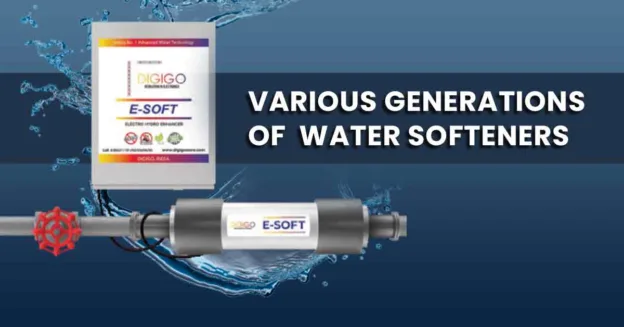
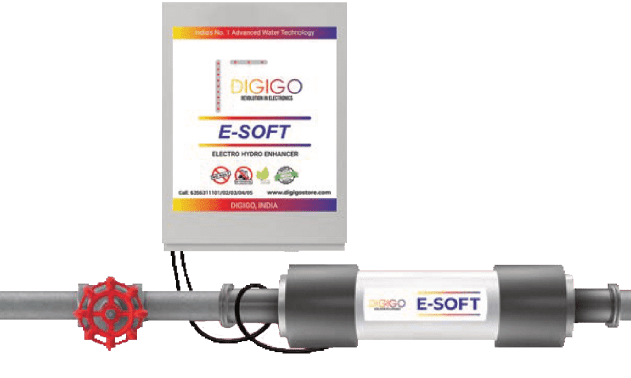
A residential E-Soft is a household water softener appliance designed to reduce the hardness of water by breaking as well as neutralizing minerals such as calcium and magnesium ions.
landing digio machin

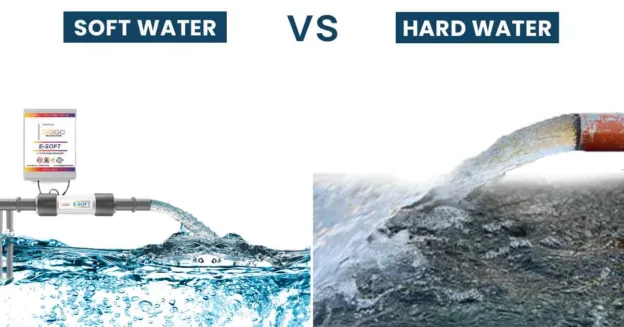
The Digigo E-Soft usually treats the Hard Water from tap and converts it into soft water. Soft water is best for Residential usage as the soft water is m6ore beneficial compared to hard water.ย Here we explain Hard water disadvantages and Soft water benefits.

Hard Water Disadvantages

Hard water problems such as scale buildup in plumbing and appliances, soap scum on surfaces, reduced soap effectiveness, and damage to water-using appliances. To solve these problems we have made a product that is prominent for your usage Digigo E-Soft, the ideal water softener for your home. 

Hard water is harsh for your skin and for your hair too. Soft water can be used for bathing which will give great results compared to Hard Water. Have sensitive skin? Donโ€™t want skin itching? Donโ€™t want skin irritation? Use Digigo E-Soft. 

Hard water can destroy your pipes by building a limescale on it. Soft water makes the flow of water from pipes smooth and vanishes the limescale that had happened earlier. This will save your money for maintenance and plumber. This will benefit you in the long run. 

Advantages of Soft Water

With soft water, you can keep your bathroom clean. How, you ask? Soft water avoids lathering to occur resulting in a proper cleaner bathroom. Soaps and shampoos lather more easily in soft water, so youโ€™ll need less soap for bathing and cleaning. The formation of scales in bathrooms or washrooms can be stopped with the help of Digigo E-Soft. 

With the help of Digigo E-Soft you can increase the life of your water heater, moreover, it will work smoothly and more efficiently. There will be great savings in the electricity bill too as the energy required to heat the Soft Water is less compared to the Hard Water. 

Who doesnโ€™t like Soft and bright colored clothes? With Soft Water from Digigo, youโ€™ll get soft clothes as well as clothes that are bright in colors. Soft water is gentler on fabrics, and it can help your laundry detergents and soaps work more effectively. As a result, your clothes will be cleaner, softer, and maintain their color and quality for longer. 

Hard Water contains several impurities in it which makes the work of cleaning difficult, The soft water is gentle and can easily remove dirt from floor as well as from utensils. Soft water has been proven highly effective in cleaning as well as washing as compared to Hard water. Study shows that Soft water used to water the plants is better as the harshness of Hard Water will not be there and the plants will get smooth water which will boost their growth and result in greener plants. 

Soft water is better for hair too. Bathing with hard water can result in baldness. Soft water nourishes hair roots and helps them grow longer. Moreover, it saves skin from burning that can be caused by Hard Water. 

So, now the choice is yours, Hard water or Soft water? Want to take benefits of Soft water and make a soft living or face problems by using the harsh Hard water. Which one are you gonna choose? Ease living or turf living? 

Get soft water for your home with Digigo E-Soft Water Softener for Home.
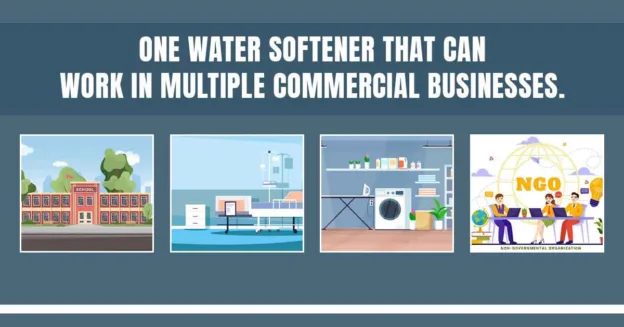
Commercial Water Softener for Businesses

Benefits of Commercial Water Softener : The Ideal Choice for Small Businesses

Digigo E-Soft Commercial Water Softener

Digigo is Indiaโ€™s first ethnic water softener system, it converts hard water into soft water, developing its quality and making it better, Digigo E-Soft provides numerous benefits. We are proud to say that we are Made in India. We work in four sectors namely Agriculture, Commercial, Industrial and Residential sector. This was a little brief about who we are. Now let us tell you why Digigo E-Soft is best Commercial Water Softener.ย 

Digigo E-Soft can give you several benefits commercially, like it can save your plumbing costs, How? You ask? Hard water can destroy your pipes, creates problems like water choking, water logging, and many more. Moreover, it can vanish the quality of your pipes that is where Digigo will help you. It will convert your hard water into soft water like a piece of cake so that your pipe remains healthy. It will also reduce the need for harsh chemicals and detergents. Saving your extra cost. Reduction in usage of chemicals and detergents can also be extra beneficial if you are in hospitality or medical services. 

How will it benefit restaurants and cafes? 

Digigo Commercial Water Softener will convert the water into soft water which will be safe and contain minerals. The water used for Dish washing or making food will not be harmful but will be beneficial, making your commercial quite reputable, if you use better quality of water which can prevent diseases from occurring. That means an increase in hygiene.ย  In cleaning also, the soft water will show better results in cleaning utensils as well as floors.ย 

How will school benefitted? 

Schools will be benefited a lot with the installation of commercial water softener system Esoft as the students will get to drink clean, fresh Soft Water which will be beneficial for their health rather than drinking mineral less RO Water.ย 

How will Hospitals benefit? 

Soft Water has been found more effective in the cleaning procedures. In hospitals it is necessary to maintain cleanliness, for that E-Soft Commercial Water Softener can act as your partner. The soft water will clean properly as well as maintain hygiene. That means the indirect help to cure patients or to save them from getting disease caused by others.ย 

How will it benefit laundry? 

Hard water can degrade the quality as well as the condition of clothes. Water from our product will soften the water making it suitable for your lovely outfits. Laundry Market is highly benefited by water Softener as it maintains the quality of clothes, extends their lifespan, takes care of linen of clothes and many more. It also saves a lot of money as less detergent will be required, less energy, less chemicals for clothes, which will save a fortune. Soap scums will be less and mineral deposits on sinks will be reduced too. Moreover, the lifespan of washing machines will be increased as the scale formation due to Hard Water will be stopped, resulting in better usage of machinery. 

How can NGOs be benefitted? 

NGOs are non-profitable organizations which work for communities. But they require some costs to maintain the place. With the installation of E-Soft commercial soft water systems, the costs will be reduced rapidly. The Soft Water used for cleaning will give effective results and the Soft Water used for cooking will make the food more tastier. The plumbing cost as well as plumbing problems will be reduced due to Soft Water. The heating cost will also be reduced as the Soft Water is easily heated and also preferable compared to Hard Water.ย 

So, are you convinced to use Digigo E-Soft? Or Do we need to say more?

Benefits of esoft water softener for industries

7 Benefits of Digigo Industrial Water Softener

Digigo Industrial Water Softener Reduces Chemical Corrosion:

Digigo E-Soft Industrial Water Softener will reduce the chemical corrosion on your machinery as the water will be purified into soft water resulting in reduction of corrosion. Unnecessary chemicals will be removed from water which will help your machine parts maintain the desired quality over the time period.ย 

Our Industrial Water Softener will Improve Your Machineโ€™s Efficiency:

Our water softener will help you soften the hard water so that your machineโ€™s efficiency is well maintained. Moreover, E-Soft keeps the heat transfer surfaces free from scale allowing the systems to operate under optimal design conditions. E-Soft will work continuously to maintain your industrial efficiency and to maintain as well as develop it. 

Digigo Water Softener Extends Life of the Machinery:

Due to hard water the life of your machinery reduces, it gets down with time. But with Digigo E-Soft your machines will live longer than the usual life as the soft water will nourish the machine resulting in better work in addition to a longer life. Scaling can reduce the efficiency of heat exchangers, boilers, and other machinery, but soft water minimizes these issues. Soft water will prevent machines from getting scale which results in longer and better quality of machine life. 

E-Soft Industrial Water Softener System Prevents Bacteria:

With the help of Digigo Industrial Water Softener you can save your machinery from getting algae and bacterias. Several bacterias are born due to Scales made by Hard Water which can cause various problems. Digigo E-Soft eliminates scales which will indirectly eliminate the algae and bacterias that can cause harm in parts of machines which can result in severe costs. The modified calcium crystals and higher cycles of concentration help to retard algae and biofilm formations which can save a lot of time and money to compensate for the repair.ย 

Digigo E-Soft Removes Existing Scale on the Surface:

Not only will Digigo E-Soft stop the algae from coming, it will also remove the existing scale from the surface of the machine which will be helpful for you. Our product can remove the stubborn scale within weeks and will make sure your machine will never have to experience scale or any other bacteria EVER.ย 

Digigo E-Soft Prevents Scale Automation:

Digigo E-Soft is capable of reducing the scale automation to 0%. It will modify scale forming particles so that they do not leave any scales in pipe, tube, jets and water heating surfaces. This will reduce maintenance cost. This can reduce your downtime which means more production, yayyyy. 

Digigo Water Softener for Industry Takes Care of Mother Earth:

Everyone wants mother earth to remain healthy, similarly Digigo E-Soft is always working on reducing water wastage and purifying harmful water. Our product does not add anything to the water making it non complex. Digigo E-Soft is eco-friendly, it treats the hard water problems in such a way that you donโ€™t require any chemicals.Digigo reduces water pollution and air pollution, this seems like a gift to Mother Earth, doesnโ€™t it? How is it beneficial for you, you ask? Your reputation in the market will increase as you are opting for eco-friendly products, you are promoting eco-friendliness, you are thinking about Mother Earth and taking care of Mother Earth. It will act as a positive goodwill for your reputation in the market, among the customers as well as competitors. 

How to choose best water softener for home

Factors to Consider When Choosing the Best Hard Water Softener for Home

For centuries, people relied on natural water sources like wells, rivers, and lakes for their daily water needs. These sources had generally clean and safe water to consume directly. Because this water contained less amount of hard minerals. 

However, as years by years, the population grew and industrialization led, these natural water sources became polluted by chemicals and higher levels of dissolved minerals in the water. Suddenly, the water we used for drinking, cooking, bathing, and cleaning was no longer as pure as before. Hence the need for water softener for home emerged.

Hard Water Damage to Our Homes:

Today, municipal water systems treat water to remove many polluting substances before they reach our homes. But this treatment is not enough to remove all dissolved minerals that cause water to be “hard.” Hard water contains high levels of calcium and magnesium that can create issues in every household. These issues are majorly affecting our health, grooming, plumbing and water using appliances like washing machines, dishwashers, geysers, etc. 

Kitchen: 

Our health starts with the kitchen because “we become what we consume”. Firstly it starts from drinking water. We are consuming hard minerals directly without any mineral filtration. Installing a water softener for home can help filter out these minerals. Then washing vegetables and fruits, cooking, and at the end dish washing with softened water. If water plays this much important role in the kitchen, then think how much it can affect our health if the water itself is not safe? A quality water softener for your home provides safe, mineral-free water for all your household needs.

Hygiene and Cleaning: 

Have you ever thought before choosing the right bathing soap and shampoo? Then why the water is not bothering you which is the most essential of all? 

Not only this, the clothes you are wearing, the washrooms you are using, the showers, taps and what not! You are being attacked by hard water from every corner of your home. To combat the stains, soap scum, and scale buildup caused by hard water in your bathroom, a hard water softener can transform regular hard tap water into softened water, leaving your tubs, tiles, and fixtures cleaner and easier to maintain.

Water Using Appliances: 

Hard minerals make the water sticky. Hence the water minerals stick to the pipes and the parts of the appliances. Hard water minerals clog the pipes and kill the plumbing with corrosion. It damages the efficiency of the machines and eventually, they start consuming more energy and electricity. 

Hard water softener for your washing machine can significantly reduce mineral buildup and improve cleaning performance by allowing detergents to be more effective. Even after consuming too much energy and repairing costs, they don’t give effective results. 

Geysers using soft water automatically get longer life because E-Soft keeps the heating tanks cleaner from inside and saves energy.

Factors to be Considered while Choosing Water Softener for Home

Water Hardness Level: 

The first step in choosing the right hard water softener for home is to determine just how hard your water is. Water hardness refers to the amount of dissolved calcium and magnesium minerals and is measured in grains per gallon (GPG).ย 

Understanding your exact GPG hardness level is important because it determines the capacity required for your water softener system. Higher hardness levels mean more mineral removal is needed. 

There are a few ways to test your water hardness level at home: 

  1. DIY Water Test Strips – Inexpensive test strips allow you to dip a small sample of your water and visually analyze the colour change to estimate hardness on a basic scale. 
  2. Professional Testing – Many water softening treatment companies offer free in-home water testing services to precisely measure hardness levels and other factors affecting your water quality. 

Size of Home: 

The size of your home is another key factor that impacts what type and capacity of water softener you will need. Larger homes with more bathrooms, appliances, and occupants will require a system that can handle greater water demands. Having an undersized tank for the water demands of your home will lead to reduced effectiveness. 

Budget: 

Budget is always an important aspect to be considered when making any major home purchase or upgrade. Water softener for home can range widely in price based on the type, size, and features. Beyond just the upfront machinery costs, some ongoing operational expenses affect your budget planning like salt or potassium pallets, electricity usage or maintenance. When considering budget, it’s wise to look at long-term cost savings. Softened water helps appliances last longer, lowers detergent costs, and even reduces costly plumbing repairs. 

Efficiency of Water Softener: 

Digigo Water Softener for Home efficiency relates to how well the system removes the hardness of minerals while minimizing water usage. More efficient models save you money over time. Higher efficiency equals lower operating costs for the lifetime of the softener.ย 

Maintenance: 

Proper maintenance is essential for ensuring your water softener operates at peak performance for many years. Many softeners demand salt or potassium monitoring, filter changes, periodical cleaning, resin recharge, or professional servicing. These maintaining functions consume your time, money and most important your comfort and peace. 

Which Water Softener is Best for Home?

You must be thinking now that it is too much complicated to choose the right water softener according to your needs and budget without compromising on quality and efficiency. Yes, we agree on this. That is why we have been working tirelessly for years to find the right water treatment solution that can match your needs. 

After doing 7 years of research and development we have found the right solution. You must be thinking how can we say this out of this confidence? 

Digigo Water Softener for Home only one in the globe who has cracked the hard water code with the highest efficiency of 100%. E-Soft is invented, manufactured and launched by DIGIGO; truly Made-in-India. The scientific name of E-Soft is Electro Hydro Enhancer. This water softener works on the principle of low-frequency electronic pulses. To know the invention, development and technology behind E-Soft read our blog [link].ย 

Let’s find out how we solve the diverse hard water problems with just one water softening system. 

Advantages of E-Soft Water Softener For Home: 

  1. E-Soft Water Softener for Home breaks down the bigger size hard minerals into microns so that the particles of minerals do not stick inside the pipes. Not only that E-Soft is the only water softener that clears the existing scale buildup from pipes and keeps the plumbing system always clean and flowing.ย 
  2. Electric and gas geysers are the most sensible appliances for homes because they are the most destroyed by hard water. By cleaning the heating and cooling appliances from the inside E-Soft water softener saves money, energy and electricity. 
  3. Soft water dissolves easily with soap creating better foaming. Eventually, the cleaning process becomes easy and effective. You save 50% on cleaning agents like soap, detergent, acid or dish washing liquids. You achieve the best hygiene and cleanliness because soft water leaves no stains on surface after mopping, no water spots on dishes after washing and no detergent stiffness after drying clothes. 
  4. No more dirty bacterial bathrooms and toilets! E-Soft removes algae and yellow stains caused by hard water from tiles and toilets. It saves you time and effort in cleaning and maintaining hygiene. 
  5. Hardness of water sticks to the scalp and damages hair follicles; which results in hair damage and hair fall. Apart from that, washing clothes and bathing with hard water may also cause skin problems. Installing E-Soft water softener for your shower can result in softer skin and hair, reduced soap, shampoo and oil usage, and easier cleanup of soap scum and mineral deposits from your shower heads and taps.
  6. Using E-Soft Whole house water softener can save cooking fuel. Food cooked with soft water takes less time and fuel. This helps you cook healthy and tasty meals faster.ย 
  7. Is your home garden wilting and diseased? Then you need an E-Soft water softener. Soft water keeps plant roots healthy and strong, helping plants grow better. This reduces the need for pesticides and fertilizers. It also increases greenery in plants and saves 50% water usage.

Invest in Comfortable Home

Investing in a quality water softener is a smart decision. While there are many options on the market, E-Soft stands out as a highly efficient and low-maintenance solution developed right here in India. By following the key factors outlined – like assessing water hardness, home size, budget, and maintenance needs – you can find the perfect water softening system for your household. Take control of your home’s water quality today with E-Soft. Make the switch for a healthier comfortable home.

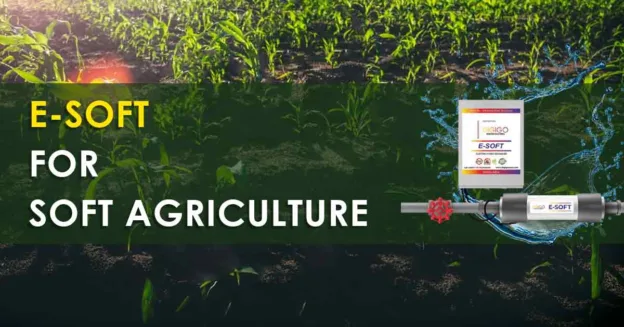
E-Soft Agriculture water softener.

Why Digigo ESoft is the Best Agriculture Water Softener in 2024?

Normal water used in agriculture is considered as hard water, which can destroy your precious plants/crops and soak away the beneficial nutrition from it. That is when Digigo E-Soft Agriculture water softener can act as a superhero. Our product can easily convert your hard water into soft water within a few seconds. This soft water will soothe your plants and will help them grow rapidly. Hard water to soft water converter for agriculture E-Soft can increase the lifespan of your plant and can increase yield up to 50%*. It will also save many liters of water.ย 

How will it save water usage?

Water is really valuable especially in the agriculture sector because all the production depends on the water. All the in take depends on water. The usage of water is high in the agriculture sector. But in some regions the water is not densely available. Many liters of water go into waste in agriculture. But our product can save water. When our product will convert hard water into soft water, the soil will get fertilized as well as the carbon content will be improved from the soft water, resulting in less water requirement saving tons of money. 

How will it save money?

Our soft water will help you save a lot of money as our product will make your soil healthy as well as fertilized which will result in less requirement of fertilizer and less usage of water which will result in huge savings of money. It will also balance the pH level of water which will result in high quality soil. 

Why is it important to balance the pH level of water?

The pH level of water is required to be balanced in order to make soil nourished and to avail proper nutrients from soil. Moreover, you’ll get greener plants, with better quality of life and extra nutrients which will be beneficial for consumerโ€™s health. Nutrients will not dissolve if the soil is too acidic in nature. To get the best quality of plants you are required to maintain the pH level of soil. To maintain the pH level of soil you require Digigo E-soft water softener for agriculture.ย 

What would happen if the pH level of water is not balanced?

If the pH level of water is not balanced or not properly maintained it will create a ruckus resulting in unhealthy crops, reduced production, soil defamation and many more problems. It will severely damage the crop and reduce essential nutrients from it. Moreover, the quality of production will be less and the quantity too. In simple words, if you compromise the pH of soil you will indirectly compromise the quality and quantity of your crops/plants. 

Why is E-Soft Agriculture water softener suitable for your plants?

Digigo is Indiaโ€™s only manufacturer of advanced Water Softener System technology E-Soft, which breaks down minerals and converts active ions into neutral form resulting in an efficient product for your precious plants/crops.

Agriculture water softener

Our product will encourage your plants and will help them grow greener and make their roots stronger. If you love your plants you are definitely gonna love Digigo E-Soft.ย ย 

Why shouldnโ€™t you use Digigo?

  1. If you don’t support made in India products. 
  2. If you donโ€™t want healthy plants. 
  3. If you want to waste water. 
  4. If you want to destroy your soil. 
  5. If you want bad quality of plants.ย 
  6. If you want to reduce your production.ย 

Why should you use Digigo? 

  1. Reliable 
  2. Trust 
  3. Made in India 
  4. Best in market 
  5. Farmer approved 
  6. Great results
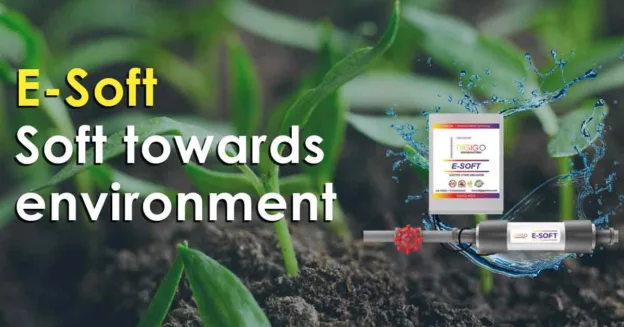
Eco-Friendly Water Softener Esoft

Eco-Friendly Water Treatment: DIGIGO E-Soft

Why the Problem of Hard Water Emerged?

Over the years, hard water has become a major issue across the world. Hard water contains high amounts of minerals like calcium and magnesium. As population and construction have increased, groundwater sources have become contaminated with these minerals from soil and rocks. With more people and less usable water, this creates big problems.

The government has known about this since the 1970s. Studies found that 70% of household people deal with hard water issues. But more progress has yet to be made in solving the problem. Consumer-level water-softening solutions are greatly needed!

Hard Water Effects on Various Sectors

Agriculture

The bigger size calcium and magnesium minerals stick to the surface of the soil. Hence they stop the necessary nutrition to reach the roots of crops. Eventually, roots become weak and the plants stop growing. Because of weak roots plants get diseased and therefore farmers often have to use more fertilizers, pesticides and insecticides which increases costs. Minerals in hard water can reduce wheat and rice crop yields by 25-60% compared to soft water. The minerals also build up in the pipes, sprinklers, and drippers hurting the whole irrigation system.

Residential

In urban and rural homes, hard water leaves mineral deposits on sinks, bathrooms, taps, showers and appliances. It clogs pipes and makes soaps less effective. Women face most of this work burden. Many families also don’t like the taste of hard water for drinking and cooking. They have to buy bottled water. Household wastes huge amounts of money to solve hard water problems in their homes.

Commercial

From hotels and restaurants to hospitals and schools, hard water causes complications for the commercial landscape. Guests expect high quality water for bathing, laundry, and food/beverages. Medical facilities require purified water for dialysis, equipment sterilization, and medications. Buildup in large-capacity heating, ventilation, and AC systems leads to high repair costs. Water quality impacts customer perceptions and increases operating expenses across sectors.

Industrial

Factories and infrastructure rely heavily on water. But over time, untreated hard water corrodes metal pipes, boilers and cooling tanks. This causes breakdowns, expensive replacements and lost productivity. Manufacturing quality also needs to improve with properly softened water. Overall, hard water greatly increases production costs and energy bills.

Growing Water Crisis

Experts warn that water problems will get much worse in the next 15-20 years if major investments are not made soon. Failed monsoons, climate change, pollution and overusing limited water supplies all put more pressure on the little usable water that remains.

Demand for drinkable water is expected to be twice as high as the supply by 2030 when India’s population will exceed 1.5 billion. Groundwater, which currently provides 40% of India’s water, is running out in major states like Punjab, Rajasthan and Maharashtra. What little is left will have more contamination as groundwater levels sink deeper.

Surface water will become more unpredictable and get more polluted too, making it unfit for drinking or farming over huge areas. Over 600 million people may face extreme water shortage, with no usable water available nearby. This will cause major public health issues from lack of clean water for drinking and sanitation.

Initiatives for Clean Water

Many new efforts across the world aim to develop and expand technologies to detect, treat, and monitor water quality issues in urban and rural areas.

Past large-scale water softening efforts did not sufficiently reach many households needing it. They lacked widespread access, efficiency, and rural reach.

1st Generation: Salt-Based Softeners

The earliest water softeners from the 1900s used salt to remove hardness minerals like calcium. But they created waste and needed maintenance.

2nd Generation: Ion Exchange Resins

In the 1950s, resins were developed to replace salt for softening. They also removed hardness but needed occasional regeneration.

3rd Generation: Magnetic Water Treatment

In the 1980s, magnets supposedly rearranged molecules to reduce hardness. However their effectiveness was disputed, only reducing around 20% hardness.

4th Generation: Computerized Conditioners

In the 2000s, automated magnetic conditioners improved effectiveness to around 50%. However, questions remained about long-term impacts.

New water testing tools are helping detect quality issues. And technologies continue improving softening effectiveness. But further innovations are still needed for sustainable, widely accessible solutions.

DIGIGO E-Soft: 5th Generation of Water Softener

E-Soft signifies Indian R&D matching global water treatment innovation for national challenges.  Digigo developed the E-Soft water softener system, using customized low-frequency electronic pulses to break the bigger size minerals into microns and soften water. It unlocks the full potential of electronic softening for clean water across applications. With its breakthrough Made in India E-Soft water softening technology, Digigo sets a new standard in sustainable softening without the limitations of past generations.

E-Soft pulses interact with hard minerals like calcium to permanently neutralize their charge. It achieves 100% softening without removing dissolved solids. The water retains nutrition and flows freely without scale buildup. E-Soft water softener needs no chemicals, salt or consumables, making it eco-friendly. It requires less maintenance, saving users time, effort and money.

E-Soft: Environmental Sustainability

E-Soft water softener transforms hard minerals into plant nutrients, eliminating fertilizers. This enables chemical-free agriculture with softened water. Runoff also prevents pollution and improves soil health.

In homes, E-Soft water softener for home prevents scale buildup, improving appliance performance. This saves up to 30% of water and electricity wasted on hard water damage yearly.

For companies, E-Soft extends system and machine life by protecting against damage. This conserves resources by delaying replacements and reducing manufacturing and scrapping.

Most importantly, E-Soft maximizes the usability of available water supplies, easing the strain on groundwater. Better quality water access also strengthens community climate resilience and health.

Join the Green Water Revolution

As India struggles with intersecting hard water prevalence and sustainability challenges, the E-Soft water softening system presents a timely innovation to simultaneously tackle environmental pressures and uplift household access to softened water’s benefits. By pioneering sustainable electronic water softening, E-Soft ushers in a new era for eco-conscious water treatment.

Saving, Sustaniblity, Soft Water with Agriculture water softener

The Triple S with E-Soft: Savings, Sustainability, and Soft Water

DIGIGO is an Indian electronics company that has worked for over 7 years to develop innovative water softeners and filters for hard water treatment made-in-India. Leveraging the expertise of top Indian engineering talent, DIGIGO set up an R&D division to study pioneering international water softening technologies, identify potential gaps and conceptualize context-appropriate electronic water softeners.

This extensive research along with complete in-house production control has enabled DIGIGO to achieve Japanese quality benchmarks for made-in-India soft water solutions. Committed to bringing a revolution in intelligent water softening tailored for Indian requirements, DIGIGO is emerging as a global Indian corporation – with nationwide service centers and an expanding portfolio of useful soft water and hard water treatment offerings designed for diverse sectors.

The most recent outcome of DIGIGOโ€™s relentless efforts is E-Soft โ€“ the worldโ€™s most technologically advanced electronic water softener and eco-friendly hard water softener. Years of scientific study on water systems DIGIGO led to the engineering of an electronic water softening system that effectively breaks down the bigger size minerals into microns and eliminates scale formation from hard water. E-Softโ€™s benefits span across agriculture, residential, commercial and industrial settings. With E-Soft intelligent water softener, DIGIGO aims to drive Indiaโ€™s green water revolution.

Triple S with E-Soft Water Softeners: Soft Water, Savings and Sustainability

Savings

The economic benefits of installing advanced water softener E-Soft across agricultural, residential, commercial as well as industrial settings – making it a financially wise decision.

In agriculture, E-Soft water softener breaks down the bigger size mineral content to the level of microns in water to provide essential nutrients like oxygen, nitrogen, calcium and magnesium directly to the roots of the plants. This lowers the need for external pesticides and insecticides. It also reduces irrigation system maintenance costs. Crops get better nutrition through water, improving quality and yield. This results in increased farmer incomes by 50%.

E-Soft water softener for home reduces the use of cleaning agents by up to 70% as water flows scale-free and easily creates foam. It also prevents scale build-up in appliances and pipes. This saves money spent on fixing damages due to hard water deposits over time.

Commercial places also save money by installing E-Soft. It lowers the need for descaling chemicals. It also reduces expenses to repair or replace equipment that uses hard water. This is because E-Soft prevents scale build-up. Daily cleaning cospesticidests also fall.

Industries also save a lot with E-Soft hard water softener. It reduces energy bills, operating expenses and machine maintenance costs significantly by providing softened water. This is because E-Soft prevents scale formation. So industrial systems become more efficient.

It is clear that E-Soft saves money across sectors – be it farms, apartments, hotels, hospitals or factories – while tackling their hard water problems.

Sustainability

E-Soft enables sustainability through eco-friendly design made for India.

In agriculture, E-Soft stops the need for harmful pesticides by providing nutrients through water. This reduces air and land pollution. As an electronic water softener, E-Soft treats minerals within the water flow, preventing water wastage.

In homes, E-Soft improves the efficiency of water appliances by preventing hard water scale. This saves water and electricity.

Similarly in commercial and industrial places, E-Soft increases the lifespan of systems using by stopping scale. This cuts natural resource usage and carbon footprint due to fewer replacements.

By supplying softened water, E-Soft tackles water scarcity, pollution and climate change effectively. 

Soft Water Comfort

Specialized water softener E-Soft greatly improves the quality of life by changing the water composition entering farms, homes, institutions and industries.

E-Soft water softener enables longer gaps between two waterings in agriculture, easing farmer labour.

E-Soft water softener for homes reduces time and effort in cleaning and gives brighter, stain-free tiles, taps, kitchens and bathrooms. Soft water is also gentle on the skin and hair.

In hospitals, hotels, schools etc., E-Soft gives enhanced cleanliness, hygiene and scale prevention through soft water โ€“ which is vital for health and trust.

Industrial units also improve functioning and output quality as E-Soft prevents machinery pipes, cooling towers and boilers from scaling by suitably softening hard water.

Difference Between E-Soft and Other Water Softeners:

ParametersInternational ConditionerNational ConditionerE-Soft Electro Enhancer
Power ๐Ÿ‘‰2000 TDS2000 TDS5000 TDS
Technology๐Ÿ‘‰Impulse TechnologyImpulse TechnologyRFM+SM+EC
Result๐Ÿ‘‰Taste doesnโ€™t changeTaste doesnโ€™t changeTaste Changes 10-15%
Design๐Ÿ‘‰OpenOpenClose
Life Duration๐Ÿ‘‰20 Years10 Years30 Years
Quality of Raw Material๐Ÿ‘‰StandardLocalStandard
Price๐Ÿ‘‰Too HighLowMedium

E-Soft has succeeded in achieving a comfortable lifestyle for human beings in all sectors. Here we have simplified the difference between the most advanced, worldโ€™s no.1, 5th generation hard water treatment: E-Soft (Made-in-India) and the other water softening treatments by different parameters.

DIGIGO’s innovative electronic water softener E-Soft brings triple benefits – savings across sectors through reduced operating costs; sustainability via lowered pollution and resource use; and lifestyle comfort with scale-free water. Built specifically for Indian conditions using global expertise and local R&D, E-Soft effectively tackles hard water issues in farms, homes, institutions, hospitals and industries through advanced technology that conditions water by breaking down minerals. Compared to available alternatives, data shows E-Soft excels on key parameters including power, longevity, quality and affordability. Thereby, E-Soft establishes India’s capabilities in green innovation.

Moden Agriculture with Agriculture Water Softener

From Seed to Harvest: How E-Soft Agriculture Water Softener Empowers Modern Agriculture

For generations, Indian farmers have contended with the challenges of hard water in their fields. These hidden minerals, while seemingly innocuous, pose a significant threat to soil health, crop yields, and ultimately, farmerโ€™s income. Fortunately, innovative solutions like E-Soft’s Hard water to soft water converter for agriculture are emerging to rewrite the story, offering a path towards sustainable and bountiful harvests.ย 

Letโ€™s learn the role of E-Soft in the six steps of farming from ploughing to harvesting. E-Soft Agriculture Water Softener can transform the whole of farming along with doubling the income of farmers.

Impact of Agriculture Water Softener in Farming

Soft Water Ploughing

The journey begins with ploughing the land. Hard water, with its high mineral content, can clump soil particles, making it difficult to achieve a fine, even tilth. E-Soft Agricultural Water Softener comes to the rescue by providing soft water, which effortlessly mixes with soil, making it porous and breathable ensuring optimal seedbed preparation and laying the foundation for healthy plant growth.

Nurturing Seeds 

Sowing seeds is an act of hope. However hard water can hinder this hope by reducing the soil’s ability to retain moisture. E-Soft water softener changes the game. By providing soft water, it enhances the soil’s water-holding capacity, ensuring vital moisture, allowing oxygen and nitrogen to reach the newly planted seeds, promoting germination and fostering vigorous seedling development.

Nutrients with Soft Water

The claim that soft water eliminates the need for fertilizer entirely is a topic of ongoing research and debate. Softened water can indeed improve nutrient uptake by plants. However, there’s no denying the benefits of E-Soft water softener in enhancing land fertility. E-Soft breaks down the minerals into 0.5 microns and this way minerals do not block the surface. The same minerals that were a nuisance are now converted into fertilizer. Due to the availability of nutrients such as Calcium, Magnesium, Oxygen, and Nitrogen in the water; the plant reduces the need for outside nutrients. E-Soft reduces overall 70% of the fertilizer requirements.

Efficient Irrigation

Irrigation is the lifeblood of agriculture, and hard water can be its silent destroyer. Minerals accumulate in pipes and equipment, hindering water flow and reducing irrigation efficiency. E-Soft water softener acts as a guardian, preventing salt build-up and keeping pipes clean. This ensures smooth water flow, optimizes sprinkler and drip irrigation performance, and minimizes water wastage. E-Soft has succeeded in saving a crucial resource in today’s world: WATER!

Protecting Your Crops

Hard water acts as a breeding ground for fungal and bacterial diseases. Excess mineral content creates an ideal environment for the emergence of these diseases, which lead to leaf spots as well as yellow spots, root rot and other plant diseases. After watering with E-Soft, plants get nutrients like Oxygen, Nitrogen, Calcium and Magnesium from the water itself. Hence the crop plants become stronger and the immunity of the crop increases which eventually keeps plants healthy by preventing the yellowing of crop plants.

Maximizing Your Harvest

Hard water doesn’t stop at pipes. It can also impact plant health, leading to yellowing and stunted growth. Soft water, on the other hand, promotes vibrant foliage and robust plant development. By combating the harmful effects of hard water, E-Soft water softener strengthens the roots of the crops and the immune system of the plants has been increased. Eventually, it improves crop quality and productivity by 10% to 50%. Overall, E-Soft agriculture water softener can be a valuable tool for farmers who are looking to improve their crop productivity and profitability.

Increased Income and Sustainability

The culmination of these benefits lies in the harvest. By nurturing soil health, enhancing water utilization, and promoting healthy plant growth, E-Soft Agriculture water softener paves the way for bountiful harvests. This translates to a 50% increased income for farmers, empowering them to invest in further agricultural development and ensure the sustainability of their land for generations to come.

Future of Agriculture with E-Soft

Investing in E-Soft water softener for agriculture is not just about acquiring a product; it’s about embracing a future of sustainable and efficient agriculture. By harnessing the power of soft water, you can till with ease, nurture your seeds with confidence, unlock the full potential of your soil, and reap the rewards of a flourishing harvest. Contact us today and discover how E-Soft can transform your farm from the ground up.

Change Water Chnage Farming with Agriculture Water Softener

เช‡-เชธเซ‹เชซเซเชŸ เชตเซ‹เชŸเชฐ เชธเซ‹เชซเซเชŸเชจเชฐเชจเซ€ เชฎเชฆเชฆเชฅเซ€ เชชเชพเชฃเซ€ เชฌเชฆเชฒเซ‹, เช–เซ‡เชคเซ€ เชฌเชฆเชฒเซ‹!

เชธเชฟเช‚เชšเชพเชˆ เช…เชจเซ‡  เชชเชพเชฃเซ€

เชถเซเช‚ เชคเชฎเซ‡ เช•เซเชฏเชพเชฐเซ‡เชฏ เชตเชฟเชšเชพเชฐเซเชฏเซเช‚ เช›เซ‡ เช•เซ‡ เชถเชพ เชฎเชพเชŸเซ‡… 

  • เช–เซ‚เชฌ เชฎเชนเซ‡เชจเชค เช•เชฐเชตเชพ เช›เชคเชพเช‚, เชชเชพเช• เชคเซ‡เชฎเชจเซ€ เชธเช‚เชชเซ‚เชฐเซเชฃ เช•เซเชทเชฎเชคเชพเช เชŠเช—เซ€ เชถเช•เชคเซ‹ เชจเชฅเซ€? 
  • เชถเชพ เชฎเชพเชŸเซ‡ เชคเชฎเชพเชฐเชพ เช›เซ‹เชก เชจเชฟเชฐเชพเชถเชพเชœเชจเช• เช‰เชชเชœเชฎเชพเช‚ เชกเซ‚เชฌเซ€ เช—เชฏเชพ เชนเซ‹เชฏ เชคเซ‡เชตเซเช‚ เชฒเชพเช—เซ‡ เช›เซ‡?
  • เชถเชพ เชฎเชพเชŸเซ‡ เชตเชพเชฐเช‚เชตเชพเชฐ เชธเชฟเช‚เชšเชพเช‡ เช•เชฐเชตเชพ เช›เชคเชพเช‚ เชœเชฎเซ€เชจ เชถเซเชทเซเช• เชฅเชˆ เชœเชพเชฏ เช›เซ‡?

เช†เชจเซ‹ เชœเชตเชพเชฌ เช›เซ‡ เชชเชพเช•เชจเซ‡ เชชเซ‹เชทเชฃ เช†เชชเชจเชพเชฐเชพ เชชเชพเชฃเซ€เชฎเชพเช‚…

เชจเชฟเชฐเชพเชถ เชจ เชฅเชพเช“! เช† เชฌเซเชฒเซ‹เช— เชคเชฎเชพเชฐเซ‹ เชฎเชพเชฐเซเช—เชฆเชฐเซเชถเช• เช›เซ‡. เช…เชฎเซ‡ เชคเชฎเชจเซ‡ เชฌเชคเชพเชตเซ€เชถเซเช‚ เช•เซ‡ เชนเชพเชฐเซเชก เชตเซ‰เชŸเชฐ เชธเชฎเชธเซเชฏเชพเช“เชจเซ‡ เช•เซ‡เชตเซ€ เชฐเซ€เชคเซ‡ เชถเซ‹เชงเชตเซ€, เชคเซ‡เชจเซ€ เชฏเซเช•เซเชคเชฟเช“ เชธเชพเชฎเซ‡ เชฒเชกเชตเซเช‚, เช…เชจเซ‡ เชคเชฎเชพเชฐเชพ เชงเซ‚เชณเชตเชพเชณเชพ เช•เซเชทเซ‡เชคเซเชฐเซ‹เชจเซ‡ เชธเชฎเซƒเชฆเซเชง เช–เซ‡เชคเซ€เชฎเชพเช‚ เชซเซ‡เชฐเชตเชตเซเช‚. 

เชธเช–เชค เชชเชพเชฃเซ€เชจเชพ เชชเชกเช•เชพเชฐเซ‹ 
เชธเชฟเช‚เชšเชพเชˆเชฎเชพเช‚ เช•เซเชทเชพเชฐ: 

เชœเซเชฏเชพเชฐเซ‡ เชคเชฎเซ‡ เช–เชพเชฐเชพ เชชเชพเชฃเซ€เชฅเซ€ เชธเชฟเช‚เชšเชพเชˆ เช•เชฐเซ‹ เช›เซ‹ เชคเซเชฏเชพเชฐเซ‡ เชคเชฎเซ‡ เช•เชฟเช‚เชฎเชคเซ€ เช›เซ‹เชกเชจเซ‡ เชฎเชพเชคเซเชฐ เช•เซเชทเชพเชฐ เช†เชชเซ€ เชฐเชนเซเชฏเชพ เช›เซ‹. เช–เชจเชฟเชœเซ‹, เช–เชพเชธ เช•เชฐเซ€เชจเซ‡ เช•เซ‡เชฒเซเชถเชฟเชฏเชฎ เช…เชจเซ‡ เชฎเซ‡เช—เซเชจเซ‡เชถเชฟเชฏเชฎ, เชคเชฎเชพเชฐเซ€ เชœเชฎเซ€เชจเชฎเชพเช‚ เชฎเซ€เช เชพเชจเซ€ เชœเซ‡เชฎ เช•เชพเชฐเซเชฏ เช•เชฐเซ‡ เช›เซ‡. เชœเซ‡ เชฎเซ‚เชณเชฎเชพเช‚เชฅเซ€ เชญเซ‡เชœเชจเซ‡ เชฆเซ‚เชฐ เช•เชฐเซ‡ เช›เซ‡ เช…เชจเซ‡ เชชเซเชฐเชคเชฟเช•เซ‚เชณ เชตเชพเชคเชพเชตเชฐเชฃ เชฌเชจเชพเชตเซ‡ เช›เซ‡. เช†เชจเซ‡ เชชเชฐเชฟเชฃเชพเชฎเซ‡ เชตเซƒเชฆเซเชงเชฟเชฎเชพเช‚ เชฐเซเช•เชพเชตเชŸ, เชฎเซเชฐเชเชพเชฏเซ‡เชฒเชพ เชชเชพเช‚เชฆเชกเชพ, เช…เชจเซ‡ เช›เซ‡เชตเชŸเซ‡, เช‰เชชเชœเชฎเชพเช‚ เช˜เชŸเชพเชกเซ‹ เชฅเชพเชฏ เช›เซ‡. 

เช›เซ‹เชกเชฎเชพเช‚ เชšเซ‡เชชเชจเซ‹ เชซเซ‡เชฒเชพเชตเซ‹:

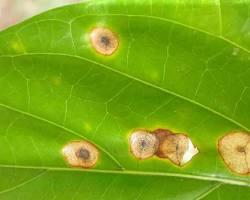
เช–เชพเชฐเซเช‚ เชชเชพเชฃเซ€ เชซเซ‚เช— เช…เชจเซ‡ เชฌเซ‡เช•เซเชŸเซ‡เชฐเชฟเชฏเชฒ เชฐเซ‹เช—เซ‹ เชฎเชพเชŸเซ‡ เชธเช‚เชตเชฐเซเชงเชจ เชญเซ‚เชฎเชฟ เชคเชฐเซ€เช•เซ‡ เช•เชพเชฐเซเชฏ เช•เชฐเซ‡ เช›เซ‡. เชตเชงเซ เชชเชกเชคเชพเช‚ เชฎเซ€เชจเชฐเชฒเซเชธเชจเซเช‚ เชชเซเชฐเชฎเชพเชฃ เช† เชฐเซ‹เช—เซ‹เชจเชพ เช‰เชฆเซเชญเชต เชฎเชพเชŸเซ‡ เชเช• เช†เชฆเชฐเซเชถ เชตเชพเชคเชพเชตเชฐเชฃ เชŠเชญเซเช‚ เช•เชฐเซ‡ เช›เซ‡, เชœเซ‡ เชชเชพเช‚เชฆเชกเชพเชฎเชพเช‚ เชซเซ‹เชฒเซเชฒเซ€เช“ เชคเซ‡เชฎเชœ เชชเซ€เชณเชพ เชกเชพเช˜, เชฎเซ‚เชณเชฎเชพเช‚ เชธเชกเซ‹ เช…เชจเซ‡ เช…เชจเซเชฏ เช›เซ‹เชกเชจเซ€ เชฌเชฟเชฎเชพเชฐเซ€เช“ เชคเชฐเชซ เชฆเซ‹เชฐเซ€ เชœเชพเชฏ เช›เซ‡.

Image of closeup shot of a leaf with visible fungal infections and brown spots

[เชฆเซƒเชถเซเชฏเชฎเชพเชจ เชซเช‚เช—เชฒ เชšเซ‡เชช เช…เชจเซ‡ เชญเซ‚เชฐเชพ เชซเซ‹เชฒเซเชฒเซ€เช“เชตเชพเชณเชพ เชชเชพเช‚เชฆเชกเชพเชจเซ‹ เช•เซเชฒเซ‹เชเช…เชช เชถเซ‹เชŸ]

เชชเชพเชฃเซ€เชจเซ‹ เช‰เชชเชฏเซ‹เช—: 

เช–เชพเชฐเชพ เชชเชพเชฃเซ€เชจเซ‹ เช…เชฐเซเชฅ เช เชจเชฅเซ€ เช•เซ‡ เชคเชฎเซ‡ เช“เช›เชพ เชชเชพเชฃเซ€เชจเซ‹ เช‰เชชเชฏเซ‹เช— เช•เชฐเซ€ เชฐเชนเซเชฏเชพ เช›เซ‹. เชตเชฟเชชเชฐเซ€เชค เชคเชฎเซ‡ เชชเชพเชฃเซ€เชจเซ‹ เช…เชคเชฟเชถเชฏ เชฌเช—เชพเชก เช•เชฐเซ€ เชฐเชนเซเชฏเชพ เช›เซ‹. เช† เชชเชพเชฃเซ€เชจเชพ เชจเชฌเชณเชพ เชถเซ‹เชทเชฃเชจเซ‡ เช•เชพเชฐเชฃเซ‡, เช–เชพเชฐเชพ เชชเชพเชฃเซ€เชจเซ‡ เชฎเซ‚เชณ เชธเซเชงเซ€ เชชเชนเซ‹เช‚เชšเชตเชพ เชฎเชพเชŸเซ‡ เชตเชงเซ เชคเซ‡เชฎเชœ เชตเชพเชฐเช‚เชตเชพเชฐ เชธเชฟเช‚เชšเชพเชˆเชจเซ€ เชœเชฐเซ‚เชฐ เชชเชกเซ‡ เช›เซ‡. เช†เชฅเซ€ เชชเชพเชฃเซ€เชจเซ‹ เชตเชชเชฐเชพเชถ เช…เชจเซ‡ เชตเซเชฏเชฏเชฎเชพเช‚ เชตเชงเชพเชฐเซ‹ เชฅเชพเชฏ เช›เซ‡.

เช•เซเชทเชพเชฐเชจเซ‹ เชœเชฎเชพเชต:

เชนเชพเชฐเซเชก เชตเซ‹เชŸเชฐ เชœเซเชฏเชพเช‚ เชชเชฃ เชตเชนเซ‡ เช›เซ‡ เชคเซเชฏเชพเช‚ เชคเซ‡เชจเซ€ เชชเชพเชคเชณเซ เชธเซเชคเชฐ เชชเชพเช›เชณ เช›เซ‹เชกเซ€ เชฆเซ‡ เช›เซ‡. เชคเชฎเชพเชฐเซ€ เชธเชฟเช‚เชšเชพเชˆ เชชเซเชฐเชฃเชพเชฒเซ€เชฎเชพเช‚, เช† เช–เชจเชฟเชœเซ‹เชจเซ‹ เชœเชฎเชพเชต เช•เชฐเซ‡ เช›เซ‡, เชœเซ‡เชจเซ‡ เชธเซเช•เซ‡เชฒ เชคเชฐเซ€เช•เซ‡ เชชเชฃ เช“เชณเช–เชตเชพเชฎเชพเช‚ เช†เชตเซ‡ เช›เซ‡. เช† เชœเชฎเชพเชต เชชเชพเชˆเชชเซ‹, เชจเซ‹เชเชฒ เช…เชจเซ‡ เชฎเชพเช‡เช•เซเชฐเซ‹ เช‡เชฐเชฟเช—เซ‡เชถเชจ เชชเชฐ เชฎเชพเช เซ€ เช…เชธเชฐ เช•เชฐเซ‡ เช›เซ‡. เชเชŸเชฒเซเช‚ เชœ เชจเชนเชฟ เช† เชฌเซเชฒเซ‰เช•เซ‡เชœ เชชเชพเชฃเซ€เชจเชพ เชชเซเชฐเชตเชพเชนเชจเซ‡ เชฌเช‚เชง เช…เชจเซ‡ เชชเซเชฐเชคเชฟเชฌเช‚เชงเชฟเชค เช•เชฐเซ€ เชถเช•เซ‡ เช›เซ‡, เชคเชฎเชพเชฐเซ€ เชธเชฟเชธเซเชŸเชฎเชจเซ€ เช•เชพเชฐเซเชฏเช•เซเชทเชฎเชคเชพเชจเซ‡ เช˜เชŸเชพเชกเซ€ เชถเช•เซ‡ เช›เซ‡ เช…เชจเซ‡ เชชเชพเชฃเซ€ เชตเชฟเชคเชฐเชฃเชจเซ€ เชเช•เชฐเซ‚เชชเชคเชพเชจเซ‡ เช…เชธเชฐ เช•เชฐเซ€ เชถเช•เซ‡ เช›เซ‡.

เชฎเชถเซ€เชจเชฐเซ€ เชœเชพเชณเชตเชฃเซ€: 

เชนเชพเชฐเซเชก เชตเซ‹เชŸเชฐ เชซเช•เซเชค เชคเชฎเชพเชฐเชพ เชชเชพเช• เชชเชฐ เชœ เชจเชนเซ€เช‚ เชชเชฐเช‚เชคเซ เชคเชฎเชพเชฐเชพ เชฎเซ‹เช‚เช˜เชพ เชธเชพเชงเชจเซ‹ เชชเชฐ เชชเชฃ เชชเชพเชฏเชฎเชพเชฒเซ€ เช•เชฐเซ‡ เช›เซ‡. เช–เชจเชฟเชœเซ‹เชจเซ‹ เชœเชฎเชพเชต เชชเช‚เชช, เชตเชพเชฒเซเชต เช…เชจเซ‡ เชธเซเชชเซเชฐเชฟเช‚เช•เชฒเชฐเชฎเชพเช‚ เชฅเชพเชฏ เช›เซ‡, เชœเซ‡เชจเชพเชฅเซ€ เชœเชพเชณเชตเชฃเซ€ เช–เชฐเซเชš เชตเชงเซ‡ เช…เชจเซ‡ เชœเซ€เชตเชจเช•เชพเชณ เช˜เชŸเซ‡ เช›เซ‡. เชธเชฎเชฏ เชœเชคเชพเช‚, เช–เชจเชฟเชœเซ‹เชจเซ‹ เชœเชฎเชพเชต เชธเชฎเช—เซเชฐ เชธเชฟเช‚เชšเชพเชˆ เชชเซเชฐเชฃเชพเชฒเซ€เชจเซ‡ เชจเซเช•เชธเชพเชจ เชชเชนเซ‹เช‚เชšเชพเชกเซ€ เชถเช•เซ‡ เช›เซ‡, เชœเซ‡เชฎเชพเช‚ เชฎเซ‹เช‚เช˜เชพ เชธเชฎเชพเชฐเช•เชพเชฎ เช…เชฅเชตเชพ เชคเซ‹ เชธเช‚เชชเซ‚เชฐเซเชฃ เชซเซ‡เชฐเชฌเชฆเชฒเชจเซ€ เชœเชฐเซ‚เชฐ เชชเชกเซ‡ เช›เซ‡. 

เช† เชคเซ‹ เช•เซƒเชทเชฟเชฎเชพเช‚ เช–เชพเชฐเชพ เชชเชพเชฃเซ€เชจเซ€ เช•เช เซ‹เชฐ เชตเชพเชธเซเชคเชตเชฟเช•เชคเชพเช“เชจเซ€ เชฎเชพเชคเซเชฐ เชเช• เชเชฒเช• เช›เซ‡. เชชเชฐเช‚เชคเซ เช† เชธเชฎเชธเซเชฏเชพเช“เชจเซ€ เชตเชšเซเชšเซ‡ เชชเชฃ เช†เชถเชพเชจเซ‡ เชธเซเชฅเชพเชจ เช›เซ‡.

เชธเซ‹เชซเซเชŸ เชตเซ‹เชŸเชฐเชจเชพ เช‰เช•เซ‡เชฒ 
เชœเชฎเซ€เชจเชฎเชพเช‚ เชญเซ‡เชœเชจเซเช‚ เชธเซเชคเชฐ:

เชจเชฐเชฎ เชชเชพเชฃเซ€, เชคเซ‡เชจเชพ เชถเซเชฐเซ‡เชทเซเช  เชถเซ‹เชทเชฃ เช…เชจเซ‡ เชธเชฎเชพเชจเชฐเซ‚เชชเซ‡ เชœเชฎเซ€เชจเชฎเชพเช‚ เชญเซ‡เชœเชจเชพ เชตเชฟเชคเชฐเชฃ เชฎเชพเชŸเซ‡ เชฒเชพเชญเชฆเชพเชฏเซ€ เช›เซ‡. เช† เชฐเซ€เชคเซ‡ เชœเชฎเซ€เชจ เช›เชฟเชฆเซเชฐเชพเชณเซ เช…เชจเซ‡ เชชเซ‹เชšเซ€ เชฌเชจเซ‡ เช›เซ‡ เช…เชจเซ‡ เชœเชฎเซ€เชจเชจเซ€ เชญเซ‡เชœเชงเชพเชฐเชฃเชถเช•เซเชคเชฟ เชตเชงเซ‡ เช›เซ‡. เชชเชฐเชฟเชฃเชพเชฎเซ‡ เชจเชฐเชฎ เชชเชพเชฃเซ€ เชคเชฎเชพเชฐเชพ เช›เซ‹เชก เชฎเชพเชŸเซ‡ เชนเชพเช‡เชกเซเชฐเซ‡เชŸเซ‡เชก เชธเซเชตเชฐเซเช— เชŠเชญเซเช‚ เช•เชฐเซ‡ เช›เซ‡; เชœเซ‡เชฅเซ€ เชฌเซ‡ เชธเซ€เช‚เชšเชœเช เชตเชšเซเชšเซ‡เชฃเซ‹ เช…เช‚เชคเชฐเชพเชณ เชตเชงเซ‡ เช›เซ‡. 

เชฎเชพเชŸเซ€เชจเซเช‚ เชฌเช‚เชงเชพเชฐเชฃ: 

เชจเชฐเชฎ เชชเชพเชฃเซ€, เชคเซ‡เชจเชพ เชธเซŒเชฎเซเชฏ เชธเซเชชเชฐเซเชถเชฅเซ€, เชฎเชพเชŸเซ€เชจเชพ เชขเซ‡เชซเชพเช‚เชจเซ‡ เชœเชฐเซเชœเชฐเชฟเชค เชฌเชจเชพเชตเซ€ เชคเซ‹เชกเซ‡ เช›เซ‡. เช† เชฐเซ€เชคเซ‡ เชœเชฎเซ€เชจเชจเซ‡ เชถเซเชตเชพเชธ เชฒเซ‡เชตเชพเชจเซ€ เช…เชจเซ‡ เช–เซ€เชฒเชตเชพเชจเซ€ เชฎเซ‹เช•เชณเชพเชถ เชฎเชณเซ‡ เช›เซ‡. เช…เช‚เชคเซ‡ เชœเชฎเซ€เชจเชจเซเช‚ เชงเซ‹เชตเชพเชฃ เชฅเชคเซเช‚ เช…เชŸเช•เซ‡ เช›เซ‡. 

เช›เซ‹เชกเชจเชพ เชฎเชœเชฌเซ‚เชค เชฎเซ‚เชณ:

เชฎเซ‚เชณ เชคเชฎเชพเชฐเชพ เช›เซ‹เชกเชจเชพ เชเชจเซเช•เชฐ เชคเชฐเซ€เช•เซ‡ เช•เชพเชฎ เช•เชฐเซ‡ เช›เซ‡. เชธเซ‹เชซเซเชŸ เชตเซ‹เชŸเชฐ, เชชเซ‹เชทเช• เชคเชคเซเชตเซ‹เชจเชพ เชถเซ‹เชทเชฃ เช…เชจเซ‡ เชฎเชพเชŸเซ€เชจเชพ เชธเซเชตเชพเชธเซเชฅเซเชฏเชจเซ‡ เชชเซเชฐเซ‹เชคเซเชธเชพเชนเชจ เชชเซ‚เชฐเซเช‚ เชชเชพเชกเซ‡ เช›เซ‡. เช† เชฎเชœเชฌเซ‚เชค, เชธเซเชฅเชฟเชคเชฟเชธเซเชฅเชพเชชเช• เชฎเซ‚เชณ เชคเช‚เชคเซเชฐ เช•เซ‹เชˆเชชเชฃ เชชเชกเช•เชพเชฐ เชธเชพเชฎเซ‡ เช…เชกเช— เชฐเชนเซ‡ เช›เซ‡.

เชธเชฟเช‚เชšเชพเชˆ เชชเซเชฐเชฃเชพเชฒเซ€เชฎเชพเช‚ เชธเซเชตเชšเซเช›เชคเชพ:

เชถเซเชฆเซเชงเชฟเช•เชฐเชฃเชจเซ€ เชœเซ‡เชฎ เชจเชฐเชฎ เชชเชพเชฃเซ€, เชœเซ€เชตเชจ เช†เชชเชจเชพเชฐ เชคเชฅเชพ เชชเชพเชฃเซ€เชจเชพ เชธเชฐเชณ เชชเซเชฐเชตเชพเชนเชจเซ‡ เชœเชพเชณเชตเซ€ เชฐเชพเช–เชจเชพเชฐ เชธเชพเชฌเชฟเชค เชฅเชฏเซเช‚ เช›เซ‡. เชจเชฐเชฎ เชชเชพเชฃเซ€ เชธเชฟเช‚เชšเชพเชˆเชจเซ‡ เช…เช‚เชฆเชฐเชฅเซ€ เชšเซ‹เช–เซเช–เซ€ เชฐเชพเช–เซ‡ เช›เซ‡. เช•เชฒเซเชชเชจเชพ เช•เชฐเซ‹ เช•เซ‡ เชคเชฎเชพเชฐเซ€ เชธเชฟเช‚เชšเชพเชˆ เชชเซเชฐเชฃเชพเชฒเซ€ เชฆเซ‹เชทเชฐเชนเชฟเชค เชฐเซ€เชคเซ‡ เช•เชพเชฐเซเชฏ เช•เชฐเซ€ เชฐเชนเซ€ เช›เซ‡, เช…เชจเซ‡  เชฆเชฐเซ‡เช• เชคเชฐเชธเซเชฏเชพ เช›เซ‹เชกเชจเซ‡ เชธเชฎเชพเชจ เชคเชฅเชพ เช•เชพเชฐเซเชฏเช•เซเชทเชฎ เชฐเซ€เชคเซ‡ เช•เชฟเช‚เชฎเชคเซ€ เชชเชพเชฃเซ€ เชชเชนเซ‹เช‚เชšเชพเชกเซ‡ เช›เซ‡.

เชนเชฐเชฟเชฏเชพเชณเซเช‚ เชตเชพเชตเซ‡เชคเชฐ:

เชจเชฐเชฎ เชชเชพเชฃเซ€, เชคเซ‡เชจเชพ เชธเซŒเชฎเซเชฏ เชธเซเชชเชฐเซเชถเชฅเซ€ เช›เซ‹เชกเชจเชพ เชชเชพเช‚เชฆเชกเชพ เชชเซ€เชณเชพ เชชเชกเชคเชพเช‚ เช…เชŸเช•เชพเชตเซ‡ เช›เซ‡ เช…เชจเซ‡ เช›เซ‹เชกเชจเซ‡ เชจเชตเซเช‚ เชœเซ€เชตเชจเชฆเชพเชจ เช†เชชเซ‡ เช›เซ‡. เชคเชฎเชพเชฐเชพ เช–เซ‡เชคเชฐเชฎเชพเช‚ เชจเซ€เชฒเชฎเชฃเชฟ เช˜เชพเชธเชจเชพ เชฎเซ‡เชฆเชพเชจเซ‹, เชธเชฎเซƒเชฆเซเชง เช–เซ‡เชคเชฐเซ‹ เช…เชจเซ‡ เชฒเซ€เชฒเชพเช›เชฎ เชชเชพเช•เชจเซเช‚ เชšเชฟเชคเซเชฐเชฃ เชŠเชญเซเช‚ เช•เชฐเซ‡ เช›เซ‡.

เชฎเชพเช‡เช•เซเชฐเซ‹ เช‡เชฐเชฟเช—เซ‡เชถเชจเชจเซ€ เช•เชพเชฐเซเชฏเช•เซเชทเชฎเชคเชพ เช…เชจเซ‡ เช†เชฏเซเชทเซเชฏ:

เชธเซ‹เชซเซเชŸ เชตเซ‹เชŸเชฐ เช•เซเชทเชพเชฐ เชœเชฎเชพเชต เช…เชจเซ‡ เชฒเชพเช—เชคเชพ เช•เชพเชŸเชจเซ‡ เช…เชŸเช•เชพเชตเซ€เชจเซ‡, เชธเชฟเช‚เชšเชพเช‡เชคเช‚เชคเซเชฐเชจเซ€ เช•เชพเชฐเซเชฏเช•เซเชทเชฎเชคเชพเชจเซ‡ เชฎเชนเชคเซเชคเชฎ เช•เชฐเซ‡ เช›เซ‡ เช…เชจเซ‡ เชคเชฎเชพเชฐเชพ เชฎเซ‚เชฒเซเชฏเชตเชพเชจ เชธเชพเชงเชจเซ‹เชจเชพ เชœเซ€เชตเชจเช•เชพเชณเชจเซ‡ เชฒเช‚เชฌเชพเชตเซ‡ เช›เซ‡.

เช† เชซเช•เซเชค เชคเชฎเชพเชฐเชพ เช–เซ‡เชคเชฐเชฎเชพเช‚ เชจเชฐเชฎ เชชเชพเชฃเซ€เชจเซ€ เช…เชœเชพเชฏเชฌเซ€เช“เชจเซ€ เชเช• เชเชฒเช• เช›เซ‡. เชฏเชพเชฆ เชฐเชพเช–เซ‹, เช–เชพเชฐเซเช‚ เชชเชพเชฃเซ€ เช เชคเชฎเชพเชฐเซเช‚ เชญเชพเช—เซเชฏ เชจเชฅเซ€;เช เชเช• เชชเชกเช•เชพเชฐ เช›เซ‡!

เช‡-เชธเซ‹เชซเซเชŸ เชตเซ‹เชŸเชฐ เชธเซ‹เชซเซเชŸเชจเชฐ: เชชเชพเช•เชจเซ‹ เชฐเช•เซเชทเช•ย 
เช“เช›เชพ เช–เชจเชฟเชœเชจเซเช‚ เชคเซ‡เชฎเชœ เช•เซเชทเชพเชฐเชจเซเช‚ เชจเชฟเชฐเซเชฎเชพเชฃ:

เช‡-เชธเซ‹เชซเซเชŸ เชตเซ‹เชŸเชฐ เชธเซ‹เชซเซเชŸเชจเชฐ เชฐเชฃเชญเซ‚เชฎเชฟเชฎเชพเช‚ เชšเชฎเช•เชคเชพ เช˜เซ‹เชกเชพเชจเซ€ เชœเซ‡เชฎ เช•เชพเชฎ เช•เชฐเซ‡ เช›เซ‡. เชฎเชฟเชจเชฐเชฒ เชœเชฎเชพเชตเชจเชพ เชคเซเชฐเชพเชธ เชชเชฐ เชตเชฟเชœเชฏ เชฎเซ‡เชณเชตเซ‡ เช›เซ‡. เช† เชตเซ‰เชŸเชฐ เชธเซ‹เชซเซเชŸเชจเชฐ เช•เชšเชฐเซ‹ เชญเชฐเชพเชฏเซ‡เชฒเซ€ เชธเชฟเช‚เชšเชพเชˆ เชชเซเชฐเชฃเชพเชฒเซ€เช“เชจเซ‡ เชตเชฟเชฆเชพเชฏ เช†เชชเซ€, เชธเชฐเชณ เช…เชจเซ‡ เช•เชพเชฐเซเชฏเช•เซเชทเชฎ เชชเชพเชฃเซ€เชจเชพ เชชเซเชฐเชตเชพเชนเชจเซ‡ เช†เชตเช•เชพเชฐเซ‡ เช›เซ‡ เชœเซ‡ เชคเชฎเชพเชฐเซ€ เชœเชฎเซ€เชจเชจเชพ เชฆเชฐเซ‡เช• เช–เซ‚เชฃเชพเชจเซ‡ เชธเชฎเชพเชจ เชชเซ‹เชทเช•เชคเชคเซเชตเซ‹ เชชเซ‚เชฐเชพ เชชเชพเชกเซ‡ เช›เซ‡.

เชธเซเชงเชพเชฐเซ‡เชฒ เชชเซ‹เชทเช• เชคเชคเซเชคเซเชตเซ‹เชจเซ‹ เช‰เชชเชฆเซเชฐเชต:ย 

เช‡-เชธเซ‹เชซเซเชŸ เชตเซ‹เชŸเชฐ เชธเซ‹เชซเซเชŸเชจเชฐ เชคเชฎเชพเชฐเชพ เชชเชพเช• เชฎเชพเชŸเซ‡ เชชเซ‹เชทเช• เชคเชคเซเชตเซ‹เชจเชพ เชฆเชฐเชตเชพเชœเชพ เช–เซเชฒเซเชฒเชพ เชฎเซ‚เช•เซ‡ เช›เซ‡. เช–เชจเชฟเชœ เช…เชตเชฐเซ‹เชงเซ‹เชจเซ‡ เชฆเซ‚เชฐ เช•เชฐเซ€เชจเซ‡, เชคเซ‡ เช–เชพเชคเชฐเซ€ เช•เชฐเซ‡ เช›เซ‡ เช•เซ‡ เช†เชตเชถเซเชฏเช• เชชเซ‹เชทเช• เชคเชคเซเชคเซเชตเซ‹ เชคเซ‡เชฎเชจเชพ เชฎเซ‚เชณ เชธเซเชงเซ€ เชชเชนเซ‹เช‚เชšเซ‡. เช† เชฐเซ€เชคเซ‡ เชŠเชชเชœเชจเซ‡ เช†เชคเซเชฏเช‚เชคเชฟเช• เชตเซƒเชฆเซเชงเชฟ เช…เชจเซ‡ เชธเซเชตเชพเชธเซเชฅเซเชฏ เชชเซเชฐเชพเชชเซเชค เชฅเชพเชฏ เช›เซ‡.

เช–เชพเชฐเชพเชถ เช…เชจเซ‡ เช›เซ‹เชกเชจเชพ เชจเซเช•เชธเชพเชจเชฎเชพเช‚ เช˜เชŸเชพเชกเซ‹:ย 

เชนเชพเชฐเซเชก เชตเซ‰เชŸเชฐเชจเชพ เช–เชพเชฐเชพ เช•เซ‹เชช เชธเชพเชฎเซ‡ เช‡-เชธเซ‹เชซเซเชŸ เชธเซเชฐเช•เซเชทเชพเช•เชตเชš เช›เซ‡. เชคเซ‡ เช•เซเชทเชพเชฐเซ€เชฏ เชธเซเชคเชฐเชจเซ‡ เช•เชพเชฌเซ‚เชฎเชพเช‚ เชฐเชพเช–เซ‡ เช›เซ‡ เช…เชจเซ‡ เชคเชฎเชพเชฐเชพ เช›เซ‹เชกเชจเซ‡ เชจเชฟเชฐเซเชœเชฒเซ€เช•เชฐเชฃ เช…เชจเซ‡ เชจเซเช•เชธเชพเชจเชฅเซ€ เชฌเชšเชพเชตเซ‡ เช›เซ‡. เชˆ-เชธเซ‹เชซเซเชŸ เช–เชพเชคเชฐเซ€ เช•เชฐเซ‡ เช›เซ‡ เช•เซ‡ เชคเชฎเชพเชฐเชพ เช–เซ‡เชคเชฐเซ‹ เชซเช•เซเชค เชœเซ€เชตเชจ เชธเชพเชฅเซ‡ เชœ เชจเชนเซ€เช‚, เชชเชฐเช‚เชคเซ เช—เซเชฃเชตเชคเซเชคเชพ เชธเชพเชฅเซ‡ เช–เซ€เชฒเซ‡!

phเชฎเชพเช‚ เช‰เชคเชพเชฐ-เชšเชขเชพเชต:ย 

เช‡-เชธเซ‹เชซเซเชŸ เชธเซเชฅเชฟเชฐ ph เชธเช‚เชคเซเชฒเชจ เชœเชพเชณเชตเซ‡ เช›เซ‡. เช† เชจเชพเชœเซเช• เชธเช‚เชคเซเชฒเชจ เชคเชฎเชพเชฐเซ€ เชฎเชพเชŸเซ€เชจเซ‡ เชซเชณเชฆเซเชฐเซเชช เช…เชจเซ‡ เชคเช‚เชฆเซเชฐเชธเซเชค เชฐเชพเช–เซ‡ เช›เซ‡. เชนเชตเซ‡ เช•เซ‹เชˆ เช…เชจเชฟเชฏเชฎเชฟเชค ph เชจเชฅเซ€ เชœเซ‡ เชคเชฎเชพเชฐเชพ เชชเชพเช• เชชเชฐ เชญเชพเชฐ เชฎเซ‚เช•เซ€ เชถเช•เซ‡. 

เช‰เชจเซเชจเชค เชชเชพเช•เชจเซ€ เช—เซเชฃเชตเชคเซเชคเชพ:ย 

เช‡-เชธเซ‹เชซเซเชŸ เชตเซ‹เชŸเชฐ เชธเซ‹เชซเซเชŸเชจเชฐ เชธเชพเชฅเซ‡, เชคเชฎเชพเชฐเซ€ เช–เซ‡เชคเซ€ เชชเชฐเชฟเชตเชฐเซเชคเชจเชฎเชพเช‚เชฅเซ€ เชชเชธเชพเชฐ เชฅเชพเชฏ เช›เซ‡. เชฌเซ€เชœ เชฐเซ‹เชชเชฃเชฅเซ€ เชฎเชพเช‚เชกเซ€เชจเซ‡ เชฒเชฃเชฃเซ€ เชธเซเชงเซ€ เชชเชพเช• เชฎเชพเชŸเซ‡ เชœเชฐเซ‚เชฐเซ€ เชชเซ‹เชทเช•เชคเชคเซเชตเซ‹ เชชเซ‚เชฐเชพ เชชเชพเชกเซ‡ เช›เซ‡. เชซเชณเซ‹ เช…เชจเซ‡ เชถเชพเช•เชญเชพเชœเซ€ เชคเซ‡เชฎเชจเซ€ เชธเช‚เชชเซ‚เชฐเซเชฃ เช•เซเชทเชฎเชคเชพเซ‡ เช–เซ€เชฒเซ‡ เช›เซ‡; เชœเซ‡เชฅเซ€ เชคเชฎเชพเชฐเชพ เช—เซเชฐเชพเชนเช•เซ‹เชจเซ‡ย  เชธเซเชตเชพเชฆ เช…เชจเซ‡ เชธเซเชตเชพเชธเซเชฅเซเชฏ เชฌเช‚เชจเซ‡ เชฎเชณเซ€ เชฐเชนเซ‡.ย 

เช–เชพเชคเชฐ เชชเชฐ เชฌเชšเชค:ย 

เช‡-เชธเซ‹เชซเซเชŸ เชตเซ‹เชŸเชฐ เชธเซ‹เชซเซเชŸเชจเชฐ เชซเช•เซเชค เชคเชฎเชพเชฐเชพ เชชเชพเช•เชจเซ‡ เชชเซ‹เชทเชฃ เช†เชชเชคเซเช‚ เชจเชฅเซ€; เชคเซ‡ เชคเชฎเชพเชฐเซ€ เชธเชฎเซƒเชงเซเชงเชฟเชจเซ‡ เชชเชฃ เชชเซ‹เชทเชฃ เช†เชชเซ‡ เช›เซ‡. เชชเซ‹เชทเช• เชคเชคเซเชคเซเชตเซ‹เชจเซ‹ เชตเชชเชฐเชพเชถ เชตเชงเชพเชฐเซ€เชจเซ‡ เช…เชจเซ‡ เชฎเชพเชŸเซ€เชจเชพ เชธเซเชตเชพเชธเซเชฅเซเชฏเชจเซ‡ เชธเซเชงเชพเชฐเซ€เชจเซ‡, เชคเซ‡ เชฎเซ‹เช‚เช˜เชพ เช–เชพเชคเชฐเซ‹ เชคเซ‡เชฎเชœ เชœเช‚เชคเซเชจเชพเชถเช•เซ‹เชจเซ€ เชœเชฐเซ‚เชฐเชฟเชฏเชพเชค เช˜เชŸเชพเชกเซ‡ เช›เซ‡. เชˆ-เชธเซ‹เชซเซเชŸ เช‰เชฎเชฆเชพ เชจเชซเชพ เชธเชพเชฅเซ‡ เชคเชฎเชพเชฐเซ€ เช–เซ‡เชคเซ€เชจเซเช‚ เชญเชตเชฟเชทเซเชฏ เชฐเชšเซ‡ เช›เซ‡.ย 

เชธเชพเชฐเชพเช‚เชถ

เช‡-เชธเซ‹เชซเซเชŸ เชตเซ‹เชŸเชฐ เชธเซ‹เชซเซเชŸเชจเชฐ: เชธเซ‹เชซเซเชŸ เชตเซ‹เชŸเชฐ เชšเซ‡เชฎเซเชชเชฟเชฏเชจ, เชนเชพเชฐเซเชก เชตเซ‹เชŸเชฐ เชธเชพเชฎเซ‡ เชฒเชกเชตเชพ เชฎเชพเชŸเซ‡ เชคเซˆเชฏเชพเชฐ เช›เซ‡. เช† เชเช• เชถเชธเซเชคเซเชฐ เช›เซ‡ เชœเซ‡ เชคเชฎเชจเซ‡ เช–เชพเชฐเชพ เชชเชพเชฃเซ€ เชชเชฐ เชตเชฟเชœเชฏ เชฎเซ‡เชณเชตเชตเชพ เช…เชจเซ‡ เชคเชฎเชพเชฐเซ€ เชœเชฎเซ€เชจเชจเซ€ เช‰เชคเซเชชเชพเชฆเชจ เช•เซเชทเชฎเชคเชพเชจเซ‡ เชตเชงเชพเชฐเซ‡ เช›เซ‡. เชกเซ€เชœเซ€เช—เซ‹ เชตเซ‡เชฌเชธเชพเช‡เชŸเชจเซ€ เชฎเซเชฒเชพเช•เชพเชค เชฒเซ‹ https://digigostore.com เช…เชจเซ‡ เชœเชพเชฃเซ‹ เช•เซ‡ เชเช• เชจเชฟเชฐเซเชฃเชฏ เชคเชฎเชพเชฐเชพ เช–เซ‡เชคเชฐเชจเซ‡ เช•เชพเชฏเชฎ เชฎเชพเชŸเซ‡ เช•เซ‡เชตเซ€ เชฐเซ€เชคเซ‡ เชฌเชฆเชฒเซ€ เชถเช•เซ‡ เช›เซ‡.เช†เชœเซ‡ เชœ เชˆ-เชธเซ‹เชซเซเชŸ เชตเซ‹เชŸเชฐ เชธเซ‹เชซเซเชŸเชจเชฐ เช…เชชเชจเชพเชตเซ‹ เช…เชจเซ‡ เชคเชฎเชพเชฐเชพ เช–เซ‡เชคเชฐเชจเซ‹ เชธเชฎเซƒเชงเซเชง เช‡เชคเชฟเชนเชพเชธ เชฒเช–เซ‹.ย 

เชฏเชพเชฆ เชฐเชพเช–เซ‹, เชธเชฎเซƒเชฆเซเชง เชญเชตเชฟเชทเซเชฏเชจเชพ เชฌเซ€เชœ เชชเชนเซ‡เชฒเซ‡เชฅเซ€ เชœ เชตเชพเชตเชตเชพเชฎเชพเช‚ เช†เชตเซเชฏเชพ เช›เซ‡. เชคเซ‡เชฎเชจเซ‡ เช–เซ‡เชคเชฐเชฎเชพเช‚ เชฒเชนเซ‡เชฐเชพเชคเชพ เชœเซ‹เชตเชพ เชฎเชพเชŸเซ‡ เชคเชฎเชพเชฐเซ‡ เชซเช•เซเชค เชฏเซ‹เช—เซเชฏ เชชเชพเชฃเซ€เชจเซ€ เชœเชฐเซ‚เชฐ เช›เซ‡.

Various Generation of Water Softener.

The Evolution of Water Softeners: Why Digigo Water Softeners Leads the Way!

Ever wish your dishes sparkled, your hair flowed like waterfalls, and your appliances didn’t throw tantrums? Hard water, that pesky villain in Indian homes, throws limescale parties on your pipes, leaving you scrubbing and sighing. But guess what? There’s a water softener hero on the horizon, ready to banish hard water blues without harsh chemicals or endless maintenance!

Welcome to the exciting world of water-softening technology, a landscape constantly evolving to tackle this age-old problem. Today, we’ll delve into the various generations of water softener systems, culminating in Digigo’s revolutionary E-Soft technology โ€“ a game-changer poised to redefine soft water solutions.

Various Generations of Water Softeners systems

1st Generation: The Classics โ€“ Salt Softeners

These time-tested warriors have served us well for years. In the first generation salt based water softeners get calcium and magnesium from salt and combine them with chloride and added to excess water to form sodium water. This technologyโ€™s effective score is around 70% on our efficiency scale due to waste generation and maintenance needs.

2nd Generation: The Refinement โ€“ Ion Exchangers

Building on the foundation of salt softeners, ion exchangers use alternative resins to remove hard minerals. While offering similar efficiency (70%), they address the sodium concern to some extent. However, these systems still require regular regeneration and maintenance, making them a practical, but not revolutionary, solution.

3rd Generation: Magnet Technology

These methods fall under the “neutralization” category, aiming to alter the properties of hard minerals without removal. Magnets, shrouded in scientific uncertainty, claim to change the mineral structure, but their effectiveness is largely disputed. But 3rd generation hard water filter offers only 20% efficiency.

This technology gets soft water without waste and without maintenance. It is and eco-friendly technology. This technology uses magnetic waves of north-pole and neutralizes the minerals available in the water. But due to high concentration the efficiency of this technology was not enough to neutralize hard minerals.

4th Generation: Conditioners

Efficiency of the 3rd generation was too less therefore to tackle this; the 4th generation came into action which is conditioners. The limitation of magnetic frequency was fulfilled by computers. By generating pulses by computers, it achieved the frequency to neutralize the hard minerals. It was basically invented by Germans. Conditioners, meanwhile, attempt to coat minerals, preventing them from sticking, but their long-term effectiveness and potential environmental impact raise concerns. The efficiency of the 4th generation water softener is 50%.

5th Generation: Electro Hydro Enhancer (E-Soft)

The conditioner technology could not survive in the India. Digigo is the only company which studied the technical drawbacks of 4th generation. This is where Digigo shines. Digigo cracked the design and technical code by doing research and development of this technology that can perfectly match the Indian hard water condition. Digigo made Electro Hydro Enhancer- E-Soft which is MADE IN INDIA. Because Our E-Soft water softener system ushers in a new era of soft water solutions. Forget harsh chemicals, wasteful membranes, and questionable techniques. E-Soft employs a breakthrough low-frequency electronic pulse technology to neutralize the charge of hard minerals within the water itself.

Here’s how Digigo E-Soft works:

โ—ย  E-Soft transmits low-frequency electronic pulse through the water.

โ—  E-Soft transmits low-frequency electronic pulse through the water.

โ—  These waves interact with hard mineral particles, altering their electrical charge.

โ—ย  The neutralized minerals lose their tendency to stick and form scale, rendering them harmlessly suspended in the water.

โ— No minerals are removed, no chemicals are added, just pure, soft water flowing freely.

This revolutionary approach boasts unparalleled benefits:

โ—  Unmatched Efficiency of 100%: E-Soft utilizes minimal energy, with no water waste or regeneration requirements.

โ—  Eco-Friendly: No harsh chemicals or brine discharge, making it a sustainable choice.

โ—ย Low Maintenance: E-Soft requires minimal upkeep, saving you time and money.

โ— Safe for All Appliances: Unlike salt softeners that can harm specific appliances, E-Soft is gentle on everything it touches.

So, what does this mean for you?

If you’re tired of hard water problems, Digigo’s E-Soft water softener offers a transformative solution. Experience the joy of sparkling dishes, shiny hair, and effortlessly clean appliances. Enjoy peace of mind knowing you’re making a sustainable choice for your home and the environment.

Ready to say goodbye to hard water woes?

Visit our website to learn more about Digigo’s E-Soft water softening technology and find the perfect solution for your home. We offer a variety of hard water softeners for home, whole house water filters, and water softener options to suit your specific needs and budget.

Invest in your future, invest in soft water, invest in Digigo’s E-Soft.

  • Effectiveness of each method is indicated on a scale of 100% (most effective) to 20% (least effective):
  • Salt softeners and RO (1st generation) – 70%
  • Ion exchangers (2nd generation) – 70%
  • Magnets (3rd generation) – 20%
  • Conditioners (4th generation) – 50%
  • E-Soft (5th generation) – 100%